
Understanding Burping: Causes, Concerns, and Cancer Links
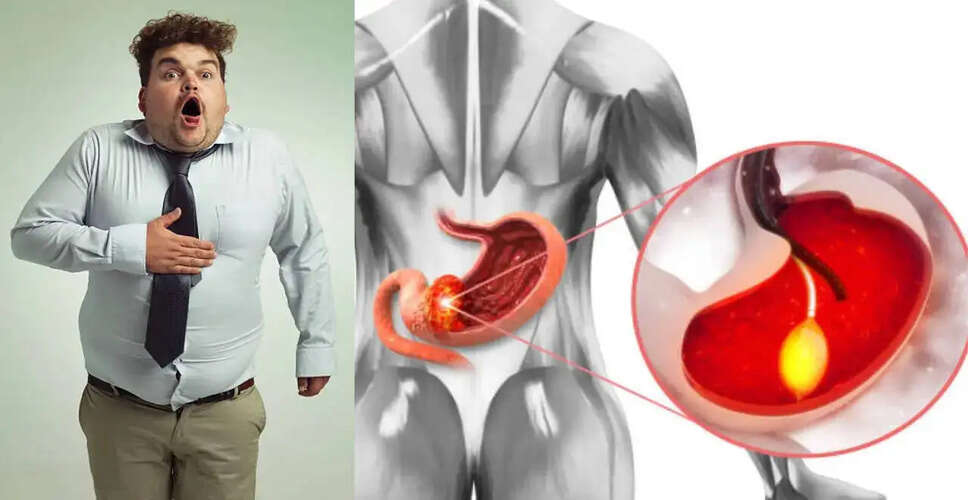
What is Burping?
Burping is a natural bodily function that everyone experiences. While it is usually harmless, as it simply involves the release of swallowed air after eating or drinking, frequent burping can lead to discomfort and concern. Many individuals may wonder if it could indicate a serious condition like cancer. Medical professionals often attribute excessive burping to issues such as gastritis or acid reflux, rather than gastrointestinal cancers, particularly when accompanied by symptoms like pain and swelling.
Why Do We Burp?
Understanding the Mechanism
Burping, also referred to as belching, occurs when excess air accumulates in the stomach and is expelled through the mouth. Common triggers include:
- Eating too quickly
- Consuming carbonated beverages
- Chewing gum frequently
- Experiencing acid reflux
- Having gastritis
- Dealing with indigestion
Most often, excessive burping is linked to digestive problems and is not considered life-threatening.
Is Excessive Burping a Cancer Indicator?
Medical Insights
According to health experts, persistent burping can, in rare instances, be associated with certain gastrointestinal cancers, including stomach, esophageal, or pancreatic cancer. However, it is crucial to note that burping alone is seldom a cancer symptom. Concern arises primarily when it is accompanied by other alarming signs, such as:
- Chronic bloating
- Unexplained weight loss
- Difficulty in swallowing
- Loss of appetite
- Vomiting blood
- Dark or tarry stools
- Persistent abdominal pain
- Feeling full after small meals
- Nausea
- Swelling or fluid accumulation in the abdomen
Burping and Stomach Cancer Connection
Understanding the Link
In advanced stages, stomach cancer can disrupt normal digestion. Tumors may obstruct food passage or cause inflammation, resulting in gas buildup and increased belching. Similarly, esophageal cancer can affect swallowing and create a sensation of pressure, leading to frequent burping. However, these cancers are significantly less common than everyday digestive issues like acid reflux or irritable bowel syndrome (IBS).
Diagnosing Cancer Related to Burping
When to Seek Medical Advice
If you notice excessive burping along with other concerning symptoms or risk factors for over a month, it is advisable to consult a healthcare professional. They may recommend various tests to rule out cancer, including:
Endoscopy
This procedure involves inserting an endoscope through the throat to examine the stomach and, if necessary, take biopsies.
CT Scan
This imaging technique provides detailed pictures of soft tissues in the body, helping to identify cancer or other abnormalities in the stomach.
Barium Swallow Study
This X-ray procedure checks for digestive tract abnormalities after the patient consumes a barium solution, which highlights specific areas during the scan.
Preventing Excessive Burping
Tips for Relief
If frequent burping is causing discomfort or embarrassment, there are several strategies to help minimize it:
- Eat slowly to avoid swallowing air.
- Limit chewing gum and hard candies.
- Ensure dentures fit properly if applicable.
- Avoid smoking.
- Steer clear of carbonated drinks and beer.
- Take a short walk after meals.
- Maintain a food diary to track what you eat and any gas symptoms.
- Consider over-the-counter products that alleviate intestinal gas.