
Understanding Breast Cancer: Importance of Early Detection and Awareness
Carrie Anne Fleming's Legacy and Breast Cancer Awareness
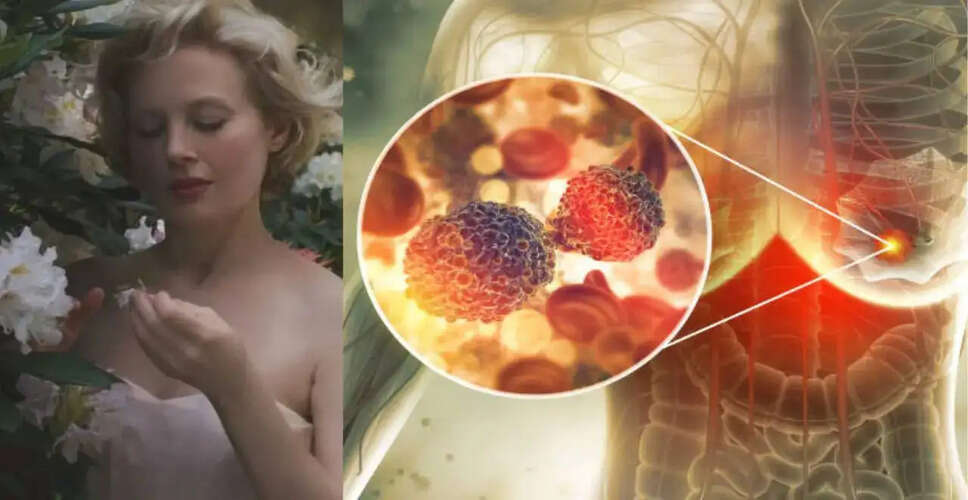
Actress Carrie Anne Fleming, recognized for her performances in shows like Supernatural and iZombie, passed away at the age of 51 due to complications related to breast cancer. Her representative confirmed that she passed away peacefully surrounded by her loved ones. Reports indicate that Carrie was diagnosed with the disease last year and was undergoing treatment. While her death is a profound loss, it highlights the critical need for awareness regarding early warning signs that can potentially save lives. This tragic event has reignited discussions about breast cancer awareness, emphasizing the increasing number of diagnoses among women globally.
What is Breast Cancer?
What is Breast Cancer?
Breast cancer arises when abnormal cells in the breast begin to grow uncontrollably, leading to the formation of a tumor. It ranks among the most prevalent cancers affecting women worldwide, although men can also be diagnosed. Early detection plays a vital role in improving survival rates, making it essential to be aware of the symptoms. According to the Cleveland Clinic, breast cancer predominantly affects women aged 50 and above, but younger women can also be at risk. A significant complication associated with breast cancer is metastatic breast cancer, where the disease spreads to other parts of the body, including the brain, bones, liver, and lungs. Research indicates that approximately one in three women with early-stage cancer may later develop metastatic breast cancer.
Recognizing Early Signs of Breast Cancer
Early Signs of Breast Cancer You Must Not Ignore
Many early symptoms of breast cancer can be subtle and painless, often leading to them being overlooked. Key signs to monitor include:
- A new lump or thickening in the breast or underarm
- Changes in breast size or shape
- Skin dimpling or puckering, resembling orange peel
- Redness or flaky skin around the nipple area
- Nipple discharge other than breast milk
- Sudden nipple inversion or pain
While not all lumps are cancerous, any unusual changes should prompt a visit to a healthcare professional.
The Importance of Early Detection
Why is Early Detection Important?
Experts emphasize that early detection of breast cancer leads to more effective and less invasive treatment options. Early-stage cancers have higher survival rates, and the likelihood of recovery improves significantly. Regular screenings, such as mammograms and self-examinations, are crucial for identifying abnormalities before they escalate. Additionally, certain factors can elevate the risk of developing breast cancer, including:
- Family history of breast or ovarian cancer
- Increasing age
- Hormonal factors
- Obesity and a sedentary lifestyle
- Alcohol consumption
However, it is essential to recognize that breast cancer can occur even in the absence of identifiable risk factors.
Treatment Options for Breast Cancer
How is Breast Cancer Treated?
Surgery remains the primary treatment for breast cancer, but healthcare providers may also employ various other treatment modalities. Surgical options include mastectomy, lumpectomy, and breast reconstruction. In many cases, surgery is combined with one or more of the following treatments:
- Chemotherapy
- Radiation therapy, including intraoperative radiation therapy
- Immunotherapy
- Hormone therapy
- Targeted therapy
Protective Measures Against Breast Cancer
Ways to Protect Yourself
Awareness and proactive health management are essential. While not all cases of breast cancer can be prevented, adopting healthy lifestyle habits can significantly reduce your risk:
- Conduct monthly breast self-exams
- Schedule regular clinical screenings
- Maintain a healthy weight and balanced diet
- Engage in regular physical activity
- Limit alcohol consumption