
Understanding Blood Donation: Myths and Facts About Weakness

The Truth About Blood Donation and Weakness
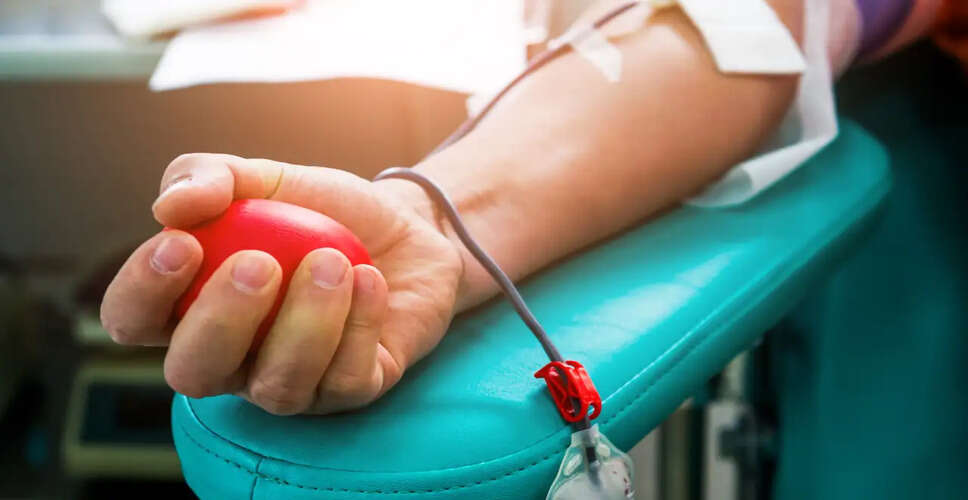
Many individuals hesitate to donate blood due to concerns about feeling weak afterward. This worry is prevalent among potential donors, but experts assure that blood donation does not lead to long-term weakness.
Insights from Medical Professionals
According to Dr. Anand Deshpande, a Consultant in Transfusion Medicine at P. D. Hinduja Hospital and Medical Research Centre, the act of donating blood itself does not induce weakness. Any feelings of light-headedness or fatigue experienced post-donation are typically temporary and resolve quickly. Understanding the physiological changes that occur during blood donation can help dispel common myths.
When blood is donated, the body loses fluids, red blood cells, and iron. Fortunately, the body is adept at replenishing these components. The first to recover is the fluid volume, which can be restored within 24 to 48 hours with adequate hydration. Dr. Deshpande emphasizes the importance of drinking plenty of fluids before and after donating blood to mitigate any temporary dizziness that may arise from fluid loss.
Red blood cells, which are crucial for oxygen transport, take longer to regenerate, typically around four to six weeks. Iron levels, on the other hand, may take up to 12 weeks to return to normal.
Importance of Waiting Between Donations
This gradual recovery is why blood donation centers recommend a waiting period of three to four months between donations. This interval allows the body sufficient time to restore its iron levels and blood components. Most healthy adults can resume their normal activities shortly after donating, but certain precautions should be taken. Dr. Deshpande advises staying well-hydrated, consuming nutritious meals, and getting adequate rest.
While everyday activities are generally safe, it is advisable to avoid strenuous exercise immediately following donation. Engaging in heavy workouts or lifting weights can put undue stress on the body as it adjusts to the temporary decrease in blood volume. Dr. Deshpande cautions against heavy lifting or intense physical exertion right after donating.
Another common misconception is that anyone can donate blood without prior checks. In reality, potential donors undergo several assessments, including tests for hemoglobin levels, blood pressure, and pulse, along with a comprehensive medical questionnaire.
Healthcare professionals evaluate a donor's overall health and medical history to ensure that the donation process is safe for both the donor and the recipient. In conclusion, donating blood does not cause lasting weakness in healthy individuals. Any mild fatigue or dizziness is usually short-lived and can be managed with proper hydration, nutrition, and rest. Moreover, a single donation can save multiple lives, making it a simple yet impactful way to contribute to the community.
Expert Insights By: Dr. Anand Deshpande, Consultant, Transfusion Medicine, P. D. Hinduja Hospital And Medical Research Centre, Mahim.