
Understanding Autism Spectrum Disorder: Myths, Signs, and Importance of Early Intervention
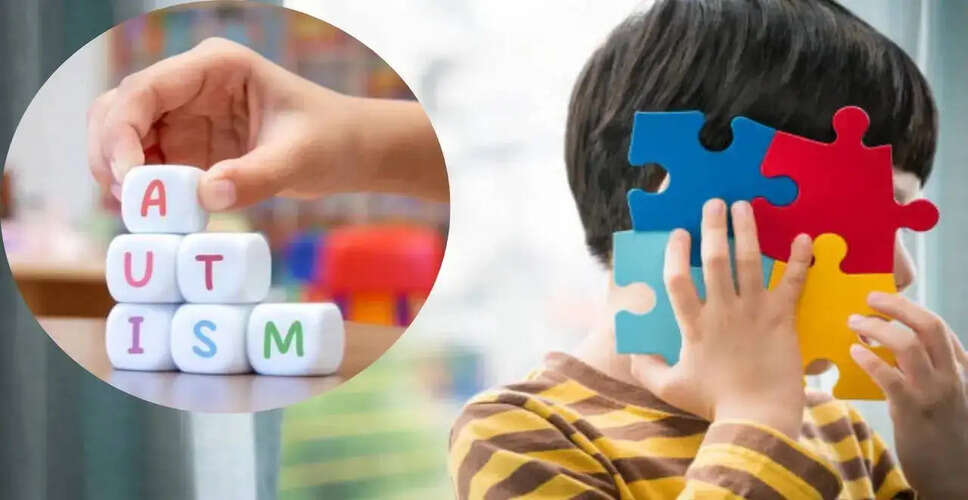
Introduction to Autism Spectrum Disorder
Autism Spectrum Disorder (ASD) is a widely discussed yet often misunderstood neurodevelopmental condition. It impacts communication, behavior, and social interactions, and is referred to as a spectrum due to its varied manifestations in individuals. In India, it is estimated that approximately 1 in 68 children are affected, highlighting the critical need for awareness and early understanding. Dr. Viraj Sanghi, a Senior Consultant in Pediatric Neurology at Narayana Health SRCC Children’s Hospital, explains that core characteristics typically include variations in language development, social communication, repetitive behaviors, and differences in sensory processing. Despite its commonality, autism is frequently misinterpreted, which can have significant repercussions for individuals and their families.
Defining Autism Spectrum Disorder
What is Autism Spectrum Disorder?
ASD is a lifelong condition that shapes how individuals perceive the world around them. While some children may require substantial support in their daily lives, others may achieve independence as they grow. Common traits include challenges in language development, social communication, repetitive behaviors, and distinct sensory responses. Unfortunately, persistent myths surrounding autism contribute to confusion, stigma, and delays in diagnosis.
Debunking Myths About Autism
Common Myths Related to Autism
Myth 1: Vaccines cause autism
There is no scientific basis for linking vaccines to autism. This misconception has been consistently disproven by extensive research. Dr. Sanghi emphasizes that the real danger lies in postponing vaccinations, as immunization is safe and effective.
Myth 2: Autism is a result of poor parenting
This damaging belief, once associated with the discredited notion of 'refrigerator mothers,' lacks any scientific support. Autism is rooted in neurological factors influenced by a complex mix of genetic and environmental elements during early brain development. Parenting style does not cause autism, and the blame often felt in families can be silent yet profound.
Myth 3: Children with autism cannot communicate
Communication can take many forms beyond spoken language. It may manifest as a gentle tug towards a desired object or a fleeting smile. Many parents learn to interpret these non-verbal cues as a new language. With early intervention, including speech and behavioral therapies, children often discover their unique ways to connect, making even small responses significant milestones.
Myth 4: Autistic individuals lack emotions
People with autism experience emotions deeply, but their expression and interpretation may differ. They are capable of forming strong emotional connections and relationships.
Myth 5: All autistic individuals are 'gifted'
While some may exhibit extraordinary abilities, not every autistic person possesses savant skills. This stereotype can lead to unrealistic expectations and overlook genuine challenges.
Myth 6: Autism can be cured
Autism is not a disease but rather a different way of functioning in the brain. There is no cure, but various therapies and support systems can significantly enhance quality of life. Experts warn against unverified treatments, advocating for the neurodiversity movement, which views ASD as a natural variation in human brain development rather than a condition to be eradicated.
Recognizing Early Signs of Autism
Early Signs Parents Should Watch For
Identifying early signs of autism can greatly influence intervention and outcomes. Key indicators include:
- Limited or absent eye contact
- Not responding to their name
- Delayed speech or lack of babbling
- Not using gestures like pointing or waving
- Sensitivity to sounds, lights, or textures
If parents observe these signs, seeking early consultation with a specialist is essential.
Importance of Early Intervention
Why Early Intervention Matters
Early diagnosis enables children to access therapies that enhance communication, behavior, and social skills. The sooner support is initiated, the more favorable the long-term outcomes.