
Understanding Angiography: Debunking Myths and Recognizing Heart Health

The Importance of Angiography in Heart Health
Heart disease continues to be a leading cause of mortality globally, yet there are prevalent misconceptions surrounding angiography, a common cardiac procedure. Experts clarify that many believe undergoing angiography guarantees the need for a stent or surgical intervention. Dr. Anshuman Kaushal, a Robotic GI surgeon, emphasizes that angiography is primarily a diagnostic tool rather than a treatment method. He warns that phrases like 'I might have gas and acidity' or 'I'll see a doctor tomorrow' can be more dangerous than a heart attack itself. Understanding the role of angiography is crucial for patients to make informed choices regarding their heart health and to seek timely medical assistance when symptoms arise.
What is Angiography?
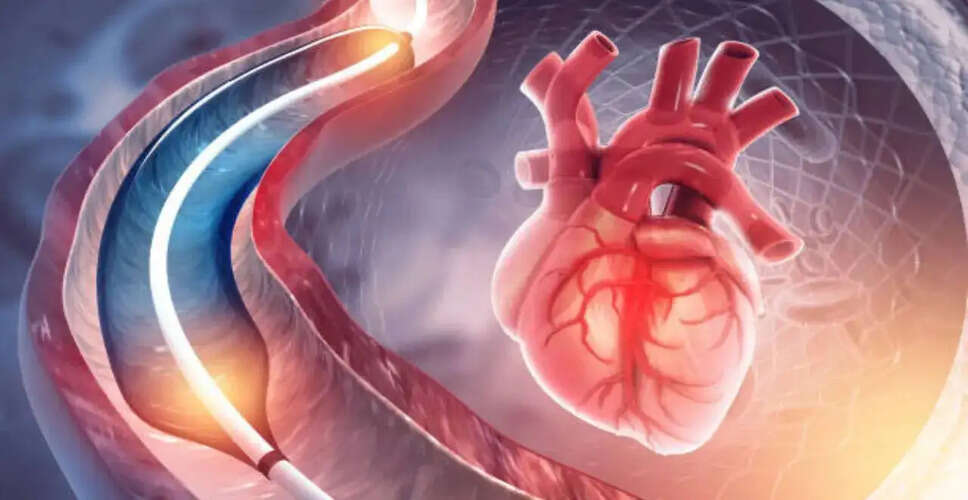
Coronary angiography is a procedure that enables healthcare providers to visualize the arteries that supply blood to the heart. By utilizing a special dye and X-ray technology, cardiologists can detect blockages, pinpoint their locations, and evaluate their severity. The insights gained from angiography are vital for formulating the most suitable treatment strategy. Depending on the results, patients may need to adopt lifestyle changes, take medications, undergo angioplasty with stent placement, or even bypass surgery, or they may simply receive reassurance about their arterial health. Essentially, angiography provides clarity rather than automatically necessitating intervention. Dr. Kaushal notes that the misconception that angiography is a treatment is a significant error; it serves as an investigative tool that helps determine the appropriate course of action.
Common Misunderstandings About Angiography
Myth 1: Every Angiography Results in a Stent
This is one of the most widespread myths. Many individuals who undergo angiography find that their blockages can be managed effectively with medications and lifestyle changes alone. A stent is only recommended when it is deemed medically necessary.
Myth 2: Angiography is Only Conducted After a Heart Attack
While angiography is often performed post-heart attack, it is also utilized to investigate symptoms like chest pain, shortness of breath, abnormal stress test results, or suspected coronary artery disease before a significant cardiac event occurs.
Myth 3: Chest Pain Always Indicates Acidity
Not all instances of chest discomfort are related to digestive issues. Symptoms such as recurrent chest heaviness, pressure during physical exertion, unexplained sweating, fatigue, or breathlessness may signal reduced blood flow to the heart.
Myth 4: Angiography is a Major Surgical Procedure
Modern angiography is minimally invasive. In many healthcare facilities, it is performed via the wrist artery (radial artery), typically lasting less than 30 minutes, with patients often discharged the same day or within 24 hours.
Why Early Detection Matters
Heart disease can develop silently over many years, with significant arterial blockages potentially existing before severe symptoms manifest. Early identification of these blockages allows healthcare providers to initiate treatment before complications, such as heart attacks, arise. Cardiologists stress that prevention is significantly easier than emergency interventions. Angiography can provide essential information that aids in preventing future cardiac events and enhances long-term health outcomes.
When to Seek Medical Help
It is advisable to consult a healthcare professional if you experience:
- Recurrent chest pain or discomfort
- Heaviness in the chest during physical activity
- Unexplained shortness of breath
- Excessive sweating without a clear cause
- Fatigue during routine activities
- Any unusual or concerning symptoms
Disregarding these warning signs can lead to delays in diagnosis and treatment. Instead of fearing the procedure, patients should view it as a crucial step toward understanding their heart health. As cardiologists often state, the aim of angiography is straightforward: to identify blockages before they become critical.