
Understanding and Preventing Inner Thigh Chafing in Women
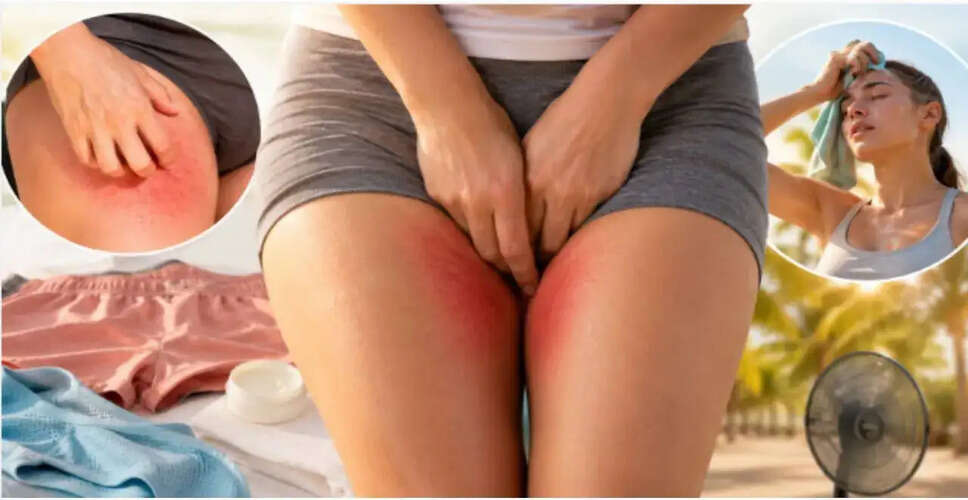

The Unspoken Issue of Inner Thigh Chafing
As the heat and humidity rise, many women face an uncomfortable skin issue known as inner thigh chafing. Often overlooked, this condition can lead to burning sensations, redness, rashes, and even severe skin infections if not addressed. Dermatologists highlight that while this problem is prevalent in summer, it can occur throughout the year due to friction, perspiration, and extended physical activities. Dr. Saguna Puttoo, a dermatologist at Apollo Clinic, explains that inner thigh chafing results from skin-on-skin friction, heat, and excessive sweating. In hot and humid conditions, sweat can soften the skin, making it more susceptible to irritation. Wearing tight or non-breathable clothing can exacerbate the issue by trapping moisture and increasing friction. Dr. Puttoo notes, “In summer, the combination of heat and humidity makes the skin more vulnerable, especially for women who often wear non-breathable fabrics.”
What Causes Inner Thigh Chafing?
Inner thigh chafing occurs when repeated friction damages the skin's protective barrier. While it is often linked to walking or exercising, it can also arise during commuting, traveling, pregnancy, or even daily activities. Contrary to common belief, this issue is not exclusive to overweight individuals; women of all body types can experience it, especially in warmer months or when wearing ill-fitting clothing. Dr. Saguna advises women to be vigilant for signs that may indicate more serious issues beyond mere friction, such as persistent redness, burning sensations, oozing, and unpleasant odors.
- Hot and humid weather
- Excessive sweating
- Tight or synthetic clothing
- Extended periods of walking or exercising
- Pregnancy
- Sensitive skin
Signs That Require Attention
Mild chafing typically begins with redness and discomfort, but if ignored, it can escalate into a more painful condition. Symptoms may indicate a secondary bacterial or fungal infection that necessitates medical intervention rather than home remedies. Dr. Puttoo recommends seeking medical help if you notice:
- Persistent redness
- Burning or stinging sensations
- Cracked or broken skin
- Oozing or discharge
- Unpleasant odor
- Increasing pain or swelling
Common Mistakes That Worsen Chafing
Many women inadvertently worsen thigh chafing by using products that irritate already compromised skin. A frequent mistake is applying scented powders or moisturizers, which can lead to further irritation and allergic reactions. Instead of alleviating discomfort, these products may intensify inflammation. Additionally, ignoring the issue and continuing to wear damp or tight clothing can hinder healing.
Preventing Inner Thigh Chafing
The good news is that inner thigh chafing can often be prevented with simple lifestyle adjustments. Dermatologists suggest:
- Wearing breathable, moisture-wicking fabrics
- Opting for well-fitting cotton or performance underwear
- Keeping the affected area clean and dry
- Changing out of sweaty clothes promptly
- Applying barrier creams with zinc oxide before prolonged walking or exercise
- Using cooling methods like ice packs if irritation occurs
The Evolution of Women's Innerwear
Deepa Vari, Founder and Managing Director of Adira, notes that women's innerwear has shifted focus from just fashion to comfort and functionality. "Modern women are increasingly looking for products that address real-life issues such as thigh chafing, sweat management, breast support, and period protection. Innovations like anti-chafing shorts, longer innerwear, moisture-wicking fabrics, four-way stretch materials, and inclusive sizing are enhancing women's comfort throughout the day,” she stated. Experts recommend selecting underwear made from breathable fabrics, with moisture control, adequate stretch, proper coverage, and a comfortable waistband, rather than focusing solely on appearance.
While inner thigh chafing may seem like a minor summer annoyance, ongoing irritation can lead to painful skin damage and infections if neglected. By opting for breathable clothing, maintaining good skin hygiene, and addressing symptoms early, women can prevent discomfort from escalating into a more significant health concern. If symptoms like redness, pain, or foul-smelling discharge persist despite home care, consulting a dermatologist is crucial for appropriate treatment.