
Uncovering Liver Health: How Your Feet Can Signal Problems
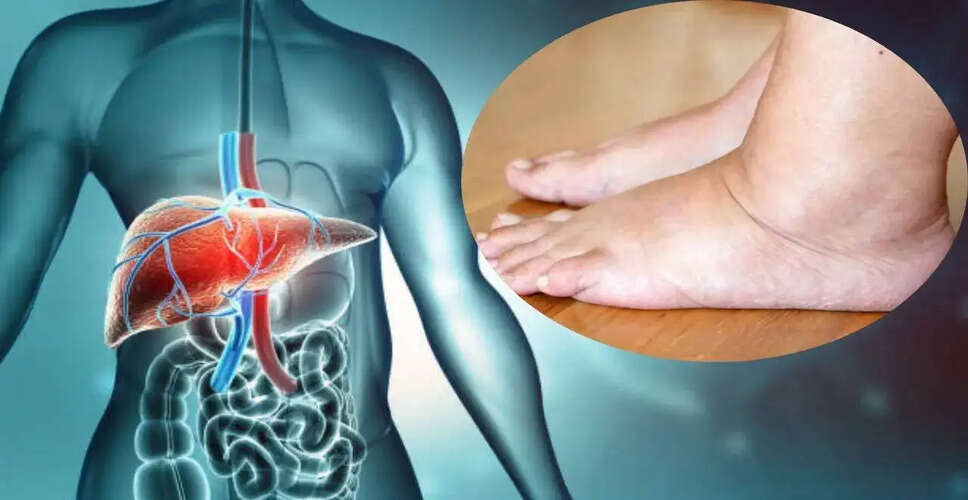

Understanding the Connection Between Feet and Liver Health
While many associate liver disease with symptoms like fatigue, jaundice, or abdominal pain, it's intriguing to note that your feet can also provide early indicators of liver issues. The liver is essential for filtering toxins, producing proteins, and managing blood clotting. When its functionality is compromised, various symptoms can manifest in different body parts, including the feet.
How Feet Reflect Liver Health
Your feet are rich in blood vessels and nerve endings, making them sensitive to changes in circulation and metabolism. If the liver is not operating optimally, it can lead to fluid imbalances, toxin accumulation, and clotting problems, which may become evident in your feet. Identifying these signs early can be crucial for addressing liver issues before they escalate.
Four Warning Signs to Watch For
1. Persistent Swelling in the Feet
Known as pedal edema, swollen feet or ankles can signal liver problems. This occurs when the liver produces insufficient albumin, a protein that helps regulate fluid levels. Low albumin can result in fluid leaking into surrounding tissues, causing swelling.
2. Yellowing of Skin and Toenails
A yellowish hue on the soles or toenails may suggest jaundice, which is linked to elevated bilirubin levels in the bloodstream. While jaundice is often first observed in the eyes, it can also manifest in thicker skin areas like the feet.
3. Unexplained Itching on the Soles
Chronic itching, particularly on the soles, may be associated with bile salt accumulation, a condition referred to as cholestatic pruritus. This symptom can sometimes arise even before liver tests show abnormalities.
4. Easy Bruising or Bleeding
Frequent bruising or bleeding from minor injuries on the feet may indicate issues with blood clotting. The liver is responsible for producing clotting factors, and diminished function can make the skin more susceptible to injury.
When to Consult a Healthcare Professional
If you experience any of these symptoms, especially if they persist for several days or occur simultaneously, it is crucial to seek medical attention. Early identification of liver disease can greatly enhance treatment outcomes and avert complications. Be alert for additional signs such as fatigue, weakness, loss of appetite, abdominal swelling, and changes in urine or stool color.
Healthcare providers may recommend:
- Liver Function Tests (LFTs)
- Ultrasound imaging
- Blood tests for liver enzymes
- Further scans if necessary
These assessments are vital for evaluating liver health and uncovering any underlying issues.
Key Risk Factors for Liver Disease
Several conditions can heighten the risk of liver disease, including:
- Fatty liver disease
- Excessive alcohol intake
- Diabetes and metabolic syndrome
- Viral hepatitis infections
Your feet may not be the first place you think to look for serious health concerns, but they can provide early warnings about liver health. From swelling and yellowing to itching and bruising, these subtle signs should not be overlooked. Paying attention to your body and responding to these indicators can significantly impact your liver health.