
Uncovering Heart Health: Skin Signs You Shouldn't Ignore

Understanding Heart Disease Symptoms Beyond the Heart
While heart disease is typically linked to symptoms like chest pain, breathlessness, and irregular heartbeats, many are unaware that skin changes can also signal potential cardiovascular issues. Alterations in the skin may indicate poor circulation, high cholesterol, or metabolic disorders that elevate heart disease risk. Although these signs alone do not confirm a heart condition, experts emphasize the importance of recognizing them early to prevent severe complications such as heart attacks or strokes.
Yellow Skin Deposits: A Sign of High Cholesterol
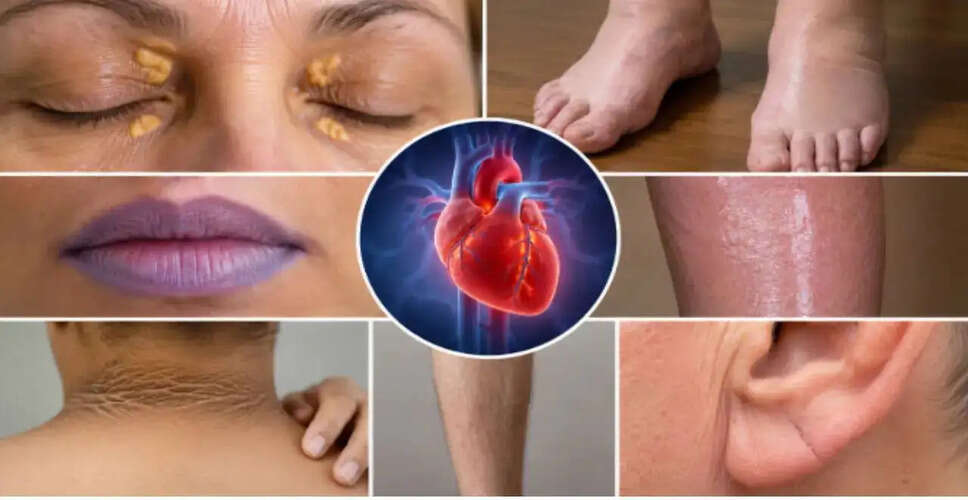
One prominent skin warning sign is the emergence of xanthomas, which are yellowish fatty deposits that can appear on the eyelids, elbows, knees, hands, or feet. These deposits are often associated with high cholesterol levels, which can lead to plaque buildup in arteries, restricting blood flow and heightening the risk of coronary artery disease. If you observe persistent yellow patches or waxy nodules, it may be prudent to consult your doctor about cholesterol testing.
Bluish Extremities: A Warning of Poor Oxygen Supply
Cyanosis, characterized by a bluish tint in the lips, fingers, or toes, can indicate that oxygen-rich blood is not circulating effectively. This condition may arise when the heart struggles to pump blood or when cardiovascular issues hinder oxygen delivery. If cyanosis appears suddenly or is accompanied by symptoms like breathlessness or dizziness, it should be treated as a medical emergency.
Swollen Feet and Shiny Skin: Indicators of Heart Failure
Persistent swelling in the feet, ankles, or lower legs, known as peripheral edema, occurs when excess fluid accumulates in body tissues, causing the skin to appear stretched and shiny. This fluid retention can develop when the heart has difficulty pumping blood effectively, a common symptom of heart failure. While swelling can stem from various causes, including kidney or liver disorders, ongoing or worsening edema should always be evaluated by a medical professional.
Dark Velvety Patches: A Hidden Metabolic Risk
Acanthosis nigricans manifests as dark, thickened, velvety patches of skin, typically found around the neck, armpits, or groin. While often linked to insulin resistance, this condition can also serve as an early warning for prediabetes or type 2 diabetes. Since diabetes significantly raises the risk of cardiovascular disease, early identification and management of insulin resistance are crucial for long-term heart health.
Reduced Leg Hair Growth: A Sign of Poor Circulation
Thinning hair or hair loss on the legs may appear to be a cosmetic concern, but it can indicate peripheral artery disease (PAD). PAD occurs when narrowed arteries limit blood flow to the limbs, with other symptoms including cool skin, slow-healing wounds, and muscle pain during walking. Given that PAD and coronary artery disease often share the same underlying cause—atherosclerosis—this may signal an increased risk of heart attack and stroke.
The Earlobe Crease Connection
A lesser-known indicator of cardiovascular disease is Frank's sign, a diagonal crease across the earlobe. Research has suggested a link between this crease and coronary artery disease, as it may reflect changes in small blood vessels and tissue elasticity, similar to alterations in the heart's arteries. While not a definitive diagnostic tool, the presence of Frank's sign, particularly in younger individuals, may warrant cardiovascular screening.
When to Consult a Doctor
While skin changes alone cannot diagnose heart disease, they can serve as important warning signs. If you notice symptoms such as swollen legs, bluish skin, yellow cholesterol deposits, dark patches, reduced leg hair growth, or an unusual earlobe crease—especially alongside risk factors like high blood pressure, diabetes, obesity, smoking, or high cholesterol—it's essential to seek medical advice. Maintaining heart health involves regular checks of cholesterol and blood pressure, managing blood sugar levels, staying active, eating a heart-healthy diet, maintaining a healthy weight, and avoiding tobacco. Often, the first signs of cardiovascular issues manifest on the skin long before chest pain occurs. Being attentive to these subtle changes could aid in the early detection of heart disease and potentially save your life.