
UK Passengers from MV Hondius May Face Extended Self-Isolation Due to Hantavirus Exposure

Health Advisory for Returning Passengers
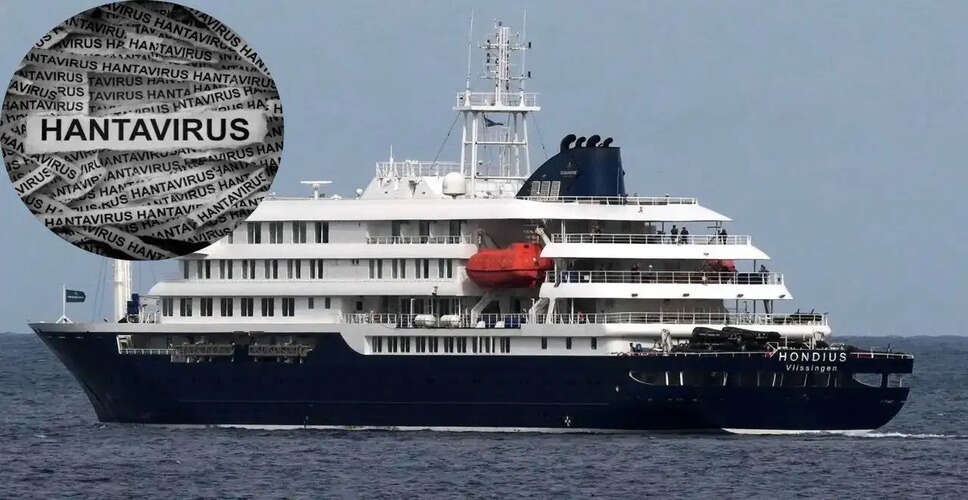
Passengers from the MV Hondius cruise ship, which has been affected by a Hantavirus outbreak, may be required to self-isolate for as long as 45 days upon their return to the UK, as per health officials. This decision comes amid a rising number of infections and fatalities linked to the cruise, prompting a significant international health response involving multiple countries, including the UK, Spain, South Africa, the Netherlands, Switzerland, Singapore, and the United States. Experts highlight that the virus's incubation period can extend up to six weeks, raising concerns about potential delayed symptoms in passengers who have already disembarked.
Professor Robin May from the UK Health Security Agency indicated that British travelers might need to quarantine at home after their return. Currently, two British individuals are voluntarily isolating in the UK following possible exposure during the cruise. The vessel, managed by Oceanwide Expeditions, is set to dock in the Canary Islands, where Spanish authorities are organizing repatriation for those affected. Officials have confirmed that 19 British passengers and four crew members are associated with this incident, with some having disembarked earlier at St Helena before the outbreak was recognized.
Global Monitoring of Exposed Passengers
Multiple countries are monitoring passengers
The World Health Organization has reported five confirmed cases linked to the cruise ship, with expectations of more cases due to the lengthy incubation period. Authorities in Europe, Asia, Africa, and North America are actively tracing passengers who may have been exposed. In Singapore, two residents connected to the cruise have been isolated, while Switzerland has confirmed one positive case from a passenger who returned to Zurich. Additionally, two states in the US, Georgia and Arizona, are monitoring former passengers. A 69-year-old British man is currently in intensive care in South Africa but is showing signs of improvement, while another British passenger, 56-year-old Martin Anstee, is stable in a Dutch hospital after being evacuated from the ship.
Understanding Hantavirus
What is hantavirus?
Hantavirus is a rare but potentially severe viral infection primarily transmitted through contact with infected rodents, especially their droppings, urine, or saliva. Initial symptoms can mimic flu-like illnesses, including fever, muscle aches, fatigue, headaches, and respiratory issues. Experts suggest that the Andes strain involved in this outbreak may have spread through close human contact in rare instances, with previous outbreaks in South America showing limited human-to-human transmission.
The World Health Organization has labeled the situation a 'serious incident' but emphasized that it does not equate to the COVID-19 pandemic, maintaining that the overall public risk remains low.
Concerns Over the Cruise Ship Outbreak
Cruise ship outbreak sparks global concern
Three individuals connected to the cruise have died, although investigations are ongoing to determine if all deaths were directly linked to Hantavirus infection. Health officials are conducting extensive contact tracing and medical evaluations for all passengers aboard. Despite the rising concerns, authorities report that there are currently no symptomatic individuals remaining on the MV Hondius. Experts continue to advise caution while encouraging exposed passengers to closely monitor their health and adhere to isolation recommendations.