
Transforming Grief into Hope: The Impact of Organ Donation in India
A Legacy of Compassion
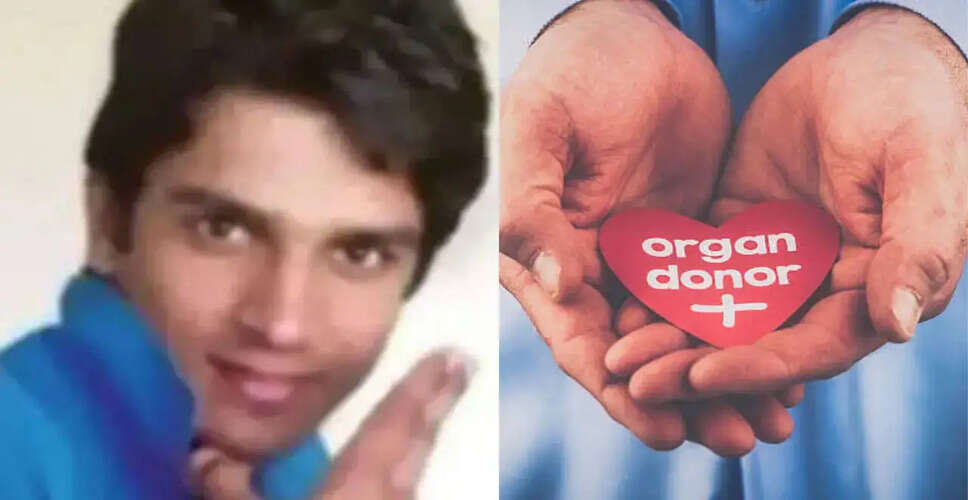
In a heartfelt gesture, the family of Harish Rana, who became the first Indian to receive passive euthanasia, has turned their personal tragedy into a beacon of hope for others. After his death following over 13 years in a coma, his parents made the selfless decision to donate his corneas and heart valves, providing new life and better health to several patients in need. This act of kindness has resonated deeply across the nation, reigniting discussions about the critical issue of organ donation in India, a practice that remains significantly underutilized despite its life-saving potential.
A Lasting Impact
Harish's situation had already shed light on the importance of end-of-life care, patient dignity, and the laws surrounding passive euthanasia in India. His family's final act has added a new dimension to his legacy, showcasing generosity and compassion. By donating corneas, they have restored sight to individuals suffering from blindness, while the heart valves have enabled patients with severe cardiac issues to lead healthier lives.
The Importance of Organ Donation
Experts highlight a significant disparity between the demand for and availability of organs in India. Thousands of patients await transplants, with many tragically losing their lives due to prolonged waiting times. A single donor can save or enhance multiple lives, yet corneal blindness affects countless individuals in the country. Despite this, the rate of cornea donations remains low, and heart valve diseases often necessitate surgical procedures; donated tissues can be crucial for survival. Current statistics reveal that India's organ donation rate is below 1% of the population, with over 63,000 individuals requiring kidney transplants and around 22,000 needing liver transplants. Awareness and willingness to donate organs posthumously are hindered by myths, misinformation, and cultural reluctance.
Dispelling Myths Surrounding Organ Donation
Experts assert that misinformation is a major obstacle to organ donation. They clarify that:
- Organ donation does not postpone funeral arrangements.
- The process is conducted with utmost respect and dignity.
- Donors do not experience pain after death.
- Most religious beliefs support the act of saving lives.
Harish's family's choice exemplifies how one decision can confront stigma and inspire societal change.
The Process of Organ Donation
Organ and tissue donation follows strict medical and legal protocols. Once a donor is declared brain-dead or passes away, trained medical teams evaluate the viability of the organs and tissues. With family consent, the retrieval process is executed swiftly to ensure successful transplantation. Notably, cornea donations can occur even after natural death within a specific timeframe, making it one of the most accessible forms of donation. Public health experts emphasize the urgent need for India to boost its organ donation rates. Simple actions like pledging to donate, informing family members of one’s wishes, and raising awareness can lead to significant changes. Stories like Harish’s underscore the importance of transforming grief into a purposeful mission. His family's decision not only honors his memory but also fosters a wave of awareness throughout society.