
Transforming Childhood Cancer Treatment: A New Era of Hope
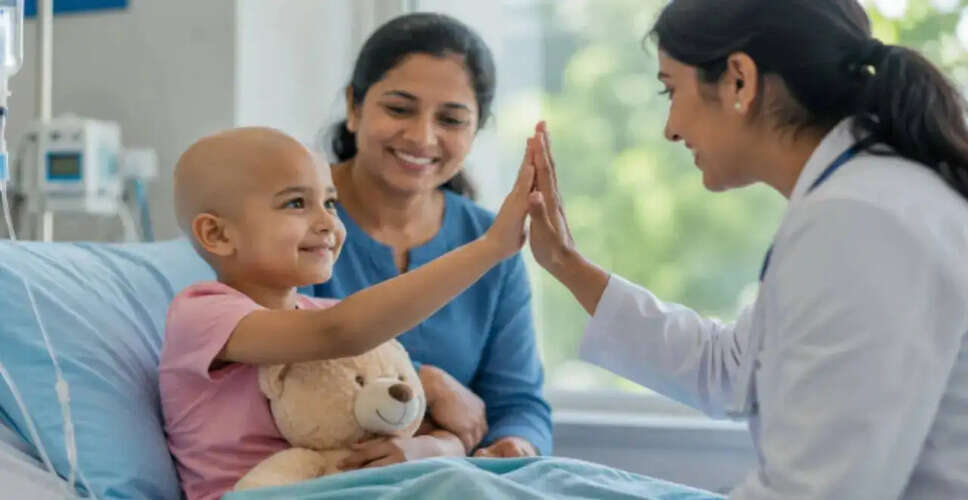

A New Perspective on Childhood Cancer
For many years, a diagnosis of childhood cancer was seen as one of the most heartbreaking challenges a family could encounter. With lower survival rates and limited treatment options, many parents felt a sense of despair. However, medical professionals now report a significant shift in the prognosis for children diagnosed with cancer. Thanks to advancements in pediatric oncology, early detection, precision medicine, and specialized treatment facilities, countless children are now surviving cancer and thriving into adulthood. Experts assert that modern treatment approaches have greatly enhanced outcomes compared to those of previous generations.
Global Improvements in Childhood Cancer Survival Rates
Childhood cancer survival rates are improving worldwide
Survival rates hinge on various factors, such as:
- Type of cancer
- Stage at diagnosis
- Genetic makeup
- Access to specialized care
- Response to treatment
Children often handle chemotherapy better than adults, which can lead to higher success rates in treatment. Common types of childhood cancers include leukemia, lymphoma, brain tumors, bone cancers, and neuroblastoma. Early detection remains a critical factor in improving survival rates.
Innovative Treatments Changing the Landscape
Better treatments transforming outcomes
A significant advancement in treating childhood cancer is the shift towards precision and risk-adapted therapies. Previously, treatments were more uniform, but now, healthcare providers customize therapy plans based on each child's unique disease characteristics and risk levels, enhancing cure rates while minimizing long-term side effects. Contemporary treatment regimens typically include chemotherapy, targeted therapies, immunotherapy, radiation, surgery, bone marrow transplants, and stem cell transplants. Cutting-edge therapies like CAR-T cell therapy are also providing new hope for children facing relapsed or high-risk blood cancers. This therapy involves altering a patient’s immune cells in a lab to better recognize and combat cancer cells. Although these treatments can be costly and are primarily available at specialized centers, they are yielding encouraging results in challenging cases.
Prioritizing Quality of Life Post-Cancer
Focus more on the quality of life after cancer
Experts emphasize that the objective has evolved beyond mere survival. Many childhood cancer survivors are now able to lead fulfilling and productive lives. Nonetheless, some may face long-term effects stemming from the intensive treatments they underwent as children. Potential long-term complications can include:
- Hormonal imbalances
- Fertility issues
- Cardiac problems
- Learning difficulties
- Emotional challenges
- Growth-related concerns
As a result, survivorship programs and ongoing follow-up care are becoming increasingly vital. Emotional support from parents, educational institutions, counselors, and healthcare teams is crucial for aiding children in their physical and psychological recovery after treatment.
Raising Awareness About Childhood Cancer in India
Childhood cancer awareness is increasing in India
In India, experts note that survival rates for childhood cancer are gradually improving due to heightened awareness, better cancer registries, specialized pediatric oncology centers, and earlier referrals. However, challenges persist. Many children in India are still diagnosed late because early symptoms are often overlooked or misinterpreted as common illnesses. Parents should be vigilant and not dismiss these warning signs:
- Persistent fever
- Frequent infections
- Unexplained bruising or bleeding
- Sudden weight loss
- Swelling
- Extreme fatigue
- Bone pain