
Transformative Journey of Prostate Cancer Treatment: Murugesan's Story

A Hopeful Journey Begins
Murugesan, a 64-year-old resident of Chennai, faced a daunting challenge when he was diagnosed with advanced prostate cancer eight months ago. This diagnosis initiated a journey filled with both challenges and hope. His experience exemplifies how contemporary treatments for prostate cancer, particularly robotic-assisted surgeries, are revolutionizing patient outcomes and recovery times.
The Role of ADT in Surgery Preparation
Initially, immediate surgery was not feasible due to the advanced nature of his cancer. Instead, Murugesan underwent several months of androgen deprivation therapy (ADT), a hormonal treatment aimed at reducing the tumor's size and growth rate. This essential step allowed the medical team to prepare him for surgery at the appropriate time. Dr. Ravishankar JC, a consultant in urology and robotic surgery, explained that a thorough health assessment was conducted to ensure Murugesan was fit for the complex procedure. Once deemed ready, the team scheduled a robotic-assisted radical prostatectomy along with bilateral pelvic lymph node dissection, which is considered the gold standard for advanced cases.
Precision in Robotic Surgery
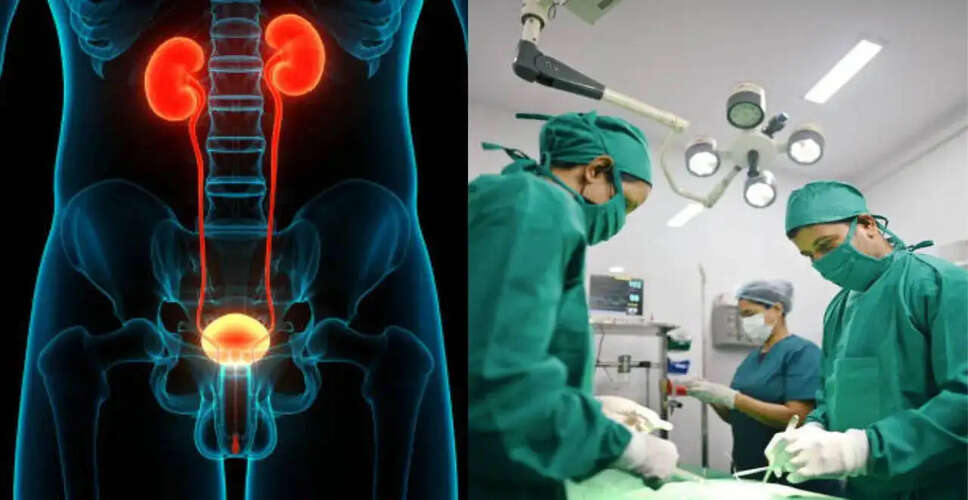
The surgery, which lasted nearly eight hours, demanded exceptional precision. Utilizing advanced robotic technology, the surgical team operated with enhanced 3D visualization and minimally invasive techniques. This method is increasingly favored in prostate cancer surgeries, as it allows for more accurate removal of cancerous tissue while preserving surrounding healthy structures.
Advantages of Robotic Surgery
One significant advantage of robotic prostate surgery is the reduction in blood loss and complications. In Murugesan's case, the procedure was completed without any intraoperative issues, a remarkable feat given the complexity involved. Dr. Ravishankar emphasized the importance of this surgery, noting that the combination of Murugesan's age and the advanced stage of his cancer made it particularly high-risk. However, the robotic platform provided the necessary precision and control, enabling complete cancer removal while minimizing blood loss and facilitating a quicker recovery compared to traditional methods.
Remarkable Recovery
What distinguishes Murugesan's case is his impressive recovery. Just a day after the extensive eight-hour surgery, he was able to sit up and move comfortably. This swift recovery highlights the benefits of minimally invasive robotic surgery, which is known for reducing hospital stays and expediting the return to daily activities.
Ongoing Care and Future Outlook
As part of his ongoing treatment, Murugesan will continue with hormonal therapy to lower the risk of cancer recurrence. Regular follow-ups and monitoring by the oncology team will be crucial for his long-term success. His journey reflects a significant shift in cancer care, showcasing how advancements in robotic-assisted surgery, early detection, and tailored treatment plans are enhancing recovery prospects and quality of life for patients with advanced prostate cancer. This case serves as a source of inspiration for others facing similar challenges, demonstrating that with appropriate care, positive outcomes are achievable.