
Transform Your Evening Routine with the Doorway Decompression Technique
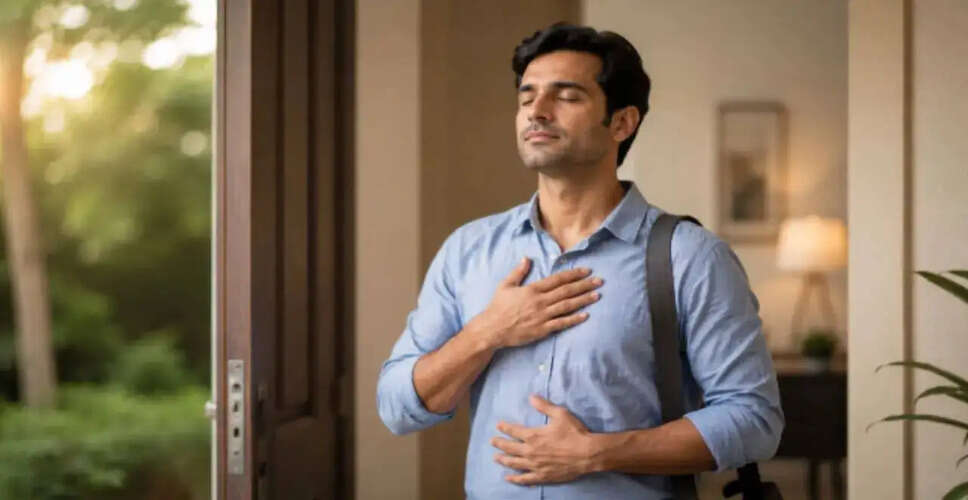

A Simple Breathing Technique for Stress Relief
After a demanding day filled with tight deadlines and constant notifications, many individuals unknowingly bring stress home. Dr. Shriram Nene, a cardiovascular surgeon and health advocate, emphasizes that taking just a minute before entering your home can significantly benefit your heart health, enhance sleep quality, and facilitate a smoother transition from work to family life. In a recent social media update, Dr. Nene introduced the "doorway decompression technique," a straightforward breathing exercise aimed at helping individuals shift from a state of stress to relaxation. He advised, "Before you step into your evening, take a brief pause. The way you transition from stress to rest can influence your mood, sleep, and the energy you share with loved ones," on X.
Good evening — what are you carrying home today?Before you step into your evening, take one small pause. The way you transition from stress to rest can shape your mood, your sleep, and the energy you bring to the people you love.Tiny rituals. Big impact.Try it tonight. pic.twitter.com/9aRBnpu2LV
— Dr. Shriram Nene (@DoctorNene) June 17, 2026
Understanding the Doorway Decompression Technique
This technique requires only a minute. Before entering your home after work, follow these steps:
- Pause at the entrance.
- Inhale deeply through your nose for a count of four.
- Exhale slowly through your mouth or nose for a count of six.
- Repeat this breathing pattern six times before stepping inside.
The aim is to leave behind workplace stress rather than carrying it into your evening.
Why Chronic Stress Harms Heart Health
Under stress, your sympathetic nervous system, commonly known as the "fight-or-flight" response, activates. This leads to an increase in heart rate, elevated blood pressure, and a surge of stress hormones like cortisol and adrenaline. While this response is crucial in emergencies, prolonged exposure can adversely affect overall health. Research has linked chronic stress to high blood pressure, a greater risk of heart disease, poor sleep, anxiety, depression, chronic inflammation, and a weakened immune system. Cardiologists warn that ongoing psychological stress may silently harm cardiovascular health by hindering the body's recovery after stressful events.
The Benefits of Slow Breathing
The doorway breathing exercise stimulates the parasympathetic nervous system, often referred to as the body's "rest-and-digest" mode. As breathing slows, heart rate decreases, muscles relax, and the brain receives signals indicating that the immediate threat has passed. The extended exhalation recommended by Dr. Nene is particularly beneficial. Studies suggest that lengthening the exhale can stimulate the vagus nerve, which is crucial for regulating heart rate, relaxation, digestion, and emotional stability. Additionally, deep breathing has been shown to enhance heart rate variability (HRV), an important indicator of how well the body copes with stress.
A Small Habit with Significant Benefits
Beyond its physiological advantages, the doorway pause establishes a vital psychological boundary between work and home. Many professionals may leave the office physically but continue to dwell on meetings, emails, and unfinished tasks long after arriving home. A brief breathing ritual signals the end of the workday, allowing the mind to focus on family, relaxation, and personal well-being. Dr. Nene believes this simple practice can enhance not only heart health but also relationships and emotional wellness. By dedicating just 60 seconds to slow your breathing before entering your home, you may alleviate stress, support healthier blood pressure, enjoy more restful sleep, and be more present with your loved ones. While this breathing exercise is not a replacement for medical treatment, it can be a valuable addition to a heart-healthy lifestyle that includes regular exercise, balanced nutrition, sufficient sleep, and routine health check-ups.