
Tragic Passing of OnlyFans Founder Leonid Radvinsky and the Importance of Cancer Awareness
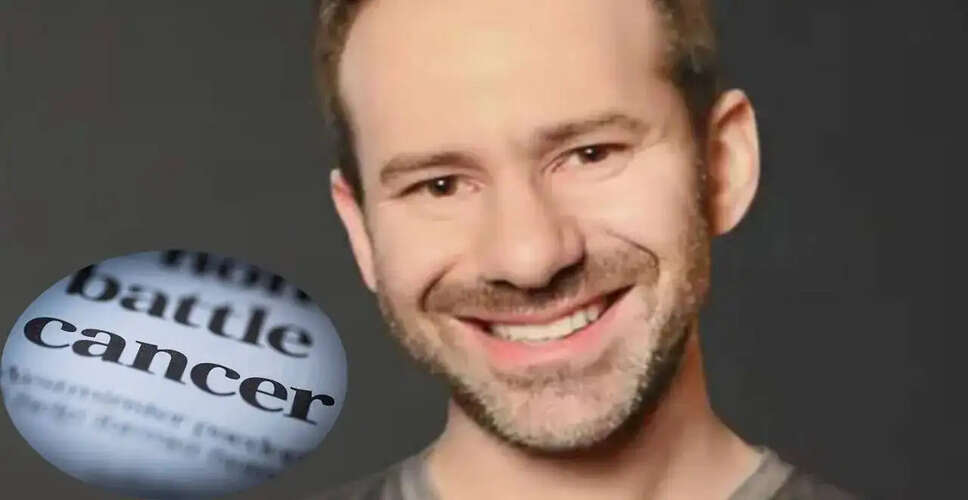
Leonid Radvinsky's Battle with Cancer
Leonid Radvinsky, the billionaire founder of the largest adult modeling platform, OnlyFans, has passed away at the age of 43 after a prolonged struggle with cancer. The platform released a heartfelt statement expressing their sorrow over his death, noting, “We are deeply saddened to announce the death of Leo Radvinsky. Leo passed away peacefully after a long battle with cancer.” They also mentioned that his family has requested privacy during this challenging time. While the specific type of cancer he faced was not disclosed, reports indicate that Radvinsky had been receiving treatment since the previous year.
The Importance of Early Cancer Detection
Why is early detection important?
Detecting cancer in its early stages significantly increases the chances of successful treatment. Unfortunately, many initial symptoms can be mild or easily overlooked. Experts emphasize the importance of being attentive to your body and addressing any unusual changes, as early diagnosis can lead to better outcomes.
Recognizing Key Symptoms
Key cancer signs you must not ignore
Healthcare professionals point out several early signs of cancer that should not be ignored:
- Unexplained weight loss without changes in diet or exercise
- Persistent fatigue that doesn’t improve with rest
- Lumps or swelling in the body, particularly in the neck, breast, or underarms
- Chronic cough or hoarseness lasting for weeks
- Changes in skin, such as new moles or unusual discoloration
- Night sweats or recurring fever without an infection
- Changes in bowel or bladder habits
While these symptoms do not always indicate cancer, persistent or worsening signs should prompt a medical evaluation. One major hurdle in diagnosing cancer is that early symptoms can resemble common ailments like infections or stress, leading many to delay seeking help due to assumptions about their symptoms or fear of a serious diagnosis.
Understanding Cancer Risk Factors
Who is at risk?
Cancer can impact anyone, but certain factors may heighten the risk, according to the Cleveland Clinic:
- Family history of cancer, particularly if an immediate family member has been diagnosed
- Smoking and alcohol consumption can increase risk by 40%
- Poor dietary habits and a sedentary lifestyle
- Exposure to environmental toxins, including air pollution
- Chronic stress, lack of sleep, or insomnia
It’s crucial to note that even those without obvious risk factors can develop cancer, underscoring the need for awareness among all individuals.
Preventive Measures Against Cancer
Can you protect yourself from cancer?
While not all cancers can be prevented, there are proactive steps that can lower risk and enhance early detection:
- Schedule regular health check-ups and screenings
- Maintain a balanced diet rich in fruits and vegetables
- Engage in regular physical activity
- Avoid tobacco and limit alcohol consumption
- Be vigilant about monitoring your body for unusual changes
Early screening tests can identify cancers before symptoms arise. Cancer awareness should focus on vigilance rather than fear. Recognizing early symptoms, seeking prompt medical advice, and prioritizing regular screenings can be life-saving. If something feels off, don’t ignore it; your body often signals issues early, and paying attention could make a significant difference.