
Tragic Choking Incident Highlights Dangers of Airway Blockage

A Heartbreaking Incident in Himachal Pradesh
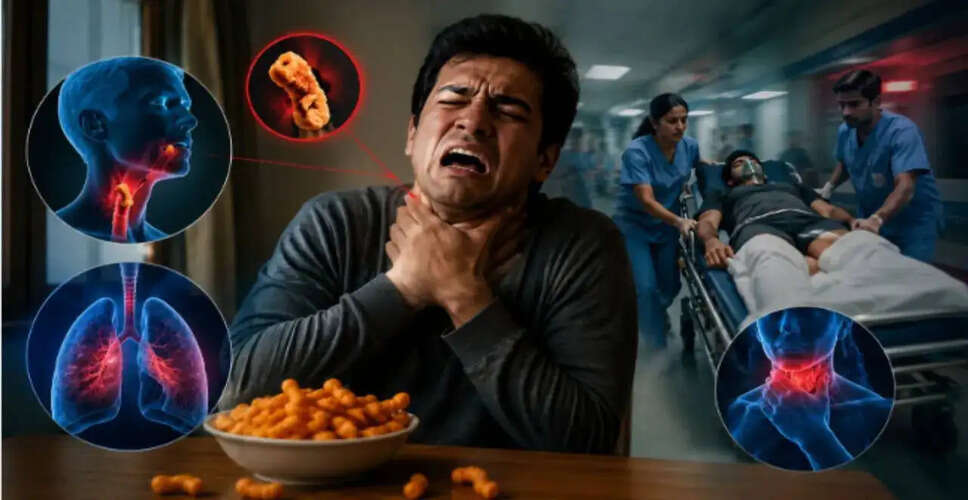
A recent tragedy in Himachal Pradesh has reignited discussions about the serious risks associated with choking. A 28-year-old man, Hemant Sharma from Tal village in the Arki subdivision of Solan district, lost his life after a piece of Kurkure snack became lodged in his windpipe. Reports indicate that he faced severe breathing difficulties after consuming the snack. He was initially taken to MMU Sultanpur and subsequently referred to PGI Chandigarh due to his critical condition. Despite medical efforts, he sadly passed away, leaving his family and community in profound grief. This incident raises a crucial health question: Can choking lead to death so swiftly? Medical professionals affirm that choking is indeed a life-threatening emergency that can result in death within minutes if the airway is fully obstructed.
Understanding the Dangers of Choking
How Choking Becomes Life-Threatening
Choking occurs when food or an object obstructs the airway, hindering oxygen flow to the lungs. In severe instances, the brain can be deprived of oxygen within minutes, potentially resulting in unconsciousness, brain damage, or death. Foods that are crunchy, dry, or inadequately chewed can inadvertently enter the windpipe instead of the esophagus during swallowing, leading to coughing, choking, wheezing, panic, and significant breathing distress. Health experts emphasize that airway obstruction should never be underestimated, particularly if someone suddenly has trouble breathing or speaking after eating.
Recognizing Choking Symptoms
Common Signs of Choking
Medical professionals outline several warning signs of choking, which include:
- Inability to speak suddenly
- Difficulty in breathing
- Severe coughing
- Wheezing or noisy breathing
- Clutching the throat
- Bluish discoloration of lips or face
- Panic and agitation
- Loss of consciousness in extreme cases
If the airway is only partially blocked, coughing may help dislodge the object. However, complete obstruction necessitates immediate emergency intervention.
Immediate Actions for Choking
What to Do in a Choking Emergency
Experts stress the importance of prompt first aid in choking situations. If an individual cannot breathe, cough, or speak, immediate action is crucial. Recommended first aid steps include:
- Encourage forceful coughing if the person is able to do so.
- Deliver five strong back blows between the shoulder blades.
- If these measures fail, perform abdominal thrusts (Heimlich maneuver).
- Contact emergency medical services without delay.
If the person becomes unconscious, CPR may be necessary until help arrives. Medical professionals advise everyone to familiarize themselves with basic choking first aid, as emergencies can occur in various settings such as homes, restaurants, schools, or workplaces.
Choking Risks for Young Adults
Why Young Adults Are Also at Risk
Many believe that choking incidents primarily affect children or the elderly, but healthcare providers warn that adults are also susceptible to fatal airway blockages. Factors such as eating too quickly, talking or laughing while chewing, alcohol consumption, and improper chewing can elevate choking risks. Processed snacks, nuts, hard candies, chunks of meat, and dry foods can pose significant choking hazards if not swallowed correctly.
Preventing Choking Incidents
Key Prevention Strategies
Health experts recommend several straightforward precautions to minimize choking risks:
- Eat slowly and chew food thoroughly.
- Avoid conversing or laughing while eating.
- Drink water if food feels lodged.
- Supervise children during mealtime.
- Learn emergency choking first aid.
The tragic passing of Hemant serves as a stark reminder that choking is a serious issue. Recognizing symptoms early and responding swiftly can be the difference between life and death.