
The Truth Behind Jalebi-Rabdi and Migraine Relief
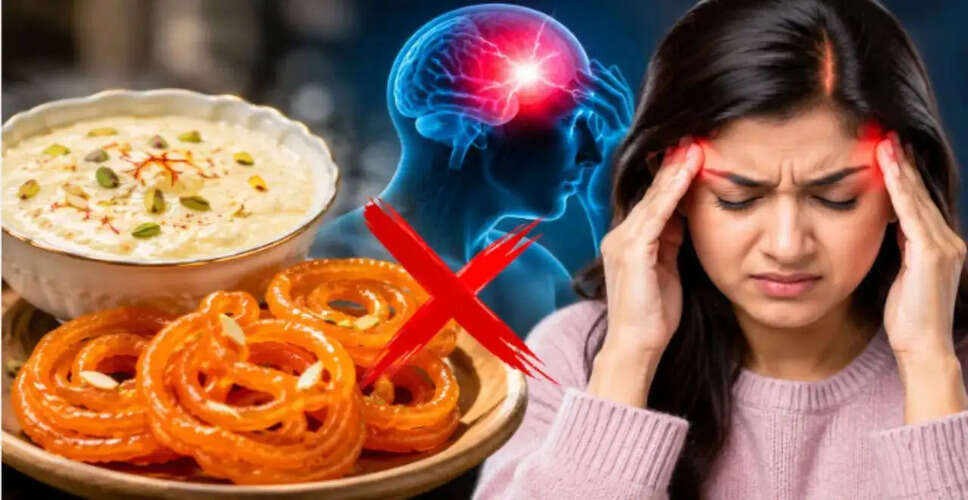

Social Media Claims on Jalebi-Rabdi
A recent viral claim circulating on social media suggests that the Indian dessert jalebi-rabdi can alleviate migraines. While some individuals report feeling better after consuming this sweet treat, neurologists assert that there is no scientific backing for this assertion. The relief some experience is likely due to a temporary rise in blood sugar levels rather than any medicinal properties of the dessert. Dr. Chitrangada Yadav, a Consultant Neurologist at Sahyadri Super Specialty, emphasized, “No medical sources support the idea that the combination of jalebi and rabdi can cure migraines.”
Understanding Migraines
What is a migraine?
Migraine is not merely a headache; it is a complex neurological disorder characterized by:
- Intense throbbing or pulsating pain
- Nausea and vomiting
- Heightened sensitivity to light and sound
- Visual disturbances, known as migraine aura
- Dizziness and fatigue
Triggers for migraines can vary widely among individuals and may include stress, inadequate sleep, dehydration, hormonal fluctuations, genetic factors, specific foods, or missed meals.
Why Some Feel Better After Eating Jalebi
Why do some people feel better after eating jalebi?
The viral claim suggests that low blood sugar (hypoglycemia) can instigate migraine episodes in certain individuals. Since jalebi is high in simple sugars and carbohydrates, it can quickly elevate blood glucose levels. If a migraine is exacerbated by fasting or low blood sugar, consuming something sweet may provide temporary relief. However, neurologists caution that this does not imply that jalebi-rabdi is a cure for migraines. Rapid fluctuations in blood sugar can also trigger headaches in some people, making sugary foods potentially harmful. Dr. Yadav noted, “While jalebi can cause a quick spike in blood sugar, leading to a feeling of relief, it does not address the underlying condition. In some cases, high glucose levels can actually provoke headaches due to rapid changes in blood sugar.”
Research Insights
What does research say?
Research published in reputable journals such as Headache and The Journal of Clinical Neurology indicates that maintaining stable blood sugar levels is crucial for managing migraines. Skipping meals and extended fasting are recognized as migraine triggers. Therefore, the relief some individuals feel after consuming sweets is likely due to correcting hunger or low glucose levels rather than treating the migraine itself. Experts highlight that migraines are highly individualized; what helps one person may trigger another's attack. “Relying on viral health hacks can lead to misdiagnosis and inadequate treatment for frequent migraines,” Dr. Yadav added.
Risks of Viral Health Remedies
The risks of following viral health hacks
Healthcare professionals advise against depending on social media remedies that lack scientific validation. Frequent migraine episodes may necessitate thorough evaluation to identify underlying causes and exclude other neurological issues. Relying solely on viral food trends could hinder timely diagnosis and effective treatment, particularly for those suffering from recurrent or severe migraines.
Effective Migraine Management
How to manage migraines the right way?
Dr. Yadav recommends evidence-based approaches to minimize migraine frequency:
- Identify and avoid personal migraine triggers
- Maintain regular, balanced meals without skipping breakfast
- Stay adequately hydrated
- Ensure sufficient sleep each night
- Manage stress through relaxation techniques
- Engage in regular physical activity
- Follow prescribed migraine medications as advised by your healthcare provider
- Keeping a migraine diary can also help identify patterns related to food, sleep, hormones, or lifestyle.
While jalebi-rabdi may satisfy your sweet cravings, it is not a validated treatment for migraines. Although a sugary snack might provide temporary relief if low blood sugar is a trigger, effective migraine management requires personalized medical attention based on the root causes.