
The Truth About Weight Loss: Why Cutting Food Isn't the Answer

Understanding Weight Loss Misconceptions
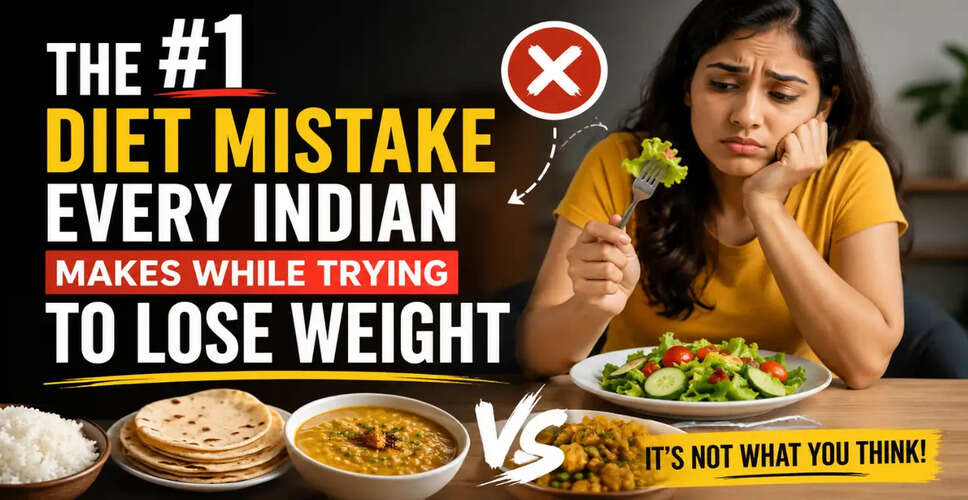
For countless individuals in India aiming to shed pounds, the journey often starts with a drastic approach: eliminating food. Rice is often removed from meals, rotis are halved, sugar is completely avoided, and dinner may consist of just soup or a few nuts. While the scale may reflect quick progress initially, soon enough, fatigue, cravings, mood fluctuations, and persistent weight gain resurface. A common error many make in their weight loss efforts is straightforward: consuming too little while excluding the wrong types of food.
The Ineffectiveness of Crash Diets
No Crash Diet Ever Works
Crash dieting has become a common practice in many Indian homes. Those looking to lose weight are often told to eliminate rice, skip breakfast, avoid ghee entirely, or rely solely on salads. However, the body does not react positively to starvation. When calorie intake is drastically reduced, metabolism slows down to conserve energy, leading the body to retain fat instead of burning it efficiently.
Carbohydrates are one of the most misinterpreted components in Indian diets. Foods like rice, roti, poha, idli, and even potatoes are often viewed as adversaries. In truth, carbohydrates serve as the body's main energy source. Completely eliminating them can result in fatigue, irritability, headaches, and strong cravings later in the day. This is why many restrictive diets often lead to binge eating at night.
The issue lies not with carbohydrates themselves but with imbalance and portion sizes. A plate filled excessively with white rice and minimal protein or fiber can cause rapid spikes in blood sugar, leaving one feeling hungry again. Conversely, a balanced meal that includes dal, vegetables, curd, and moderate amounts of rice or roti can keep you satisfied longer and promote healthier weight loss.
Rethinking Healthy Food Choices
Managing The Intake Of Healthy Foods
Another frequent mistake is overestimating the healthiness of certain foods. Many packaged granola bars, protein snacks, diet namkeens, and sugar-free biscuits, which are marketed as fitness foods, can still be highly processed and calorie-rich. Just because a product claims to be 'multigrain,' 'low fat,' or 'high protein' does not mean it is beneficial for weight loss.
Moreover, the obsession with protein has been fueled by social media, leading many to believe that consuming excessive protein is the key to becoming lean. While protein is essential for maintaining muscle and promoting satiety, it cannot function effectively in isolation. The body requires fiber, healthy fats, and carbohydrates for optimal energy, digestion, hormonal balance, and recovery.
Additionally, sleep and stress play a significant role in weight management, often more than people realize. Elevated stress levels can increase cortisol, a hormone associated with fat storage and emotional eating. Inadequate sleep disrupts hunger hormones, intensifying cravings for junk food the following day. No diet can fully counteract the effects of chronic stress and fatigue.
Ultimately, sustainable weight loss is rarely achieved through extreme restrictions. It is rooted in consistency. Consuming balanced meals, engaging in regular physical activity, ensuring adequate sleep, and cultivating lasting habits are far more effective than temporary detoxes or starvation diets. For many Indians, the healthiest diet is not a foreign concept or a strict meal plan but rather a smarter adaptation of the foods already available: dal, sabzi, roti, rice, curd, fruits, nuts, and home-cooked meals enjoyed in moderation rather than fear.