
The Truth About Pineapple and Male Fertility

Understanding Pineapple's Role in Health
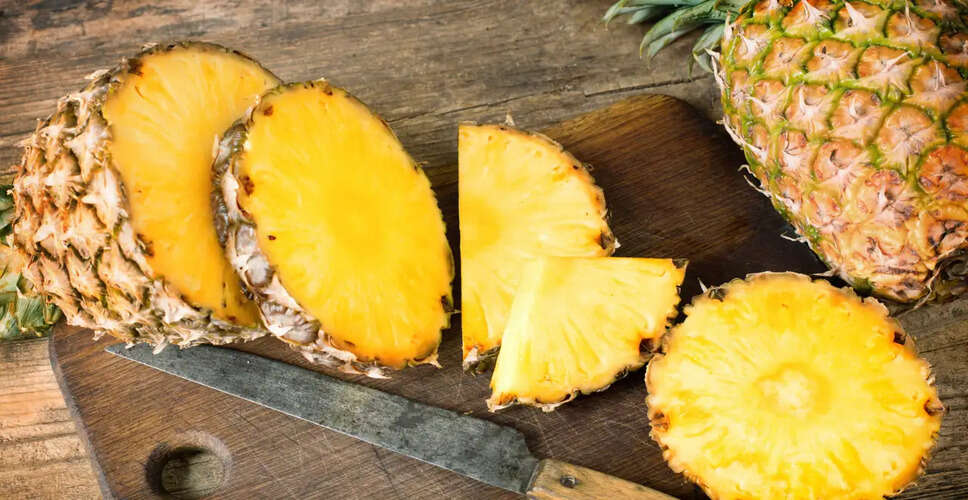
Pineapple is often surrounded by various health myths, particularly regarding its impact on fertility and male reproductive health. While some individuals advocate for its benefits, others are skeptical, viewing it as just another trend. The truth is more nuanced; pineapple is not a miracle solution for fertility issues. No healthcare professional would recommend it as a treatment for low sperm count. However, this tropical fruit does offer nutrients that can contribute positively to overall health, including aspects related to reproduction.
Why Pineapple Gains Attention
What's The Main Reason?
A key reason pineapple is often discussed is its high vitamin C content. A single serving delivers a substantial amount of this antioxidant, which aids the body in combating oxidative stress. Oxidative stress refers to the damage caused by unstable molecules that can harm cells over time. Sperm cells are particularly susceptible to this damage due to their fatty acid-rich membranes. Increased oxidative stress can negatively impact sperm quality.
This is where antioxidants like vitamin C play a crucial role. They help shield cells from harm and bolster the body's natural defense systems. While consuming pineapple won't drastically enhance fertility, ensuring an adequate intake of antioxidants through diet is generally viewed as beneficial for reproductive health.
Pineapple's Nutritional Benefits
Additionally, pineapple contains manganese, a mineral that often doesn't receive as much attention as iron or calcium. Manganese is essential for various bodily functions, including metabolism and enzyme production. Some studies suggest that deficiencies in certain minerals may correlate with reduced reproductive health, although fertility is influenced by a multitude of factors and cannot be attributed to a single nutrient.
Pineapple and Fertility Discussions
Pineapple And Fertility
Another reason pineapple is frequently mentioned in fertility conversations is due to bromelain, a natural enzyme present in the fruit. Bromelain has been researched for its anti-inflammatory effects and is sometimes included in supplements. While inflammation can impact overall health, there is currently insufficient evidence to suggest that bromelain directly enhances sperm count or fertility in healthy males.
The reality is that sperm health is influenced by a variety of factors beyond just one food item. Healthcare providers typically assess an individual's overall lifestyle rather than concentrating on specific ingredients. Factors such as smoking, excessive alcohol consumption, inadequate sleep, obesity, chronic stress, and lack of physical activity have all been associated with diminished sperm quality.
Diet and Lifestyle Considerations
Diet also plays a significant role. Men who consume a diet rich in fruits, vegetables, nuts, seeds, fish, and whole grains generally exhibit better reproductive health markers compared to those whose diets are heavily reliant on processed foods. While pineapple can be included in a healthy diet, it should not be viewed as the sole contributor to reproductive health.
There is also a long-standing belief that pineapple alters the taste of semen. This notion has persisted for years and continues to be discussed online. Although certain foods can influence body odor and bodily fluids to some degree, scientific research confirming the extent to which pineapple affects these aspects is minimal, with most evidence being anecdotal.
Conclusion
So, does pineapple contribute to sperm health? To a limited extent, yes. It offers vitamins, antioxidants, and minerals that promote general well-being, which is closely linked to reproductive health. However, those expecting a significant fertility enhancement from daily pineapple consumption may find themselves disappointed. The most effective approach remains the least glamorous: maintain a balanced diet, stay physically active, ensure adequate sleep, manage stress, and avoid habits detrimental to fertility. Pineapple can certainly be part of this healthy lifestyle, but it should not be mistaken for a quick fix.