
The Surprising Benefits of Black Coffee for Liver Health
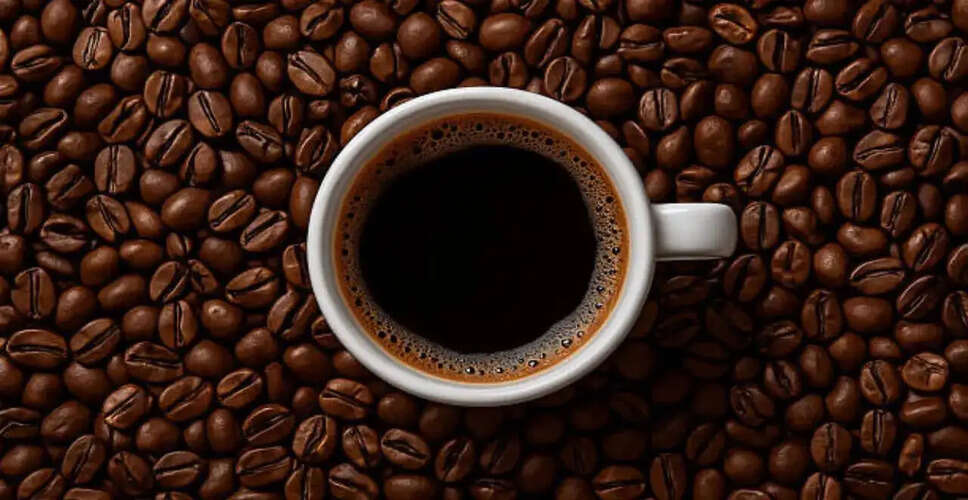

Black Coffee: A Natural Ally for Your Liver
Black coffee has evolved from being merely a morning pick-me-up to a significant supporter of liver health. Health professionals and fitness advocates alike are now recognizing its potential as a natural remedy that may safeguard the liver from harm and help mitigate fat accumulation. Dr. Shubham Vatsya, a senior Gastroenterologist and Hepatologist at Fortis Hospital, emphasizes, “Black coffee is more than just a morning beverage; it acts as a protective agent for your liver. When consumed without milk or sugar, it stands out as one of the few natural drinks shown to dissolve liver fat and prevent long-term damage.”
Why Black Coffee is Beneficial for Liver Function
Unlike coffee drinks loaded with milk and sugar, black coffee is low in calories and rich in bioactive compounds. It is abundant in antioxidants, particularly polyphenols, which help combat inflammation and oxidative stress—two significant contributors to liver disease. Studies indicate that regular coffee consumption may decrease the risk of conditions such as fatty liver disease (NAFLD), liver fibrosis, and even liver cancer. The liver is essential for detoxification, and black coffee seems to enhance this process by improving enzyme levels and minimizing harmful fat buildup.
Can Black Coffee Help Reduce Liver Fat?
One of the primary reasons black coffee is gaining traction in health discussions is its potential impact on fatty liver disease. Research suggests that consuming 2 to 4 cups of black coffee daily may aid in reducing liver fat, enhancing liver enzyme levels, slowing liver damage progression, and boosting metabolism. While it is not a cure, incorporating black coffee into a healthy lifestyle can be beneficial for preventing or managing liver issues. Dr. Vatsya notes, “Even a couple of sips of black coffee can positively affect your organ function.”
The Science Behind Black Coffee's Benefits
Black coffee contains several compounds, including caffeine, chlorogenic acid, and cafestol, which affect how the body metabolizes fat. These compounds may:
- Boost fat metabolism
- Decrease inflammation in liver tissues
- Shield liver cells from damage
Caffeine, in particular, has been associated with lower liver stiffness, a marker of fibrosis, suggesting that regular consumption may contribute to long-term liver health. Dr. Vatsya adds, “Next time you enjoy a cup of black coffee, remember it’s not just a source of energy; it’s also a form of protection.”
The Importance of Skipping Additives
Adding sugar, cream, or flavored syrups can diminish the health benefits of coffee. These additions increase calorie intake and may lead to weight gain and insulin resistance, both of which are significant risk factors for fatty liver disease. Drinking coffee black allows you to maximize its health benefits without the negative extras.
How Much Coffee is Considered Safe?
While moderate coffee consumption is advantageous, excessive intake can result in side effects such as anxiety, insomnia, and elevated heart rates. Most experts suggest that 3 to 4 cups per day is a safe and effective amount for liver health benefits. However, individual tolerance can vary, and those with specific medical conditions should consult a healthcare professional before increasing their coffee intake.
It’s crucial to understand that black coffee is not a standalone solution. Liver health relies on a combination of factors, including:
- A balanced diet rich in fiber and nutrients
- Regular physical activity
- Maintaining a healthy weight
- Limiting alcohol consumption
The increasing interest in black coffee is not just a trend; it is supported by scientific evidence. With its high antioxidant content and potential to reduce liver fat, this simple beverage may play a significant role in liver protection. So, the next time you enjoy a cup of black coffee, remember that you are not only energizing your day but also potentially supporting your liver's health.