
The Shift Towards Healthier Eating Habits in Corporate Cafeterias
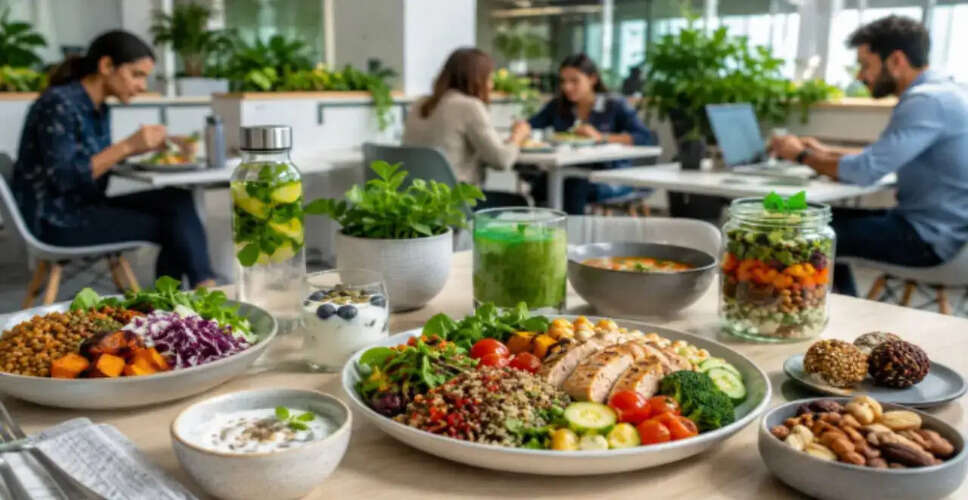

A Health Revolution in Corporate Cafeterias
In today's corporate environment, a significant transformation is taking place in office cafeterias. Employees across various companies in India are opting for healthier meal options, including protein-rich dishes, millet-based foods, and gut-friendly choices, moving away from traditional comfort foods. Experts attribute this trend to an increasing emphasis on preventive health, enhanced productivity, and overall well-being. Sandipan Mitra, the Co-founder and CEO of HungerBox, notes that food selections have emerged as a crucial indicator of employee wellness. He states, "While corporate India has long evaluated employee engagement through surveys, the cafeteria has been a telling sign of well-being all along."
Healthy Options on the Rise
During hectic workdays, employees often resort to sugary snacks, fried items, or eating at their desks. However, as companies invest in wellness initiatives, healthier eating habits are becoming more prevalent. HungerBox's research identifies seven meal categories that are gaining traction among office workers.
Protein-Packed Salads
Salads filled with lean proteins like chicken, tofu, egg whites, quinoa, seeds, and roasted vegetables have become popular lunch choices. These meals provide lasting energy and support muscle health, helping to avoid the post-lunch slump.
Plant-Based and Vegan Options
Meals that emphasize plant-based ingredients, including legumes, vegetables, whole grains, and dairy-free substitutes, are becoming mainstream. Employees are drawn to these choices not only for their health benefits but also for their sustainability.
Millet-Based Dishes
Traditional grains such as ragi, jowar, and bajra are making a comeback, rich in fiber, vitamins, and minerals, and replacing refined grains in many cafeterias.
Gut-Health Focused Foods
More employees are incorporating probiotic-rich foods like yogurt and buttermilk, along with whole grains and seed mixes, to enhance digestive health. The rising awareness of the gut microbiome has made these meals a significant trend in workplace nutrition.
Low-Sugar Options
Desserts and drinks sweetened with natural alternatives like jaggery, dates, honey, and stevia are becoming preferred choices as employees become more mindful of blood sugar levels.
High-Protein Snacks
Snacks such as roasted makhana, sprouts, nuts, Greek yogurt, and protein bars are replacing chips and biscuits, helping employees feel fuller and maintain energy levels during breaks.
Functional Beverages
Fresh juices, smoothies, kombucha, herbal teas, infused water, and protein shakes are increasingly favored over sugary soft drinks, promoting hydration and overall wellness.
The Connection Between Food and Performance
For many professionals, the choice of healthier foods is not merely about dieting; it’s about enhancing work performance. Rahul Mohanto, a Delhi-based professional, shares that lighter, nutritious meals help him maintain focus throughout the day. He states, "I've noticed that my food choices directly affect my work performance. Healthy meals keep me energized, especially when managing meetings and deadlines." Rahul believes this trend reflects a shift in priorities among younger professionals, particularly Gen Z, who are increasingly prioritizing nutrition and preventive health. His go-to office meals include dosa and a pesto black rice bowl.
Beyond Nutrition: The Importance of Movement
While nutritious meals are vital, experts emphasize that physical movement is equally important. Drishti Valecha Batra, a Holistic Nutritionist and Dietitian, points out that prolonged sitting poses significant health risks in the workplace. She advocates for simple changes, such as regular standing, walking meetings, using stairs, and incorporating walking pads under desks. "Nutrition alone isn't sufficient. Our bodies are designed for movement. Regular activity enhances blood circulation, insulin sensitivity, energy levels, focus, and productivity," she advises. Her recommendation is straightforward: stand and stretch every hour, integrate movement into your workday, and aim for at least 5,000 steps daily, gradually increasing over time.