
The Risks of Washing Raw Chicken: What You Need to Know

Understanding the Risks of Washing Raw Chicken
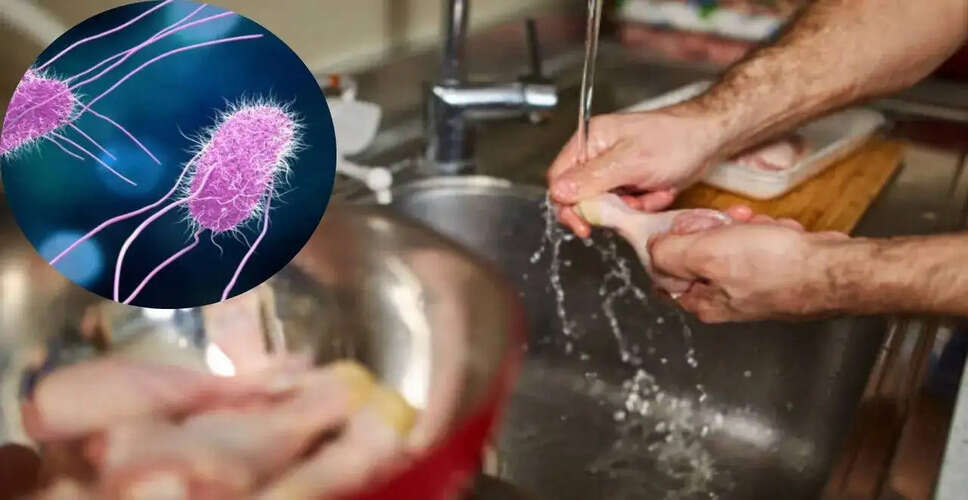
The practice of washing raw chicken before cooking has sparked considerable debate, particularly in Indian households. Food safety experts are now advising against this common practice, highlighting that it may pose more risks than benefits. Authorities such as the World Health Organization and the USDA Food Safety and Inspection Service warn that rinsing raw poultry can lead to increased kitchen contamination rather than ensuring cleanliness.
Why Washing Chicken Can Be Dangerous
Ahana Nazar Hafis, a food safety officer from Qatar, explains that washing chicken can cause bacterial cross-contamination due to splashes of water. Raw chicken is often contaminated with harmful bacteria like Salmonella and Campylobacter. When rinsed under running water, droplets can spread onto nearby surfaces, utensils, and other foods, increasing the risk of foodborne illnesses. Hafis notes, “While chicken from local markets may appear dirty, washing it can spread bacteria. In cases of visible dirt, it’s better to clean it using a bowl of water instead of running water, and to wear gloves during the process.”
When is Washing Chicken Justified?
Despite the warnings, many individuals still feel the need to wash chicken, particularly when it shows visible dirt or feathers. Hafis offers a safer alternative: instead of rinsing under running water, she suggests submerging the chicken in a bowl of still water to minimize splashing and bacterial spread. Additionally, wearing gloves can further reduce contamination risks.
Proper Handling of Raw Chicken
If you find it necessary to clean chicken due to visible debris, adhere to these safety guidelines:
- Utilize a large bowl of water instead of running water.
- Handle the chicken carefully to avoid splashing.
- Wear gloves to prevent direct contact.
- Immediately clean and sanitize all surfaces afterward.
It’s important to note that washing alone does not eliminate harmful bacteria; proper cooking is the only effective method to kill pathogens.
Importance of Cooking Temperature
To ensure food safety, chicken should be cooked thoroughly, reaching an internal temperature of at least 75°C. This temperature effectively destroys dangerous bacteria such as Salmonella and Campylobacter, making the chicken safe for consumption. Using a food thermometer is advisable, especially when preparing larger portions or whole birds. After handling raw chicken, always wash your hands with soap and water for at least 20 seconds, and sanitize cutting boards, knives, sinks, and countertops to prevent bacteria from spreading. Good kitchen hygiene is crucial for all raw foods, as cross-contamination is a leading cause of foodborne illnesses. Understanding the science behind food safety practices is essential; while washing chicken may seem necessary, it can actually heighten health risks if not done correctly. By following expert recommendations and adopting safer handling techniques, you can safeguard yourself and your family from harmful infections.