
The Risks of Ordering Prescription Medications Online: What You Need to Know

Navigating Prescription Medication Purchases Online
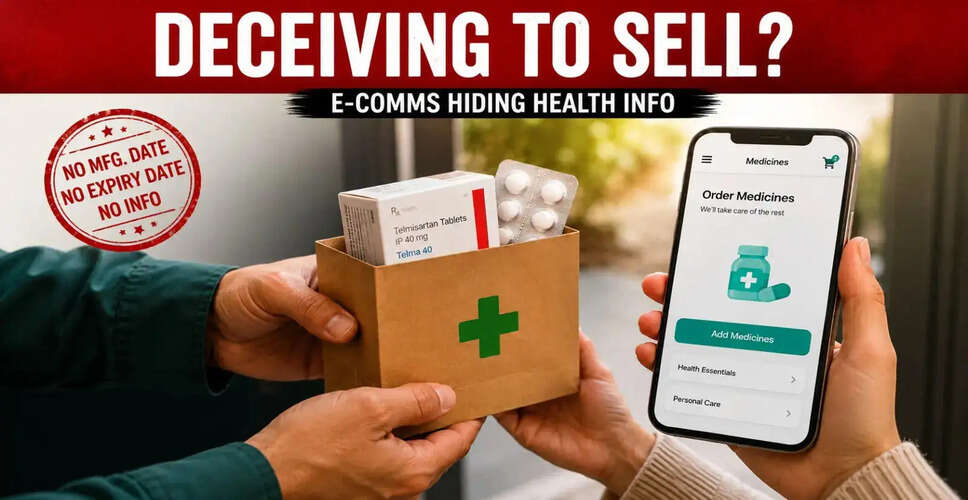
When Ratish Sharma found himself out of his blood pressure medication, Telma 40, he decided to use a well-known quick-commerce app to reorder it. After selecting the medication, he received a notification that an in-house doctor would contact him for verification, advising him to have his prescription ready. Lacking the prescription, he answered a few basic questions during the call, such as his age and duration of medication use. Within moments, his order was approved, and a package of Telma 40 was delivered to his home in under ten minutes. While the platform adhered to its stated procedures, this situation raises critical concerns: Are these verification measures adequate for medications that legally require a prescription? If someone without hypertension were to convincingly respond to those questions, could they easily obtain a prescription-only drug? Can a brief phone call truly replace a thorough medical evaluation that considers a patient's history, kidney function, and current medications? Furthermore, until the medication arrives, there is no way to confirm its condition, packaging, or expiry date.
As quick-commerce platforms extend their services beyond groceries to include healthcare, these questions become increasingly pertinent. The convenience they provide is undeniable, particularly for elderly individuals, those with chronic conditions, and anyone who struggles to visit a pharmacy. However, leading medical professionals emphasize that while access to medications should improve, it is crucial not to overlook the importance of prescription safeguards.
To explore the necessary balance, discussions with physicians and internal medicine specialists reveal the risks associated with purchasing prescription medications online, the significance of expiry dates, and essential precautions for consumers using e-pharmacies and quick-commerce platforms. "Prescription regulations are in place primarily to protect patients by ensuring that medications are used safely and appropriately," explains Dr. Amit Prakash Singh, Consultant - Internal Medicine at CK Birla Hospital in Delhi. He notes that medications like Telma 40 (telmisartan) are prescribed after careful consideration of various factors, including a patient's blood pressure, kidney function, medical history, and other medications they may be taking. "When prescription drugs are dispensed without a proper medical assessment, there is a risk that the individual may receive the wrong medication, incorrect dosage, or use it for an inappropriate condition. This can lead to complications such as dangerously low blood pressure, dizziness, fainting, kidney issues, or harmful interactions with other drugs. Self-medication can also delay the identification of an underlying health issue that requires proper medical attention," he adds.
Dr. Khazi Javeed Irfan, Senior Consultant in Internal Medicine at SPARSH Hospital in Bengaluru, concurs that a prescription is far more than a mere formality. Medications prescribed for chronic conditions often necessitate ongoing monitoring, which a quick verification call cannot adequately assess. "A person may unknowingly take the wrong dosage, mix it with unsuitable medications, or use it despite having kidney disease, low blood pressure, or electrolyte imbalances. Prescription medications require medical oversight because their safety hinges on the patient's overall health, medical history, and follow-up care," he states.
Dr. Ishwar Gilada, a physician and infectious diseases expert based in Mumbai, warns that the risks extend beyond just blood pressure medications. Easy access to prescription drugs can promote self-medication, potentially masking serious health issues, delaying diagnosis, and exposing patients to harmful drug interactions or allergic reactions. He also highlights that unrestricted access to antibiotics contributes to antimicrobial resistance, while prolonged unsupervised use of medications like sleeping pills, anti-anxiety drugs, and opioid painkillers can lead to dependency.
Doctors also stress the importance of checking expiry dates, particularly when ordering medications online. A significant drawback of online purchases is that consumers often lack control over which specific medication strip they receive. Unlike physical pharmacies, where buyers can inspect packaging and expiry dates before purchase, online orders are typically packed and shipped without allowing customers to verify these details. By the time the medication arrives, the transaction is already complete, making it crucial for consumers to examine the packaging before using the medication. While taking an expired medication is unlikely to cause immediate harm in most cases, its effectiveness may be compromised. "Expiry dates indicate the timeframe during which manufacturers can guarantee a medication's safety, quality, and potency when stored correctly," Dr. Amit Prakash Singh explains.
Not all medications behave the same after their expiry. Many tablets and capsules gradually lose potency, but products like insulin, vaccines, biologics, eye drops, nitroglycerin preparations, and reconstituted liquid antibiotics can deteriorate much more quickly and should never be used past their expiry date. Dr. Sufi Roomi, Medical Spokesperson for Jolly Healthcare, advises consumers to always check their medications upon delivery. "Verify the expiry date, batch number, packaging seal, and receipt. Medications with a short remaining shelf life may not be suitable for long-term treatment, while damaged packaging may indicate improper storage," he cautions. Dr. Ishwar Gilada adds that individuals should not panic if they realize they have accidentally taken an expired medication. "Taking an expired medication does not mean you will expire," he reassures. The actual risk depends on the specific medication, how long it has been expired, and how it was stored. However, medications that are critical in emergencies, such as insulin or nitroglycerin, should never be used after their expiry date, as even a slight loss of potency can have life-threatening consequences.
Ultimately, healthcare professionals agree that while quick-commerce and e-pharmacy platforms have revolutionized access to medications, especially for those managing chronic conditions, convenience should never replace clinical judgment. As the speed of medicine delivery increases, experts assert that the systems designed to protect patients must evolve accordingly.