
The Risks of Halting Cholesterol Medication: Understanding the Silent Rebound Effect
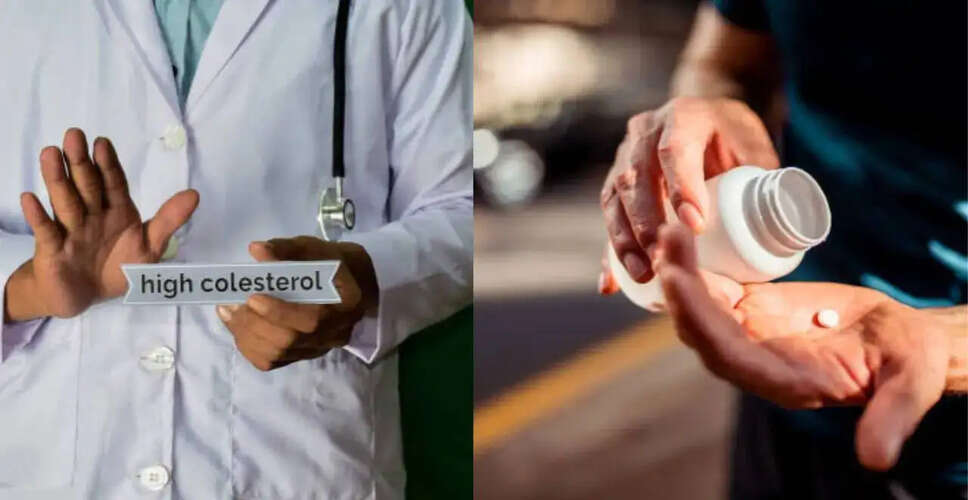

The Dangers of Stopping Cholesterol Medication
Ceasing cholesterol medication prematurely might appear harmless, especially when lab results show improvement and one feels well. However, healthcare professionals caution that this choice can lead to a perilous 'silent rebound,' where levels of LDL, commonly referred to as bad cholesterol, can surge quickly, reversing months of progress and heightening the risk of heart attacks, strokes, and other cardiovascular issues. Professor P. Manokar, a Senior Interventional Cardiologist and Clinical Lead for the Heart Failure & Transplant Program at Kauvery Hospital, emphasizes that stopping cholesterol treatment can swiftly elevate low-density lipoprotein (LDL) levels, negating the benefits achieved over recent months and increasing the likelihood of serious cardiovascular events, even if the individual feels perfectly fine.
Understanding the 'Silent' Nature of Cholesterol Management
Why does cholesterol management feel “silent”?
One of the primary challenges with high cholesterol is its lack of noticeable symptoms. Many individuals mistakenly believe that improved lab results indicate the issue has been resolved. In truth, managing cholesterol is a preventive measure rather than a cure. Even when feeling healthy, the underlying risks may persist. Stopping treatment can disrupt the body's stability, allowing cholesterol levels to rise again, often within a matter of weeks. Dr. Manokar notes that when patients observe positive trends in their reports, they may assume that ongoing treatment is unnecessary, which can lead to a resurgence of risk factors.
Consequences of Discontinuing Cholesterol Medication
What happens when you stop cholesterol medication?
Cholesterol-lowering medications, such as statins, function by decreasing LDL cholesterol and stabilizing arterial plaque. Abruptly halting these medications can trigger several harmful changes:
- Rapid increase in LDL cholesterol levels
- Destabilization of arterial plaques
- Heightened inflammation in blood vessels
Dr. Manokar warns that these changes are often not visible but can significantly elevate the risk of heart attacks and ischemic strokes. This process is typically silent, leading to a dangerous misconception that one is healthy and does not require ongoing treatment.
The Hidden Risks of Plaque Instability
The hidden danger: Plaque instability
Cholesterol plays a crucial role in plaque formation within arteries, a condition known as atherosclerosis. During treatment, these plaques generally become more stable and less prone to rupture. However, discontinuing medication can render these plaques unstable again, increasing the risk of arterial blockage or thrombosis, which can abruptly cut off blood flow to vital organs like the heart or brain, potentially resulting in life-threatening situations.
Why Cholesterol Levels Rebound
Why do cholesterol levels rise again?
The body naturally produces cholesterol, and for many individuals, this production can be heightened due to genetic or metabolic factors. Medications help regulate this process. When treatment is halted:
- The body resumes higher cholesterol production
- LDL levels revert to pre-treatment figures
- The protective effects of therapy diminish
This 'rebound effect' illustrates why discontinuing medication without professional guidance can be hazardous.
Common Reasons for Stopping Treatment
Common reasons people stop treatment
Dr. Manokar points out that many individuals stop cholesterol therapy because they feel healthy after seeing improved reports, have concerns about long-term medication use, or hold misconceptions about cholesterol and heart disease. However, better numbers signify that the treatment is effective, not that it is no longer necessary.
The Importance of Medication and Lifestyle Changes
Medication vs lifestyle: Why both matter
While lifestyle modifications—such as a balanced diet, regular exercise, and weight management—are crucial, they may not suffice for everyone. Individuals at a higher risk of cardiovascular disease often need a combination of medication and lifestyle changes for effective long-term protection. Stopping cholesterol medication prematurely can silently reverse progress and significantly heighten the risk of severe complications. The danger lies in the gradual accumulation of damage, which often only becomes evident after a major event, such as a heart attack or stroke.