
The Risks of Enjoying Buldak Noodles: What You Need to Know

Understanding Buldak Noodles
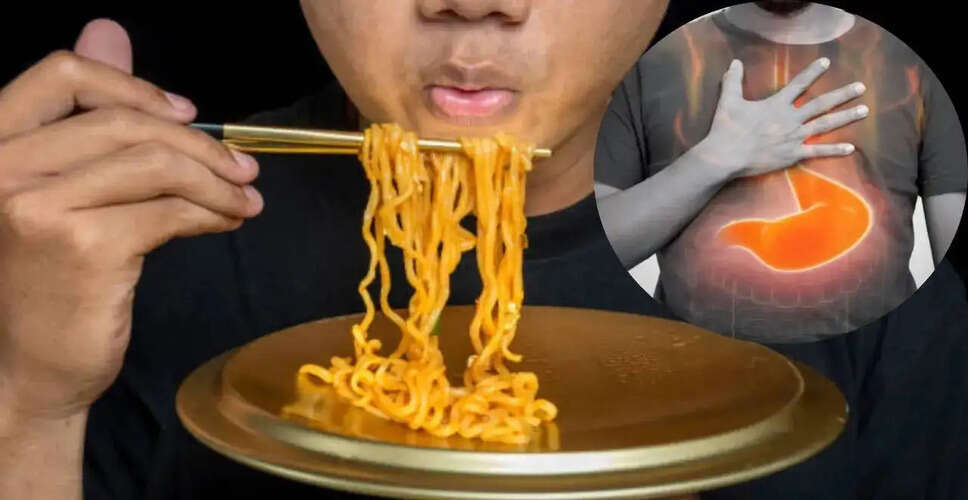
For enthusiasts of Korean Buldak noodles, commonly referred to as “fire noodles,” the popularity of this dish has surged across social media platforms and kitchens worldwide. While many enjoy the thrill of its intense spiciness, health professionals caution that regular consumption may lead to significant digestive issues. Dr. Kunal Sood, a board-certified physician specializing in Anesthesiology and Interventional Pain Medicine, warns that frequent intake can result in severe conditions such as GERD. He noted that individuals with pre-existing issues like GERD, ulcers, or hemorrhoids may experience heightened discomfort due to the spice's effects.
What Makes Buldak Noodles Spicy?
Why are Buldak noodles so spicy?
The spiciness of Buldak noodles is primarily due to capsaicin, a compound found in chili peppers. This substance is responsible for the burning sensation experienced in the mouth and sometimes the stomach. While moderate amounts can offer benefits like boosting metabolism and reducing inflammation, excessive consumption can irritate the stomach and intestinal lining, especially with regular intake.
Impact of Spicy Noodles on Digestion
How do spicy noodles affect your gut?
Frequent consumption of Buldak noodles can lead to various digestive problems:
Acid Reflux and GERD
Spicy foods can relax the lower esophageal sphincter, allowing stomach acid to backflow into the esophagus, resulting in heartburn and discomfort.
Stomach Irritation
The presence of capsaicin can inflame the stomach lining, causing burning sensations or cramps.
Nausea and Diarrhea
High spice levels may accelerate digestion, leading to loose stools or feelings of nausea.
Worsening of Ulcers
For those with existing stomach ulcers, spicy foods can exacerbate symptoms and hinder recovery. Individuals suffering from conditions like GERD, gastritis, or irritable bowel syndrome (IBS) may experience even more pronounced effects.
Scientific Insights on Capsaicin
What does science say about capsaicin?
Studies indicate that capsaicin interacts with pain receptors in the digestive system. While occasional consumption is typically safe, regular exposure to high spice levels can heighten gut sensitivity over time. In essence, while your body may handle spice on rare occasions, daily consumption of spicy noodles is not advisable. Additionally, Buldak noodles are often ultra-processed and high in sodium, saturated fats, and artificial ingredients, which can further complicate digestion and lead to bloating, negatively affecting gut health. Dr. Sood also mentioned that the high sodium content could lead to temporary fluid retention and increased sensitivity in blood pressure for some individuals.
Precautions for Certain Individuals
Who should be extra careful?
It is advisable to limit or avoid spicy instant noodles if you:
- Have GERD or chronic acid reflux
- Suffer from stomach ulcers or gastritis
- Experience frequent bloating or digestive discomfort
- Have hemorrhoids, as spices can exacerbate irritation
Enjoying Noodles Safely
Ways to enjoy noodles safely
You don’t have to eliminate them entirely. Here are some tips to minimize risks:
Limit Frequency
Avoid daily consumption.
Dilute the Spice
Use less sauce or incorporate more vegetables.
Add Protein
Include boiled or scrambled eggs, along with tofu or paneer, to create a more balanced meal.
Stay Hydrated
Drink plenty of water or milk to alleviate irritation.
Listen to Your Body
If you experience discomfort, consider reducing your intake.