
The Rising Threat of Vaping: A Looming Health Crisis in India

Vaping's Popularity Among Youth
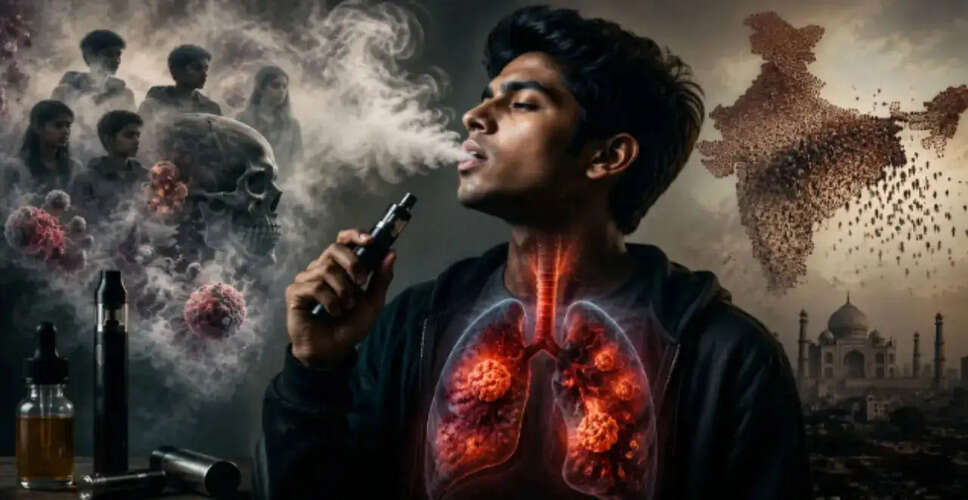
In bustling cafes across South Delhi and co-working spaces in Navi Mumbai, the enticing aromas of mint, mango, and watermelon vapors are prevalent. Young adults and students are often seen using sleek vaping devices, believing they are opting for a healthier alternative to traditional cigarettes. However, Dr. Rajesh Shinde, Director of GI (HPB - Colorectal) and Thoracic Surgical Oncology at Apollo Hospitals, warns that this mindset could be paving the way for a significant cancer crisis in India. He states, “Vaping has outpaced public health warnings, with the industry cleverly marketing addictive substances in appealing flavors and modern designs. The global statistics are alarming and require urgent attention.” Initially marketed as a safer option, vaping has quickly become popular among urban youth in India, with its vibrant packaging and sweet flavors making e-cigarette use commonplace in social settings. Experts caution that these seemingly harmless vapors conceal a dangerous cocktail of nicotine, toxic chemicals, and potential carcinogens.
Concerns Surrounding E-Cigarettes
Why are e-cigarettes concerning?
Global health data indicates that approximately 37 million adolescents aged 13 to 15 are currently using tobacco products, with e-cigarette consumption rising sharply among young people. Major cities in India are experiencing a similar trend. Research conducted among students in Mumbai shows that curiosity, peer pressure, and misconceptions about safety are driving the popularity of vaping, despite its costs and legal restrictions. Dr. Siddharth Turkar, Consultant Medical Oncology at Apollo Hospitals, highlights a significant issue: the widespread lack of awareness regarding the health risks associated with vaping. A survey in Chennai revealed that less than half of young adults understood the cancer risks linked to e-cigarettes. “Many young individuals are unaware of what they are inhaling. The absence of harsh smoke and tar leads them to mistakenly believe these devices are safe,” Dr. Turkar explains.
Emerging Health Risks Linked to Vaping
Early signs of oral cancer linked to vaping
Medical professionals are noting early warning signs of health issues. Research indicates that e-cigarette users among urban Indian youth are significantly more likely to develop leukoplakia, which are white patches in the mouth that can signal early oral cancer. Oncologists warn that ongoing exposure to heated chemicals and nicotine can harm sensitive tissues in the mouth, throat, and respiratory system. Alarmingly, many users do not recognize the potential damage vaping may inflict on their oral health. “Only 15.3 percent of users acknowledged any risk to their oral health,” Dr. Shinde states.
Lung damage and respiratory health risks
The dangers extend beyond oral health. Recent studies have linked vaping to an increased risk of lung cancer and respiratory illnesses. The heated liquids used in vaping release harmful substances that can inflame and weaken airway cells over time. Experts express particular concern for “dual users”—those who both smoke and vape—indicating that this combination significantly raises the likelihood of developing lung diseases and certain cancers compared to smoking alone. “The damage penetrates deeply into the respiratory system, as the heated chemicals gradually deteriorate the cells lining the airways,” Dr. Turkar adds.
Mental and Behavioral Health Implications
The hidden mental and behavioural impact of nicotine addiction
Healthcare professionals are also highlighting the connection between vaping and mental health issues. Nicotine, known for its addictive properties, is increasingly being used by young people as a means to suppress appetite, especially in the context of social media pressures. Large-scale studies have identified links between vaping, anxiety, addictive behaviors, and unhealthy eating habits among adolescents and young adults.
Preventing a Public Health Crisis
Can India prevent a future public health crisis?
Despite the rising concerns, health experts believe there is still a chance for India to avert a larger public health crisis. The Prohibition of Electronic Cigarettes Act prohibits the production, sale, and advertising of e-cigarettes in the country. Awareness initiatives and educational programs in schools have shown promise in altering perceptions about vaping. Experts argue that the solution lies not in fear-based messaging but in providing honest, science-based education. Both Dr. Shinde and Dr. Turkar stress that young people deserve clear information about the effects of vaping on their bodies and the insidious nature of nicotine addiction. With cancer cases on the rise in India, experts caution that neglecting the vaping epidemic today could have dire consequences for future generations.