
The Rise of Incidental Cancer Diagnoses: A New Era in Early Detection

Understanding Incidental Cancer Diagnoses
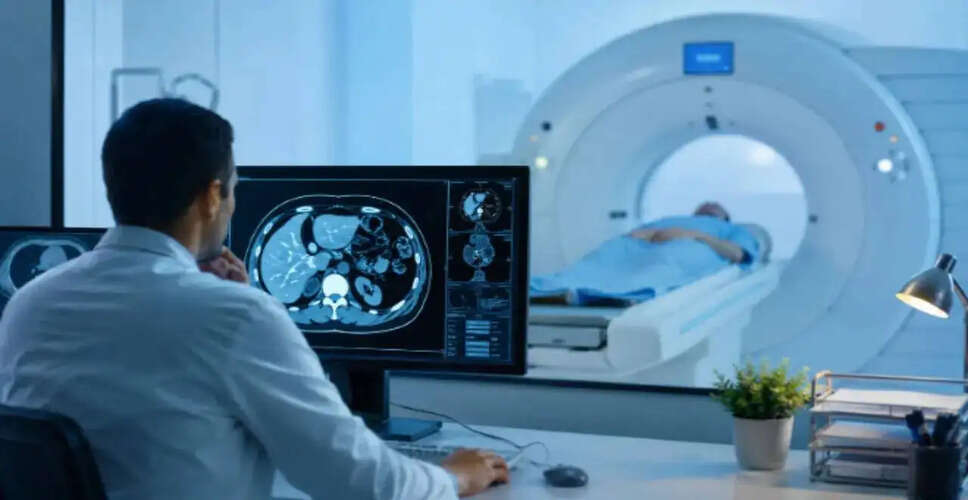
Imagine undergoing a scan for back pain or kidney stones, only to find out you have an early-stage cancer. While this may sound alarming, healthcare professionals indicate that such incidental cancer discoveries are becoming more frequent and can often be life-saving. Dr. Anand Mohan, a Consultant in Surgical Oncology at CK Birla Hospitals in Jaipur, notes that advancements in medical imaging and more regular health check-ups are enabling the detection of cancers well before symptoms manifest, thus providing patients with a significantly improved chance for effective treatment.
“Today, many patients undergo diagnostic tests like CT scans, MRIs, PET-CTs, ultrasounds, or endoscopies for reasons such as abdominal discomfort, kidney stones, or general health assessments. Frequently, these tests uncover cancers at an early stage, which would typically only be diagnosed after symptoms have developed,” he explains.
What Constitutes an Incidental Cancer Diagnosis?
An incidental cancer diagnosis refers to the discovery of a tumor during a medical examination conducted for an unrelated issue. Imaging techniques such as CT scans, MRIs, PET-CTs, ultrasounds, and endoscopies are increasingly revealing hidden cancers that might have otherwise gone unnoticed until they advanced. For instance, a scan requested for abdominal pain or persistent backache may unexpectedly uncover an early tumor in organs like the kidney, thyroid, liver, lung, pancreas, ovary, or colon.
Factors Contributing to Increased Detection of Hidden Cancers
Several factors are contributing to the rise in incidental cancer diagnoses:
- Improved access to high-quality diagnostic imaging
- More frequent preventive health check-ups
- Increased public awareness regarding health
- Advanced imaging technologies that can detect minute abnormalities
Dr. Mohan states, “Historically, many cancers were only diagnosed after symptoms like pain, bleeding, or unexplained weight loss appeared, often when the disease had progressed. Nowadays, early detection allows for treatment to commence before the cancer spreads.”
Benefits of Early Detection
One of the primary benefits of incidental detection is that many cancers are identified at an earlier stage, making treatment more effective and less invasive. Current cancer care includes:
- Minimally invasive surgery
- Targeted therapy
- Immunotherapy
- Precision oncology
These advancements have significantly enhanced survival rates for many early-stage cancers while minimizing treatment-related complications.
Not All Abnormal Findings Indicate Cancer
While unexpected findings can be alarming, experts emphasize that not every abnormality detected on a scan is cancerous. Some lesions may be benign, while others could represent slow-growing cancers that require careful observation rather than immediate intervention. Therefore, further testing is often necessary before making treatment decisions.
Incidental findings should be assessed by a multidisciplinary team, which may include surgical oncologists, radiologists, pathologists, and medical oncologists. This collaborative approach helps determine whether additional imaging, biopsy, monitoring, or treatment is the most appropriate course of action for each patient.
Importance of Regular Cancer Screening
Despite the increase in incidental detections, healthcare professionals warn that this should not replace established cancer screening programs. Routine screenings remain crucial for cancers where strong scientific evidence supports early detection, such as breast cancer, cervical cancer, colorectal cancer, and lung cancer in high-risk individuals.
Individuals with a family history of cancer, genetic predispositions, obesity, smoking habits, or other risk factors should continue with recommended screenings, even if they feel perfectly healthy. Dr. Mohan adds, “While the rise in incidental detection is positive, it should not lead to complacency or a replacement of established screening protocols.”
Receiving a cancer diagnosis after a routine scan can be daunting, but an incidental finding often represents an opportunity rather than a setback. Early detection allows for more treatment options and significantly enhances the likelihood of successful outcomes.