
The Importance of HPV Vaccination for Boys: A Growing Health Concern
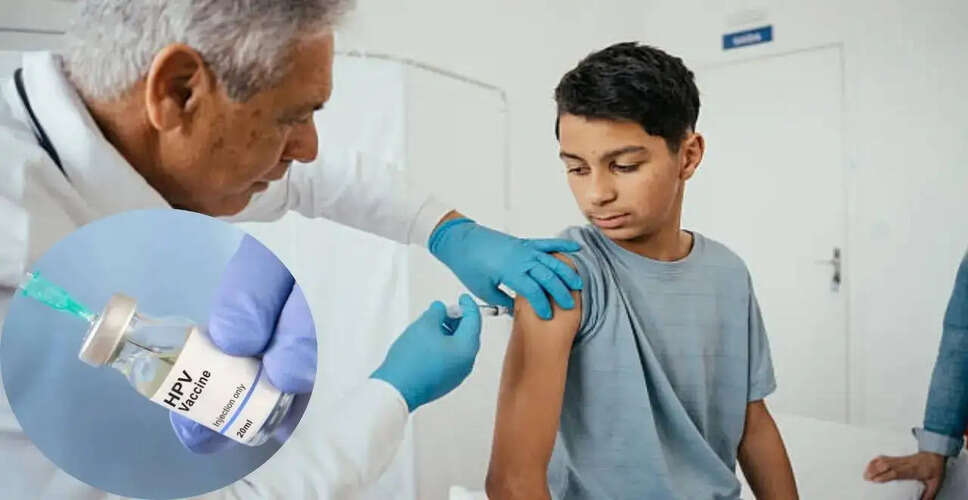

Understanding the Urgency of HPV Vaccination
For many years, the HPV vaccine has been primarily recognized for its role in preventing cervical cancer among females. However, medical professionals are now sounding the alarm about the increasing association of human papillomavirus (HPV) with cancers in males, particularly oropharyngeal cancer, which affects the throat. Experts emphasize that vaccinating boys against HPV is not merely advisable but essential for comprehensive cancer prevention. Dr. Jeyhan Dhabhar, a Consultant Medical Oncologist and Immunotherapy Specialist at Jaslok Hospital and Research Centre, stated, “The virus is widespread, and both genders are likely to encounter it. If we only vaccinate girls, we are addressing only part of the issue. Boys can unknowingly carry and spread the virus, making vaccination crucial.”
What is HPV and Its Significance?
HPV ranks among the most prevalent viral infections globally, with both men and women likely to be exposed at some point in their lives. While many infections resolve independently, certain high-risk strains can lead to severe cancers, including:
- Cervical cancer in women
- Throat cancer in both genders
- Anal cancer
- Penile cancer
In men, the incidence of HPV-related throat cancers is on the rise worldwide, often diagnosed at advanced stages when treatment becomes more challenging.
The Necessity of HPV Vaccination for Boys
Historically, vaccination efforts have concentrated on girls to prevent cervical cancer, leaving a significant gap. Boys can contract and transmit HPV without showing symptoms, facilitating its silent spread. Dr. Dhabhar explains, “If a virus impacts both genders, prevention should encompass both. Families often understand this better through a simple analogy: we don’t vaccinate only one segment of the population against widely circulating infections. The aim is to diminish the overall infection pool. Many parents mistakenly believe boys are at a lower risk, which is not accurate.” He adds, “While the consequences may manifest differently, they can be equally severe. As healthcare providers, we typically encounter patients after the disease has progressed. With HPV, we have a chance to prevent that entire trajectory, which is an opportunity we must seize.”
Benefits of Vaccinating Boys
Direct Protection
Vaccination significantly lowers the risk of HPV-related cancers, particularly throat cancer in men.
Community Protection
It also reduces overall virus transmission, safeguarding both vaccinated and unvaccinated individuals.
Increasing Throat Cancer Risk in Men
A concerning trend is the rise in HPV-related throat cancers among men. Unlike cervical cancer, which benefits from screening programs, throat cancers are often diagnosed late due to subtle early symptoms. This underscores the critical need for vaccination as a preventive measure. Symptoms of oropharyngeal cancer may include:
- Persistent sore throat
- Difficulty swallowing
- Hoarseness
- Unexplained lumps in the neck
By the time these symptoms manifest, the disease may already be at an advanced stage.
Recommended Vaccination Age for Boys
Health authorities advise that boys receive the HPV vaccine typically between the ages of 9 and 14, prior to potential exposure to the virus. Vaccination during this period ensures a robust immune response and optimal protection. For older adolescents and young adults who missed the initial vaccination, catch-up doses can still offer significant advantages.
Dispelling Myths Surrounding HPV Vaccination
A prevalent myth is that boys are at a lower risk. In truth, HPV-related diseases in men are serious and on the rise. Another misconception is that vaccination is only necessary for those who are sexually active. In reality, the vaccine is most effective before any exposure to the virus. Medical professionals emphasize that vaccination is not about lifestyle choices; it is about cancer prevention before it begins. The HPV vaccine stands as one of the most potent tools in modern preventive healthcare. Expanding vaccination to include boys is vital for reducing cancer risk, limiting virus transmission, and safeguarding future generations. Experts note that while we often treat cancer after it develops, HPV presents a rare opportunity to prevent it from starting. Overlooking this chance could have dire consequences.