
The Importance of Early Detection in Childhood Eye Cancer: A Heartbreaking Story
A Life-Changing Diagnosis
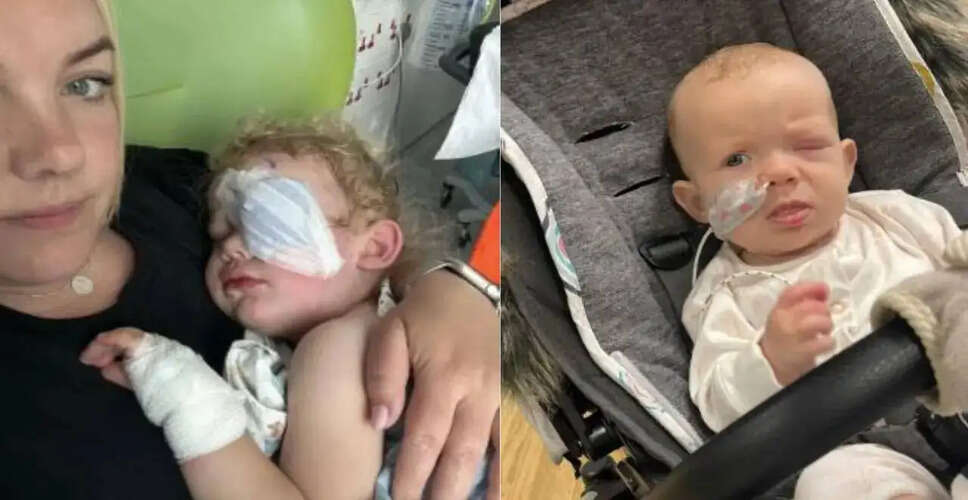
What initially appeared to be a minor issue with eye discharge transformed into a significant health crisis for a young girl named Maggie Salt, who is now four years old. After early signs were mistakenly regarded as typical, she was ultimately diagnosed with retinoblastoma, a rare and severe form of eye cancer affecting children. As reported by a news outlet, Maggie's mother, Jennifer, first noticed something unusual with her daughter's left eye shortly after birth. Despite reassurances from paramedics, Jennifer's worries grew when she observed a beige glow in Maggie's eye. Following several medical consultations, an ultrasound revealed a concerning cloud-like formation in the eye.
Missed Early Warning Signs
Missed Early Warning Signs
Medical professionals indicate that the beige or white glow in the eye, known as leukocoria, is a critical warning sign of retinoblastoma, yet it often goes unnoticed or misinterpreted. As Maggie developed, she exhibited additional symptoms, including:
- Difficulty focusing
- Persistent swelling of the eye
- Abnormal reflections in the pupil
These symptoms ultimately prompted further medical evaluations.
Understanding Retinoblastoma
Understanding Retinoblastoma
An ultrasound confirmed the presence of a cloud-like mass in Maggie's eye, leading to a diagnosis of bilateral retinoblastoma, affecting both eyes—Grade B in the right and Grade E in the left. This rare cancer primarily targets children under five, developing in the retina and potentially spreading rapidly if not treated promptly. According to medical sources, retinoblastoma is uncommon, with approximately 3.3 cases per million individuals under 20 years old. In the United States, there are just over 300 new cases each year, with nearly 9,000 cases reported globally.
Recognizing Other Symptoms
Recognizing Other Symptoms
Retinoblastoma typically occurs in children before they can communicate verbally, but there are additional signs that may indicate its presence, such as:
- Eyes that struggle to follow movement or do not follow at all
- Misaligned eyes
- Eye pain
- One eye appearing enlarged and bulging
- Blood in the front chamber of the eye
- Infection, swelling, and inflammation around the eye, known as orbital cellulitis
Treatment Journey and Challenges
Treatment Journey and Challenges
At just four months, Maggie began chemotherapy to reduce the tumors. Although the treatment helped manage the cancer, her left eye deteriorated to the point where it had to be surgically removed to save her life. Despite facing further complications, including issues with implants and cyst formation, Maggie displayed incredible resilience throughout her treatment. There was also a concerning moment when a mass was found near her brain, which was later confirmed to be a cyst rather than cancer.
The Importance of Early Detection
The Importance of Early Detection
Maggie's experience serves as a vital reminder that seemingly minor symptoms can indicate serious health issues. Early detection of retinoblastoma greatly enhances treatment outcomes and can preserve both vision and life. Experts advise parents to be vigilant for signs such as:
- White or unusual glow in the eye, particularly in photographs
- Persistent redness or discharge
- Vision difficulties or lack of focus
- Swelling or misalignment of the eye
Despite being referred for urgent care, Maggie's family encountered delays in accessing specialist treatment. It was only through persistent follow-ups that she received the necessary medical attention. This highlights the significance of trusting parental instincts, seeking second opinions when symptoms persist, and acting swiftly on unusual signs.