
The Importance of Early Cholesterol Screening for Heart Health

Understanding Cholesterol and Heart Disease
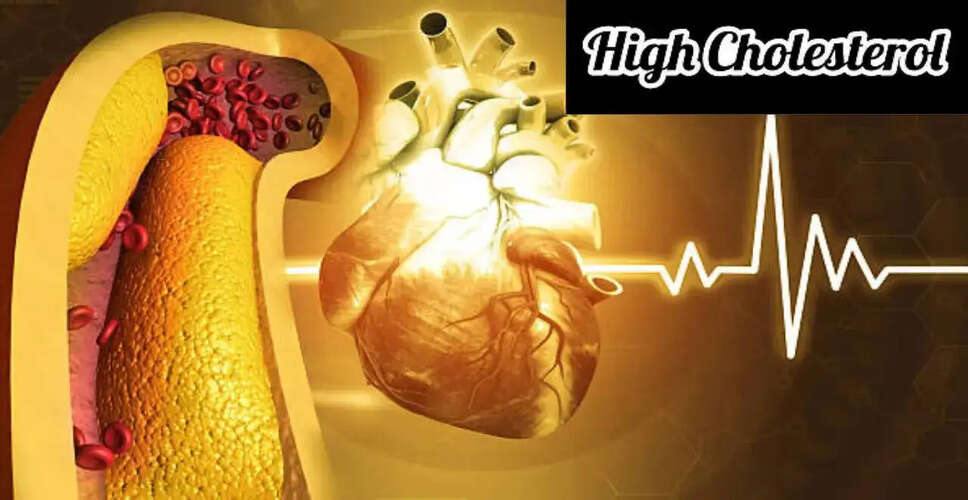
Globally, heart disease is the primary cause of mortality, with high cholesterol being a significant contributing factor. Contrary to the common belief that cholesterol issues arise only in middle age, recent guidelines from the American College of Cardiology (ACC) and the American Heart Association (AHA) advocate for earlier cholesterol screenings and more proactive management of LDL, often referred to as 'bad cholesterol.' This is crucial as the accumulation of plaque in arteries can begin as early as the teenage years.
Why Early Cholesterol Screening is Crucial
Why Early Cholesterol Screening is Crucial
Statistics from the American Heart Association reveal that 25% of adults in the U.S. have elevated LDL cholesterol levels. This type of cholesterol leads to the development of fatty deposits in blood vessels, which can narrow arteries and heighten the risk of heart attacks and strokes. Experts liken cholesterol buildup to rust forming in a pipe, a gradual and often unnoticed process that can occur long before any symptoms manifest. Therefore, it is vital for individuals to monitor their cholesterol levels from a younger age.
What Constitutes a Healthy LDL Cholesterol Level?
What Constitutes a Healthy LDL Cholesterol Level?
For most adults, a target LDL cholesterol level should be below 100 mg/dL. However, individuals with diabetes, pre-existing heart conditions, or multiple cardiovascular risk factors may need to aim for even lower levels. Regular cholesterol screenings enable healthcare providers to detect high-risk patients early and suggest lifestyle modifications or medications to prevent irreversible artery damage.
The Role of Diet and Genetics
The Role of Diet and Genetics
Many people mistakenly believe that consuming fatty foods is the sole reason for elevated cholesterol levels. In reality, genetics play a more significant role than often acknowledged. Experts indicate that only about 25% of the cholesterol in the body is derived from dietary sources, while the liver produces approximately 75%. Consequently, even those who eat healthily and exercise regularly may experience high cholesterol due to genetic predispositions. While it remains essential to limit saturated fats, avoid trans fats, increase fiber intake, maintain a healthy weight, and engage in regular exercise, some individuals may still need medication to achieve optimal cholesterol levels.
Advancements in Cholesterol Treatments
Advancements in Cholesterol Treatments
Modern approaches to cholesterol management now encompass more than just traditional statin medications. Healthcare providers have access to:
- Statins that inhibit cholesterol production in the liver
- Non-statin oral medications that further decrease LDL cholesterol
- Injectable therapies that can lower LDL levels by 20% to 60%, depending on the treatment and patient condition
Preventing Heart Disease
Preventing Heart Disease
Experts estimate that up to 80% of cardiovascular diseases can be prevented through early detection and management of risk factors. Simple preventive strategies include:
- Regular cholesterol screenings
- Adopting a heart-healthy diet
- Engaging in at least 150 minutes of exercise weekly
- Maintaining a healthy weight
- Avoiding tobacco use
- Managing diabetes and hypertension
- Taking prescribed cholesterol-lowering medications