
The Importance of Breast Milk Donation: A Personal Journey
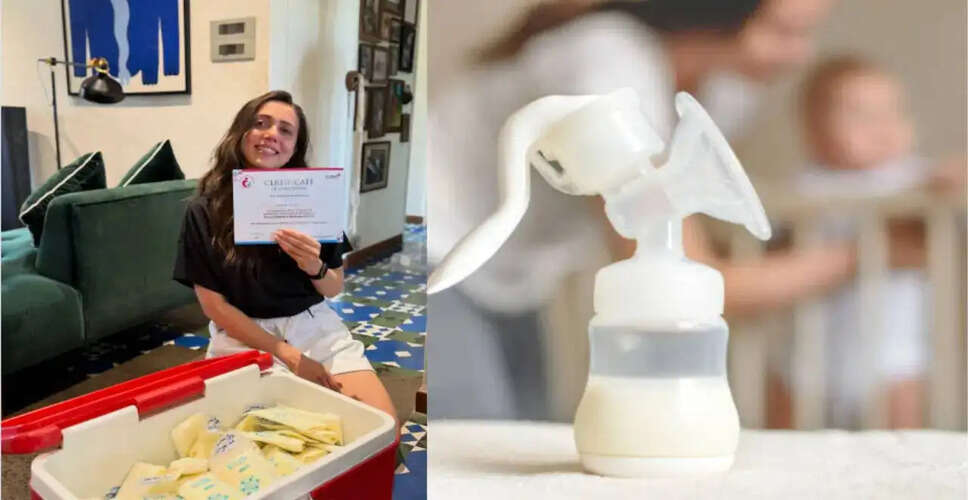

A Heartfelt Donation by Jankee
Jankee, the wife of television actor Nakuul Mehta, recently touched the hearts of social media users by sharing her emotional experience of donating 90 packets of stored breast milk to a milk bank. In her Instagram post, she expressed, “Yesterday, I donated 90 packets of my stored breast milk as my first contribution to the milk bank, and I truly wasn’t ready for the wave of emotions it brought.” She continued, “Since Rumi's birth, I have pumped milk every day, often while feeling exhausted and half asleep. I always held onto the hope that my baby might need it someday.” Her heartfelt message has ignited discussions about the significance of breast milk donation and the role of human milk banks in supporting premature and critically ill newborns.
The Significance of Donated Breast Milk
Why is Donated Breast Milk Essential?
Medical professionals highlight that donor human milk is crucial for preterm infants, those with low birth weight, and newborns recovering from surgical procedures. Breast milk is rich in antibodies, proteins, enzymes, and essential nutrients that bolster immunity and promote healthy development. Experts note that many donor mothers are those whose babies remain hospitalized for extended periods due to prematurity. Donor milk is often favored over infant formula for high-risk newborns as it lowers the chances of infections and severe intestinal issues.
Understanding the Donation Process
How is Breast Milk Donated?
Healthcare providers stress that the process of donating breast milk adheres to stringent medical and hygiene standards to ensure safety. Mothers must undergo screening for infections, including hepatitis B and HIV, before they can donate. Only those with an excess milk supply after nursing their own babies are eligible to contribute. Donor mothers are also guided to follow strict hygiene protocols while expressing milk, which includes thorough handwashing, sterilizing pumping equipment, using designated breast milk storage bags, and freezing the milk immediately after collection. The frozen milk is then collected while maintaining a proper cold chain and safely transported to the milk bank.
Inside a Human Milk Bank
What Occurs at a Milk Bank?
Once at the milk bank, the donated milk undergoes multiple safety evaluations before being given to infants. Initially, the milk is pasteurized in a specialized unit to eliminate harmful bacteria while retaining vital nutrients. It is then microscopically examined for sterility and cultured to confirm the absence of bacterial contamination. After passing these tests, the milk is refrozen and securely stored until required. Hospitals typically prioritize donor milk for premature infants, small-for-gestational-age (SGA) babies, critically ill newborns, and those recovering from surgery. Additionally, donor milk may be supplied to facilities lacking their own milk banking services, but only with a physician's prescription.
The Emotional Connection to Stored Milk
Why Do Mothers Feel Attached to Their Milk?
Jankee’s poignant post resonated with many mothers, as breast milk often symbolizes months of dedication, sleepless nights, recovery, and nurturing. She reflected, “I had no idea these little milk bags carried so much emotion for me. For me, it was never just milk; it represented discipline, effort, and love.” Health professionals indicate that this emotional bond is quite common among lactating mothers, particularly those who pump daily while managing exhaustion and postpartum recovery.
How to Get Involved in Milk Donation
Steps to Donate Breast Milk
Women interested in donating breast milk can reach out to certified human milk banks or hospitals with neonatal intensive care units (NICUs). It is advisable to consult with a lactation consultant or pediatrician first to understand eligibility criteria, storage guidelines, and screening processes.