
The Impact of Vaccination on Public Health: Protecting Generations
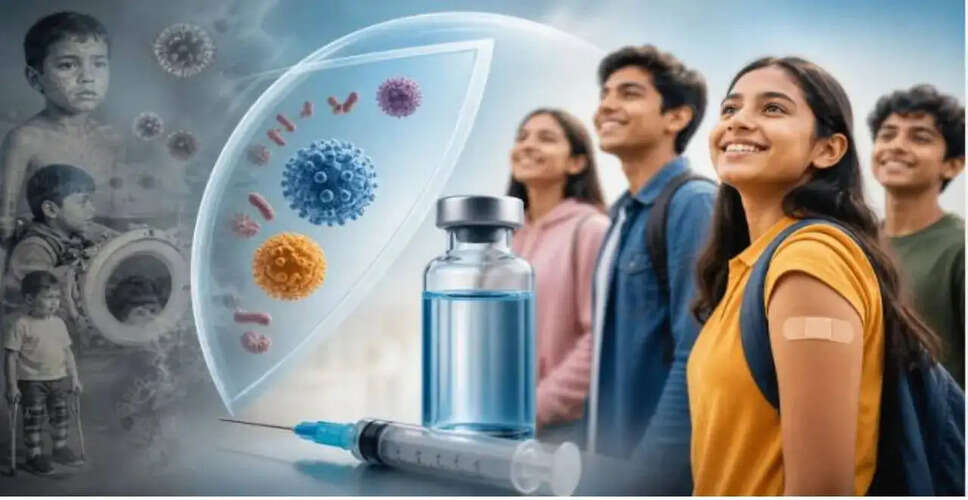

Transforming Health Through Vaccination
Throughout history, infectious diseases have significantly influenced human populations, leading to widespread mortality and anxiety. In contrast, many of these once-feared illnesses are now seldom encountered, particularly among Generation Z. Even when infections do occur, they tend to be less severe than in the past. Experts attribute this positive shift to extensive global vaccination initiatives. Vaccines have revolutionized public health, saving countless lives and alleviating the burden of infectious diseases globally. Gaurav Verma, Chief Business Officer at PharmEasy (API Holdings), stated, "Vaccination is one of the most effective, evidence-based strategies in preventive healthcare. It plays a vital role in reducing the impact of infectious diseases and their complications by enhancing awareness of vaccine-preventable illnesses and improving access to essential immunization services."
Vaccines Shielding Gen Z from Diseases
Major Illnesses Prevented by Vaccination
Let’s explore some significant diseases that have been largely eliminated for Gen Z due to vaccination efforts.
Smallpox: The First Eradicated Disease
Smallpox was historically one of the most lethal diseases, claiming millions of lives. Thanks to a global vaccination campaign, it was declared eradicated in 1980, making it a disease that younger generations only read about in history.
Polio: Near Elimination
Polio once caused paralysis in thousands of children annually. The introduction of effective vaccines in the mid-20th century led to a dramatic decline in cases. Although not completely eradicated, polio is now limited to a few regions, making it rare for most of the global population.
Measles: A Childhood Threat
Before the vaccine was available, measles outbreaks were common and often deadly, especially for children. Since the vaccine's introduction in 1963, global cases have significantly decreased, although sporadic outbreaks still occur in areas with low vaccination rates.
Mumps: Less Common Today
Mumps caused painful swelling and complications like hearing loss. The MMR (measles, mumps, rubella) vaccine has greatly diminished its occurrence, making it rare among vaccinated individuals.
Rubella: Safeguarding Mothers and Infants
Rubella, or German measles, posed serious risks during pregnancy, leading to miscarriages and congenital disabilities. Vaccination has significantly lowered the incidence of rubella, protecting millions of newborns from lifelong health issues.
Hepatitis B: Preventing Chronic Illness
Hepatitis B can result in chronic liver disease and cancer. Since the vaccine's introduction in the 1980s, infection rates have plummeted, especially in countries with robust immunization programs.
Haemophilus influenzae type b (Hib): A Hidden Danger
Haemophilus influenzae type b was responsible for severe illnesses like meningitis in children. Vaccination has significantly reduced its prevalence, preventing thousands of deaths and disabilities each year.
Tetanus: A Preventable Condition
Tetanus, caused by bacteria entering wounds, can lead to severe muscle stiffness and can be fatal. Although the bacteria are still present in the environment, vaccines have made tetanus rare in many regions.
The Importance of Vaccination
Why Vaccination Matters
Despite the successes achieved, the importance of vaccines cannot be overstated. Diseases like measles and polio could re-emerge if vaccination rates decline. Public health experts emphasize the necessity of maintaining high vaccination coverage to avert outbreaks and safeguard vulnerable populations. The fact that Generation Z has grown up without experiencing these deadly diseases is a remarkable triumph of modern medicine. Vaccines have not only reduced illness but have also transformed the concept of living a healthy life.