
The Impact of Blue Light Glasses on Sleep and Athletic Performance
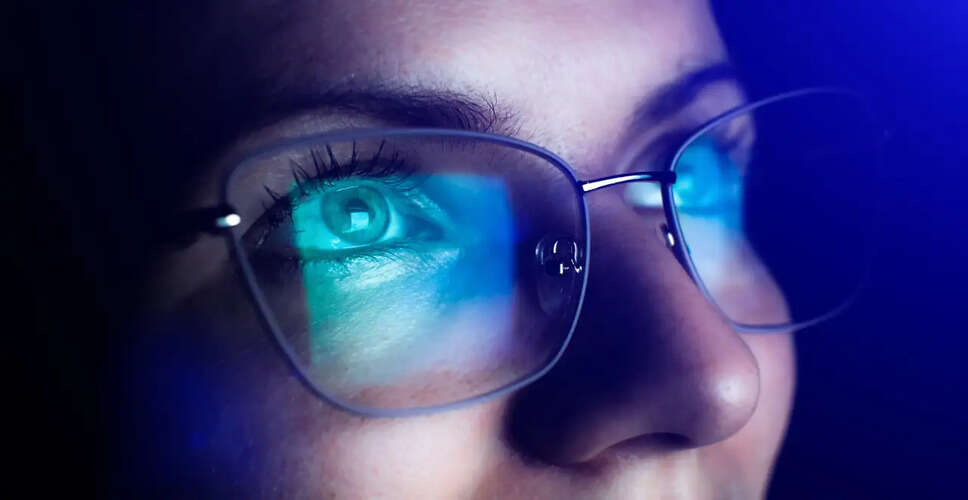

Introduction to Blue Light Glasses
Recently, social media has been buzzing with images of football sensation Erling Haaland sporting orange-tinted glasses before bedtime. This trend has ignited interest in blue light glasses, prompting questions about whether these unique lenses contribute to superior athletic performance or are merely a passing wellness trend. Haaland emphasizes the significance of sleep in his performance strategy, reportedly donning blue light-blocking glasses for several hours prior to sleep as part of a meticulously crafted evening routine. He is not alone; numerous athletes, from Olympians to NBA stars, recognize the value of safeguarding their sleep, as recovery occurs during rest, not just in training.
Understanding Blue Light
What is Blue Light?
Blue light is a visible light spectrum emitted by the sun, which is beneficial during daylight as it enhances alertness, concentration, and regulates the circadian rhythm. However, the issue arises at night when devices like smartphones, laptops, and televisions emit blue light. Prolonged exposure to these screens in the evening can hinder melatonin production, the hormone responsible for signaling sleep. Consequently, many individuals struggle to fall asleep, particularly after extensive screen time.
Blue light glasses are crafted with lenses that filter out certain blue wavelengths before they reach the eyes. The premise is straightforward: by minimizing blue light exposure in the evening, the brain receives a clearer signal that night has arrived, facilitating natural melatonin production. For athletes like Haaland, improved sleep translates to enhanced recovery, as deep sleep is crucial for muscle repair, energy restoration, immune strengthening, and skill consolidation. Even slight enhancements in sleep quality can lead to quicker recovery, improved reaction times, and superior performance.
Do Blue Light Glasses Benefit the Average Person?
Potential Benefits for Everyday Users
While blue light glasses may offer some advantages, they are not the miraculous solution often portrayed on social media. For individuals who spend significant time on laptops or mobile devices before bed, these glasses might mitigate the effects of evening screen exposure. Some users report quicker sleep onset after incorporating them into their nighttime routine. However, scientific evidence remains inconclusive, with comprehensive reviews indicating that blue light glasses do not consistently enhance sleep or alleviate digital eye strain for everyone. Their effectiveness appears to be maximized when combined with other healthy sleep practices rather than being relied upon as a standalone remedy.
It's important to note that blue light glasses are just one aspect of an athlete's recovery regimen. Elite athletes typically adhere to consistent sleep schedules, avoid heavy meals before bedtime, engage in regular exercise, limit late-day caffeine intake, and create a conducive sleep environment. The glasses serve to complement these habits rather than replace them.
Should You Invest in Blue Light Glasses?
Evaluating the Purchase
If your evenings are heavily influenced by screen time, trying blue light glasses one to three hours before sleep could be beneficial, especially if late-night device use keeps you awake. Generally safe to use, many individuals find them helpful. However, if you expect them to revolutionize your sleep while continuing to scroll on your phone until the early hours, disappointment may follow. The most effective sleep advice remains timeless: dim the lights, put away devices at least an hour before bed, maintain a regular sleep schedule, and signal to your brain that it's time to unwind. While blue light glasses can provide an additional boost, they are most effective as part of a comprehensive approach to sleep hygiene. Haaland's trendy eyewear may appear advanced, but the key takeaway from his routine is the critical importance of prioritizing sleep consistently.