
The Hidden Struggles of Motherhood: Stress and Sleep Deprivation Impacting Health

The Reality of Motherhood
Motherhood is frequently portrayed as a beautiful and transformative experience. However, beneath the surface lies a different truth that many women endure in silence—sleepless nights, relentless stress, fatigue, and a body that begins to show the toll of prioritizing others' needs.
Insights from Recent Research
What The Study Reveals
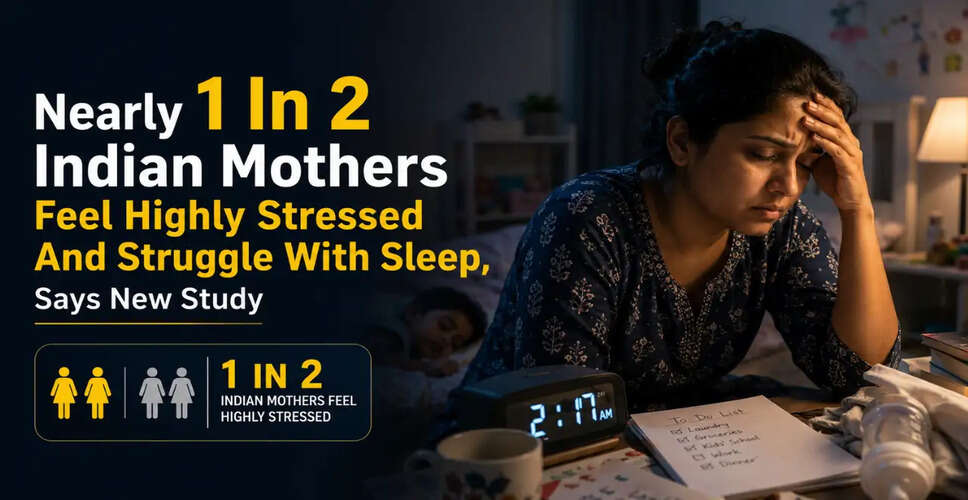
A recent study conducted by Traya Health, an Indian hair care brand focused on science, has quantified these challenges. The research involved 76,727 mothers across India, including those who are pregnant, breastfeeding, or have children under one year old. The results indicate that stress and inadequate sleep significantly impact mothers nationwide. Over 53% reported experiencing disrupted sleep, with many waking multiple times at night, getting less than five hours of rest, or struggling to fall asleep entirely. Only 31.57% described their sleep as restful.
The emotional toll is equally concerning, with nearly 47.35% of mothers identifying as 'very stressed', feeling tense several times a week or almost daily, which adversely affects their mood, concentration, and sleep. Additionally, 34.54% acknowledged experiencing regular stress but attempt to manage it.
This study links these daily challenges to a common issue many women face post-childbirth: persistent hair loss. While postpartum hair shedding is typical due to hormonal shifts after delivery, the findings suggest that this issue can extend well beyond the initial months. Factors such as sleep deprivation, chronic stress, and nutritional deficiencies can maintain the body in a state of imbalance, hindering hair growth and overall recovery.
During pregnancy, estrogen levels rise, making hair appear fuller and healthier. However, after childbirth, these hormone levels drop sharply, leading many hair strands to enter a shedding phase known as postpartum hair fall. The study indicates that ongoing stress, lack of sleep, and physical fatigue can transform this temporary condition into a long-term problem.
The report illustrates a broader narrative of contemporary Indian motherhood, where women juggle childcare, professional responsibilities, household tasks, and emotional labor, often neglecting their own health.
Understanding the Overwhelm
Why Are Mothers Overstressed?
Saloni Anand, Co-Founder of Traya Health, shared that the brand receives similar accounts from countless women each month. “At Traya, we hear from thousands of Indian mothers every month, and the pattern is always the same. Hair fall that began after delivery never quite stopped,” she explained. “It is not just about her hair. It is about the sleep she lost, the stress she's been carrying, and the years she has spent looking after everyone except herself.”
The study also emphasizes that stress related to motherhood does not simply vanish after the newborn phase. Instead, it evolves, transitioning from sleepless nights with infants to managing school responsibilities, work pressures, and caregiving duties as children grow. Experts assert that sleep, emotional health, and nutrition are vital for recovery after childbirth. Hair follicles, like other body systems, require rest, repair, and proper nourishment to thrive. When stress becomes chronic and rest is scarce, the physical manifestations often become evident.
Ultimately, the study underscores that the focus should not solely be on beauty but rather on women's health. It serves as a reminder that behind every mother striving to maintain balance, there is an individual whose body and mind may be silently pleading for attention and care.