
The Hidden Dangers of Alcohol Consumption: What You Need to Know

Understanding Alcohol's Impact on Health
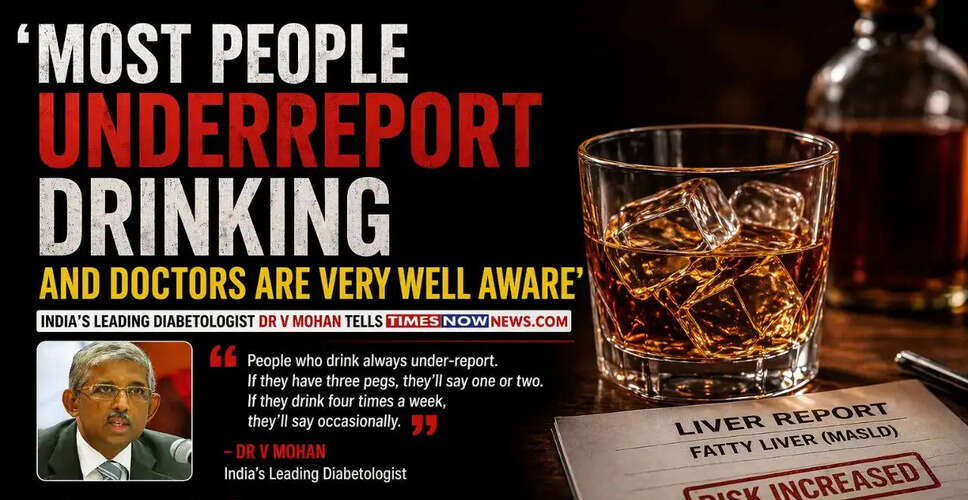
Many individuals may not fully disclose their drinking habits to their healthcare providers, a common observation noted by leading diabetologist Dr. V Mohan. He points out that patients often downplay their alcohol intake, claiming they consume less than they actually do. This tendency mirrors the behavior of smokers who also tend to underreport their habits. However, the more alarming issue is the persistent misconceptions surrounding alcohol consumption.
For years, various myths have surrounded drinking, such as the belief that a single peg of scotch helps one relax, that beer is negligible, or that red wine is beneficial for heart health. However, scientific research has consistently shown that no level of alcohol consumption is truly safe. Whether it's a small amount or social drinking on weekends, alcohol can severely impact overall health. For those with existing conditions like diabetes or hypertension, the risks are even greater, as what may seem like a harmless indulgence can actually increase metabolic stress.
One of the most enduring myths is that red wine is heart-healthy, a notion stemming from observations in regions like Bordeaux, France. Dr. Mohan clarifies that this belief is misleading. The residents of Bordeaux do not solely consume red wine; they also adhere to a Mediterranean diet rich in olive oil, fruits, vegetables, nuts, and whole foods, which contributes to their overall health. Their lower obesity rates and higher physical activity levels play a significant role, indicating that it is not just the wine that promotes health, but their entire lifestyle.
Dr. Mohan emphasizes that the perceived benefits of red wine may not be due to the wine itself but rather the healthy lifestyle choices accompanying it. In India, research, including Dr. Mohan's own studies, reveals a starkly different reality. Even minimal alcohol consumption has been linked to adverse health effects, with risks increasing alongside the amount consumed.
One critical area of concern is liver health. Metabolic dysfunction-associated steatotic liver disease (MASLD), formerly known as fatty liver, is prevalent even among non-drinkers. The introduction of alcohol exacerbates the situation, leading to a dual pathway of liver disease—both metabolic and alcoholic. This combination accelerates the progression towards cirrhosis.
Dr. Mohan notes that MASLD has become the leading cause of liver disease in his practice. Interestingly, many women who do not drink still develop fatty liver due to metabolic issues. Among men, a significant number of liver disease cases are unrelated to alcohol consumption. However, this does not imply that alcohol is harmless; rather, it intensifies an existing problem. Even those who believe they only drink on weekends should be aware that their consumption still contributes to health risks.
The reality is that healthcare providers are not solely dependent on patient self-reports. Medical tests, behavioral patterns, and physical health indicators reveal the truth. If you think you can downplay your drinking habits without consequences, remember that healthcare professionals are likely aware of the full picture.