
The Dangers of Self-Diagnosis in the Digital Age

Understanding the Shift in Healthcare
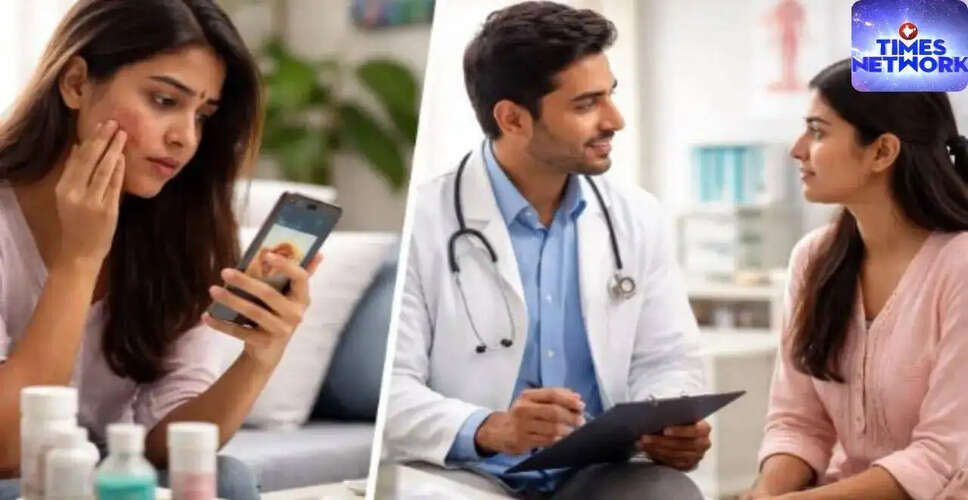
In the current era where digital resources dominate healthcare, an increasing number of individuals are opting for online searches, home remedies, and AI applications to interpret their symptoms prior to consulting a healthcare professional. While this trend indicates a rise in health awareness, experts express concern that self-diagnosis is becoming a significant factor in delayed treatments, misdiagnoses, and escalating health risks. Vineet Aggarwal, Group COO of Paras Health, stated, “Relying heavily on fragmented or context-free information can lead to misunderstandings, postponed consultations, and improper self-management. Clinical judgment and expertise are essential for healthcare decisions, and relying solely on incomplete data can be hazardous.”
The Popularity of Online Symptom Checkers
The rise of Dr. Google and ChatGPT
Searching for symptoms online has become a common practice, with many seeking quick answers for queries like “early cancer symptoms,” “skin rash treatments,” or “signs of diabetes.” However, having access to information does not guarantee accurate comprehension. Often, incomplete or misinterpreted data leads individuals to postpone doctor visits, select inappropriate treatments, or overlook critical warning signs. Even platforms like ChatGPT allow users to input their symptoms and receive varied responses, which can mislead them regarding their health conditions. Medical professionals warn that this trend is contributing to late diagnoses of serious illnesses in India, including life-threatening conditions such as cancer, diabetes, and heart disease. Dr. Gaurav Garg, a Consultant Dermatologist, noted, “While health information is more accessible than ever, accurately interpreting it remains challenging. What appears to be a simple rash could be indicative of a more serious issue.”
Concerning Statistics on Late Diagnoses
Alarming data on late diagnosis
Recent findings from the National Family Health Survey (NFHS-5), the Indian Council of Medical Research, and The Lancet reveal significant deficiencies in early detection of diseases. The data indicates that only 1.9% of women have undergone cervical cancer screenings, with breast and oral cancer screenings at a mere 0.9%. India ranks third globally in cancer cases, with nearly 60% of cancer patients succumbing to the disease, highlighting a critical mortality rate. Experts indicate that diagnostic delays can range from 6 to 12 months, allowing diseases to advance to stages where treatment becomes more complex and expensive. Aggarwal remarked, “India’s healthcare system has historically been reactive, with patients often seeking help only after symptoms escalate. This leads to late-stage diagnoses, diminishing the likelihood of successful treatment and significantly raising healthcare costs for families.”
The Risks of Self-Diagnosis
Why is self-diagnosis risky?
Relying on online information can be misleading, particularly for conditions that share similar symptoms. For example, acne may be mistaken for rosacea or allergies, mild chest pain could indicate serious heart issues, and fatigue might be linked to diabetes or other chronic illnesses. Dr. Garg warns that combining various home remedies or following online advice can lead to:
- Damage to the skin barrier
- Allergic reactions
- Worsening of existing conditions
“What seems innocuous can lead to irritation where none existed before. The skin barrier may weaken under such circumstances, and sometimes the discomfort intensifies. Unexpected reactions can emerge subtly at first, then become impossible to ignore. When this occurs, obtaining appropriate care later can take much longer than necessary,” Dr. Garg explained.
Limitations of Online Tools
What all do online tools miss?
While AI tools and search engines can provide quick insights, they lack the clinical judgment and context that healthcare professionals offer. A doctor will take into account your medical history, lifestyle factors such as diet, sleep, and stress, family history, and risk factors, along with conducting necessary diagnostic tests and imaging. This thorough approach ensures accurate diagnoses and tailored treatments, which online platforms cannot replicate.
The Importance of Preventive Healthcare
The growing need for preventive healthcare
Experts are advocating for a transition from reactive to preventive healthcare. Early detection through regular screenings can significantly enhance outcomes for conditions like cancer, diabetes, hypertension, and other cardiovascular diseases. To facilitate this, numerous hospitals are organizing free screening camps, cancer consultations, and AI-enabled diagnostics in various cities. While utilizing the internet for health awareness is beneficial, it should serve as a guide to consulting a doctor rather than a replacement. Always verify information from reliable sources, refrain from self-medicating based on online advice, seek professional assistance for persistent symptoms, and prioritize regular health check-ups.