
The Dangers of Reheating Rice: Food Safety Tips You Need to Know
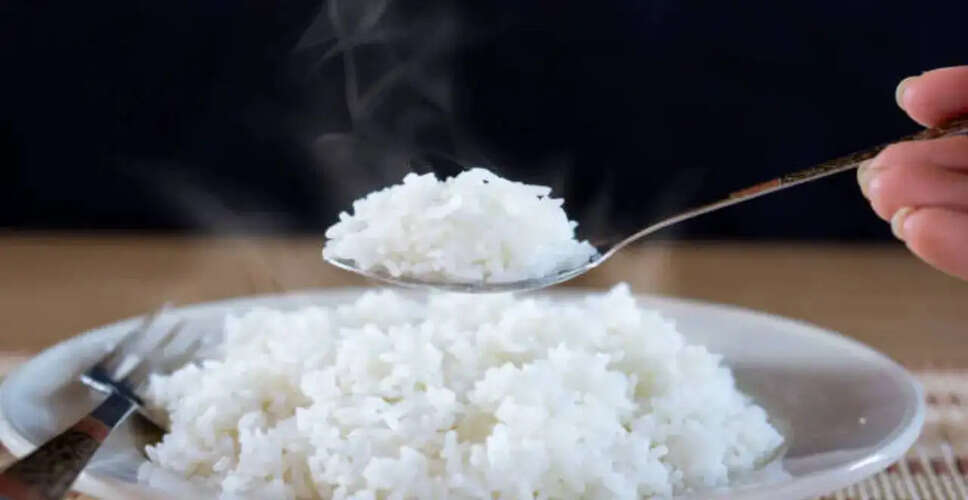

Understanding the Risks of Reheated Rice
Rice serves as a fundamental food item in countless households globally. In nations like India, it is frequently prepared in large batches and stored for future meals. However, experts warn that improper storage of cooked rice can lead to serious foodborne illnesses. By recognizing the risks and adhering to proper food safety guidelines, families can safeguard themselves against potential health issues. Dr. Balaji G, a Senior Consultant in Medical Gastroenterology, Hepatology, and Interventional Endoscopy, emphasizes that the danger does not stem from reheating rice itself, but rather from how it is stored prior to reheating.
Why Reheated Rice Poses a Risk
Why is reheated rice so dangerous?
The bacterium Bacillus cereus, which can form spores, is often found in uncooked rice and can survive typical cooking temperatures. Dr. Balaji explains, “These spores are resistant to heat. If cooked rice is left out at room temperature for over four hours, the spores can multiply, and the toxins they produce remain even after reheating.” This type of food poisoning is sometimes referred to as “reheated rice syndrome” or “fried rice syndrome,” typically occurring when leftover rice is not refrigerated for extended periods.
Recognizing Symptoms of Food Poisoning
Symptoms of food poisoning from reheated rice
Food poisoning caused by Bacillus cereus can manifest rapidly, with symptoms appearing within one to six hours after consuming contaminated rice. Common symptoms include:
- Nausea
- Vomiting
- Abdominal cramps
- Diarrhea
- Mild fever
- Weakness or fatigue
While most cases are mild and resolve within a day, dehydration can pose a serious risk, particularly for children and the elderly. Dr. Balaji notes, “Most episodes are self-limiting; however, dehydration is a significant concern for vulnerable populations.”
Identifying High-Risk Groups
Who is at higher risk?
While healthy adults typically recover quickly from food poisoning, certain groups—such as children, pregnant women, seniors, and individuals with chronic illnesses or weakened immune systems—may face complications and significant fluid loss due to food poisoning.
Safe Cooling and Storage Practices
Safe cooling and storage
Dr. Balaji stresses that the key to preventing foodborne illness lies in proper storage rather than just reheating. He recommends cooling cooked rice promptly and refrigerating it within one to two hours after cooking. Here are some essential safety tips:
- Store cooked rice in a sealed container.
- Keep it refrigerated at temperatures below 5°C.
- Consume refrigerated rice within 24 hours.
- Avoid leaving rice at room temperature for extended periods.
“Rice should never be kept warm on a kitchen counter or in an unplugged rice cooker for several hours, as this creates ideal conditions for bacterial growth,” he advises. When reheating, ensure the entire portion of rice is steaming hot. Cooked rice should only be reheated once, and any rice not consumed within four hours of being heated should be discarded. Seek medical attention if symptoms persist beyond 48 hours, worsen, or are accompanied by confusion, severe fatigue, or significantly reduced urine output. It is crucial to remember that rice or food should only be reheated a single time.
(Inputs by: Dr. Balaji G, Senior Consultant – Medical Gastroenterology, Hepatology and Interventional Endoscopy)