
The Crucial Role of Muscle Health in Heart Disease Prevention

Understanding Muscle Health's Impact on Heart Disease
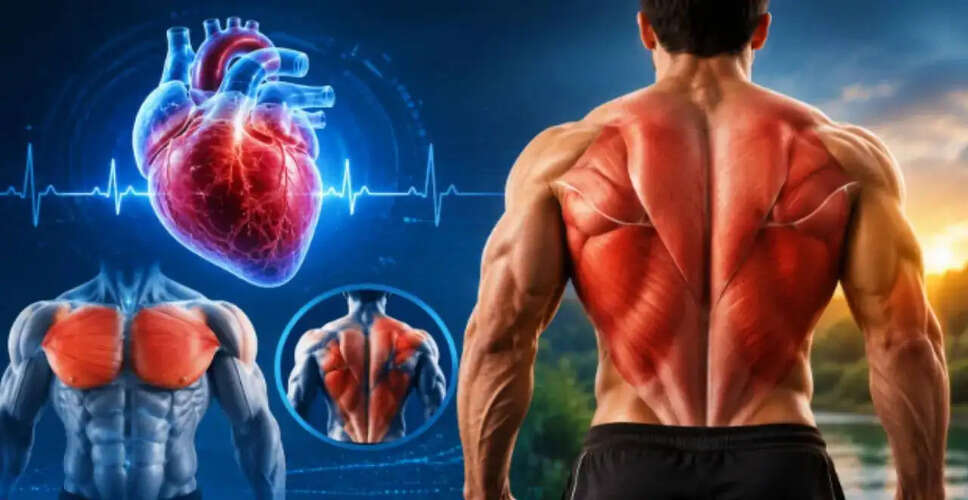
Traditionally, the focus of heart disease prevention has been on managing cholesterol levels, blood pressure, diabetes, and weight. However, recent research utilizing artificial intelligence indicates that muscle health may be equally important. A study featured in the journal Radiology revealed that individuals with stronger chest and back muscles had a notably reduced risk of heart attacks and cardiovascular-related deaths over a ten-year period. By analyzing standard coronary CT scans, researchers found that muscle quality serves as a significant indicator of long-term heart health. This adds to the accumulating evidence that skeletal muscles are not merely for movement; they function as vital metabolic organs that significantly contribute to heart protection.
The Connection Between Muscle Mass and Heart Health
Healthy Muscles Indicate a Healthier Heart
Medical professionals assert that increased muscle mass in the chest and back often correlates with overall better health. Greater muscle mass is associated with higher physical activity levels, reduced abdominal fat, enhanced lung capacity, improved glucose tolerance, and healthier cholesterol levels—all of which collectively lower the risk of heart disease and heart attacks.
Experts stress that muscles are more than just indicators of fitness. Unlike fat, skeletal muscle is metabolically active, continuously burning glucose, enhancing insulin sensitivity, and aiding in blood sugar regulation—key factors in preventing diabetes and heart disease.
Muscles as Protective Organs
Muscles Function as Endocrine Organs
During exercise, muscle contractions release myokines, which are signaling molecules that help decrease inflammation, enhance blood flow, regulate metabolism, and alleviate stress on the cardiovascular system. Researchers now view skeletal muscle as an endocrine organ, facilitating communication with the heart, liver, and other organs through these beneficial chemical signals.
The Importance of Leg Muscles
Don't Overlook Your Leg Muscles
While the AI study concentrated on chest and back muscles, specialists emphasize the significance of thigh and calf muscles for heart health. Calf muscles are often referred to as the body's "second heart" due to their role in aiding blood circulation back to the heart with each contraction. Thigh muscles, being the largest muscle group, utilize substantial glucose during physical activities, enhancing insulin sensitivity and mitigating major cardiovascular disease risk factors. Research published in the American Journal of Medicine indicated that a 10% increase in quadriceps strength could lower overall mortality by 23% and cardiovascular mortality by 34%.
The Necessity of Resistance Training
Incorporating Resistance Training
While walking is one of the most beneficial exercises for heart health, experts advise not to neglect strength training. Resistance exercises are crucial for maintaining muscle mass as we age, improving blood sugar management, reducing body fat, and promoting healthier blood vessels. A straightforward daily routine requiring minimal or no equipment is recommended:
- 30 squats
- 30 push-ups (or wall push-ups for beginners)
- 30 heel raises
Recent AI findings suggest that enhancing chest and back muscle strength could be a vital strategy for reducing heart attack risk. When combined with robust thigh and calf muscles, regular resistance training, and heart-healthy lifestyle choices, maintaining muscle health may emerge as one of the most effective yet often overlooked methods for safeguarding cardiovascular health.