
The Crucial First 1000 Days: Nutrition's Role in Child Development
Understanding the Importance of Early Nutrition
New Delhi: The initial 1000 days of a child's life, spanning from conception to two years of age, are vital for their growth and development. Nutrition during this critical period establishes the groundwork for lifelong health, affecting physical growth, cognitive development, immune function, and the likelihood of chronic diseases in later years. This phase witnesses rapid brain development, maturation of the immune system, and the formation of essential organs. Given the significant influence of nutrition during this time, it is often termed a “window of opportunity.” The World Health Organization indicates that nearly 45% of fatalities among children under five are associated with undernutrition, underscoring the importance of early nutrition for survival and healthy growth.
Proper nutrition in these formative years fosters physical growth, boosts immunity, and enhances cognitive abilities. Conversely, inadequate nutrition can result in stunted growth, weakened immunity, delayed developmental milestones, and an increased risk of obesity, diabetes, and heart disease later in life.
In a discussion with a digital media outlet, Dr. Akshay Mehta, a Senior Consultant in Neonatology & Paediatrics at Motherhood Hospitals (Greater Noida), emphasized that proper nutrition starting from pregnancy can pave the way for a healthier, disease-free life for the child.Significance of the First 1000 Days
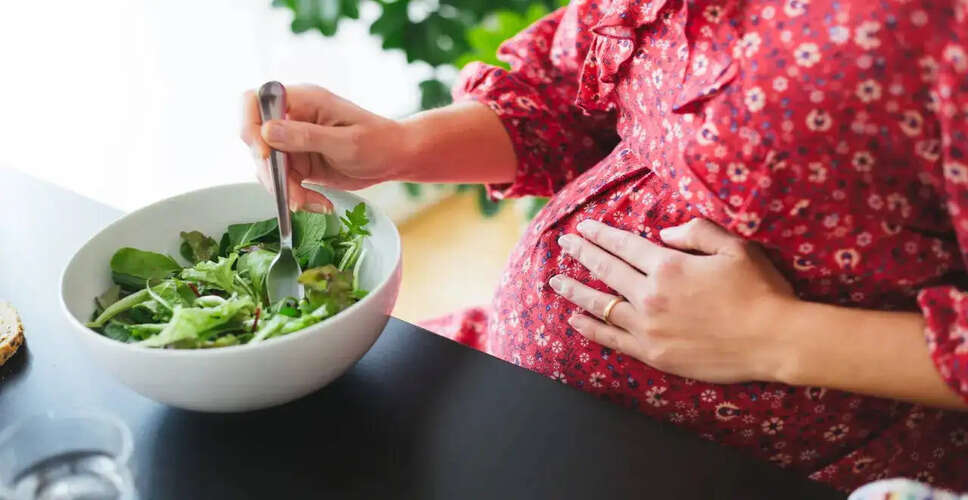
- Nutrition During Pregnancy: During this time, the fetus relies entirely on the mother for essential nutrients. A well-balanced maternal diet, rich in proteins, iron, calcium, vitamins, and healthy fats, is crucial for fetal brain development, bone growth, and overall organ formation. UNICEF warns that poor maternal nutrition can lead to low birth weight and developmental issues, highlighting the necessity of good nutrition even before birth.
- Nutrition After Birth: Breast milk is the optimal source of nutrition for newborns, providing a perfect blend of nutrients and antibodies that shield infants from infections. Exclusive breastfeeding is recommended for the first six months, as it supports healthy growth and fortifies the infant’s immune system. According to global data from the World Health Organization, optimal breastfeeding could prevent over 800,000 deaths among children under five annually by reducing infection and malnutrition risks.
- Introducing Complementary Foods: After six months, infants need additional nutrients to support their rapid growth. Complementary feeding should commence while continuing breastfeeding, with foods that are soft, nutritious, and easy to digest, such as mashed fruits, well-cooked cereals, lentils, and vegetable purees.
- Nutrition Between 1 and 2 Years: From one to two years, children can gradually be introduced to a broader variety of family foods. Nutritious options include mashed bananas, rice, lentils, papaya, khichdi, eggs, yogurt, and soft chapati pieces. Incorporating milk, seasonal fruits, whole grains, and protein-rich foods is essential for supporting brain development and physical growth.
- Establishing Healthy Eating Habits: Parents should limit processed, canned, and overly spicy foods, as a child's digestive system is still maturing. Frequent consumption of snacks like chips, fries, candies, chocolates, pastries, and sugary beverages should be avoided. Instead, children should be encouraged to enjoy healthier snacks such as fresh fruits, homemade soups, and boiled vegetables.
A colorful plate filled with a variety of fruits, vegetables, grains, and proteins ensures that children receive a balanced array of nutrients. Family meals can also help instill healthy eating habits from an early age.
Investing in a Healthy FutureThe first 1000 days present a unique chance to influence a child’s lifelong health. By prioritizing balanced nutrition during pregnancy, encouraging breastfeeding, and timely introduction of nutritious complementary foods, parents can make a significant investment in their child's growth, development, and overall well-being.