
The Critical Importance of Timely Rabies Vaccination: A Heartbreaking Case
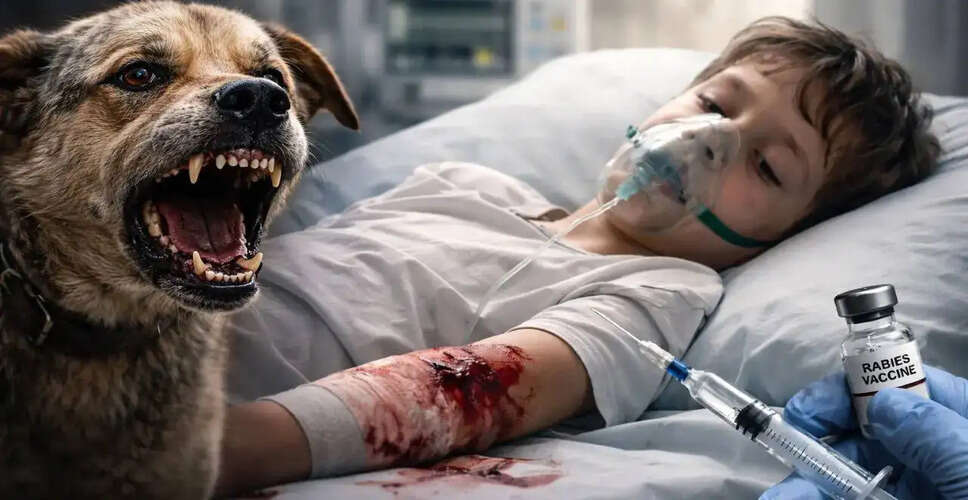
A Tragic Loss Due to Rabies
In a heartbreaking and preventable situation, a 9-year-old girl tragically passed away six months after a seemingly minor dog bite, primarily due to the absence of timely rabies vaccination. This incident has raised alarms nationwide, shedding light on the often-overlooked danger of untreated rabies. Reports indicate that the child was scratched by a stray dog while walking with her grandfather. Although her parents took her to a medical facility, she was too frightened to receive the anti-rabies shot, and her parents did not insist. They returned home, and as her wound healed, the incident faded from memory. Unfortunately, her health deteriorated over time, leading to her untimely death. Medical professionals emphasize that rabies is nearly always fatal once symptoms manifest, yet it can be completely avoided with prompt vaccination.
Understanding the Dangers of Rabies
Why is Rabies So Dangerous?
Rabies is a viral disease transmitted through the saliva of infected animals, predominantly dogs. Once the virus enters the body via a bite or scratch, it travels to the brain, resulting in severe neurological damage. The danger of rabies lies in its lengthy incubation period, where symptoms may not surface for weeks or even months, creating a false sense of security. However, once symptoms do appear, the disease escalates quickly and is almost always fatal.
Recognizing Early Symptoms of Rabies
Early Signs of Rabies You Must Not Miss
Initially, symptoms can be mild and mimic common illnesses, including:
- High fever
- Severe headache
- Tingling or pain at the site of the bite
- Difficulty swallowing
- Fear of water (hydrophobia)
- Agitation and confusion
- Paralysis
At this stage, treatment options are severely limited.
The Role of Rabies Vaccination
What is the Role of the Rabies Vaccine?
Healthcare professionals stress the importance of post-exposure prophylaxis (PEP), which includes rabies vaccination and, in some cases, rabies immunoglobulin, as highly effective if administered immediately after a bite. Essential steps to follow after a dog bite include:
- Thoroughly wash the wound with soap and water for at least 15 minutes
- Apply antiseptic
- Seek medical assistance without delay
- Begin the rabies vaccination schedule promptly
Even minor bites necessitate vaccination. Experts caution that no dog bite can be considered 'safe' when rabies is a potential risk. Despite awareness initiatives, many individuals still forgo vaccination due to:
- Lack of understanding regarding rabies risks
- Assuming the dog is 'safe' or vaccinated
- Financial constraints or limited access to healthcare
- Neglecting minor bites or scratches
India represents a significant portion of global rabies fatalities, making awareness and timely intervention crucial.
Immediate Actions After a Dog Bite
What Should Be Done After a Dog Bite?
Taking immediate action following a bite or scratch can be life-saving. Health authorities recommend the following steps:
- Wash the wound immediately with soap and running water for at least 15 minutes
- Apply antiseptic to minimize viral load
- Seek urgent medical care for post-exposure prophylaxis (PEP)
- Complete the prescribed course of the anti-rabies vaccine
- Receive rabies immunoglobulin (RIG) in high-risk situations