
The Complex Journey of Stroke Recovery: Insights from Rahul Roy's Experience

Rahul Roy's Response to Trolls Sparks Important Discussion
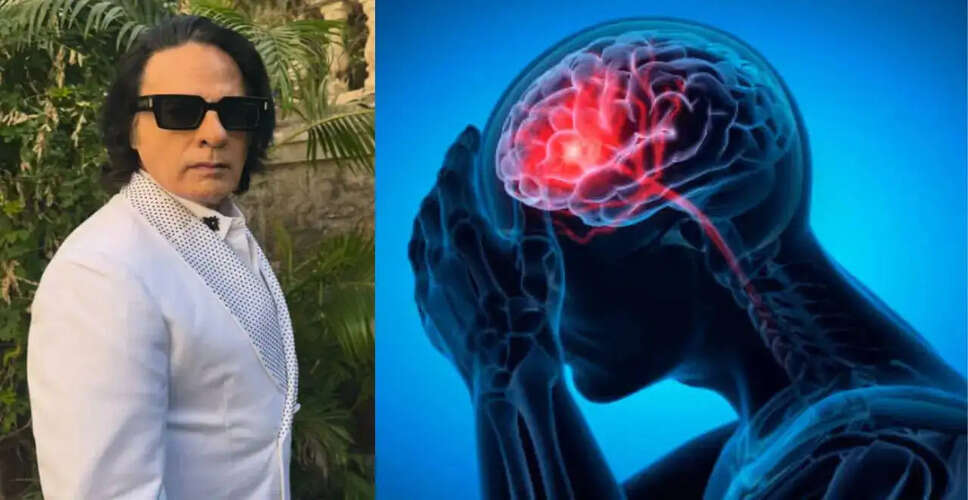
Recently, actor Rahul Roy addressed online trolls regarding his viral dance videos, which brought attention back to the crucial topic of recovery from brain strokes. Having experienced a stroke himself, Roy's candid remarks shed light on a reality that is often overlooked: the recovery process is neither quick nor straightforward. The 60-year-old, who gained fame from the 1990 film Aashiqui, responded to critics of his dance with a lesser-known creator by sharing a heartfelt message on Instagram, hinting at his ongoing financial challenges. He stated, "I approach my work with sincerity and humility. I have legal obligations to settle, which predate my stroke." According to reports, Roy suffered an ischemic stroke in November 2020 while filming LAC: Live the Battle in Kargil in Kargil, where harsh weather and high altitude may have contributed to his condition. He was diagnosed with aphasia, which affects speech, and underwent a lengthy recovery at Mumbai's Nanavati Hospital. Experts note that a brain stroke can significantly impact both physical and mental health.
Understanding Stroke and Its Consequences
Understanding Stroke and Its Consequences
A brain stroke occurs when blood flow to a specific area of the brain is disrupted, depriving brain cells of oxygen. This interruption can result in lasting damage that affects speech, movement, memory, and emotional well-being. Stroke is a leading cause of death and disability globally, with recovery outcomes varying widely based on the speed of treatment and the extent of the damage.
Challenges in Stroke Recovery
Challenges in Stroke Recovery
The journey to recovery from a stroke can be lengthy and arduous. While some individuals may regain their abilities within weeks, others may require months or even years, and many do not fully return to their pre-stroke state. Common challenges faced by stroke survivors include:
- Weakness or paralysis on one side of the body
- Difficulty with speech or language comprehension, known as aphasia
- Cognitive and memory issues
- Emotional changes, including anxiety or depression
- Impaired coordination and balance
These complications can make daily tasks such as walking, eating, or conversing significantly more challenging. Dr. Sharath Kumar GG, a consultant in Radiology and Interventional Neuroradiology, emphasized the importance of timely medical intervention, stating, "What concerns me most about strokes is the lack of awareness. Patients often arrive late because families assume symptoms will pass or are unsure where to go for help. Every minute of delay results in the loss of 2 million neurons, permanently."
The Reality of Stroke Rehabilitation
The Reality of Stroke Rehabilitation
Recovery heavily relies on rehabilitation therapies, which typically include physiotherapy to enhance mobility and strength, speech therapy to restore communication abilities, and occupational therapy to relearn daily activities. Consistency and patience are essential, as progress can be slow and setbacks frequent. This is why public perceptions, often shaped by brief social media clips, can be misleading. A short video cannot encapsulate the months of effort, frustration, and resilience involved in recovery.
Emotional and Social Dimensions of Recovery
Emotional and Social Dimensions of Recovery
In addition to physical healing, stroke survivors frequently encounter emotional challenges. Being ridiculed or misunderstood, as seen in Roy's situation, can exacerbate psychological stress. Many survivors face a loss of independence, shifts in identity, and social isolation. Experts stress the importance of compassion and awareness, noting that stroke recovery encompasses not just physical improvement but also rebuilding confidence and adapting to a new normal.
Recognizing early warning signs such as sudden numbness, confusion, difficulty speaking, or severe headaches can be life-saving and minimize long-term damage. The widely recognized FAST method aids in quickly identifying stroke symptoms:
- Face drooping
- Arm weakness
- Speech difficulty
- Time to seek immediate medical assistance
Rahul's journey serves as a poignant reminder that stroke recovery is a deeply personal experience that is often misunderstood. It demands time, medical support, and emotional resilience. Judging someone's progress based on a brief clip overlooks the complexities of healing from a brain injury. Raising awareness about stroke symptoms, promoting early treatment, and supporting survivors can significantly impact recovery. Although the path to recovery is not straightforward, with appropriate care and understanding, many individuals can regain their independence and enhance their quality of life.