
The Complex Debate Surrounding Euthanasia: Noelia Castillo's Story
Tragic Outcome of a Legal Battle for Euthanasia
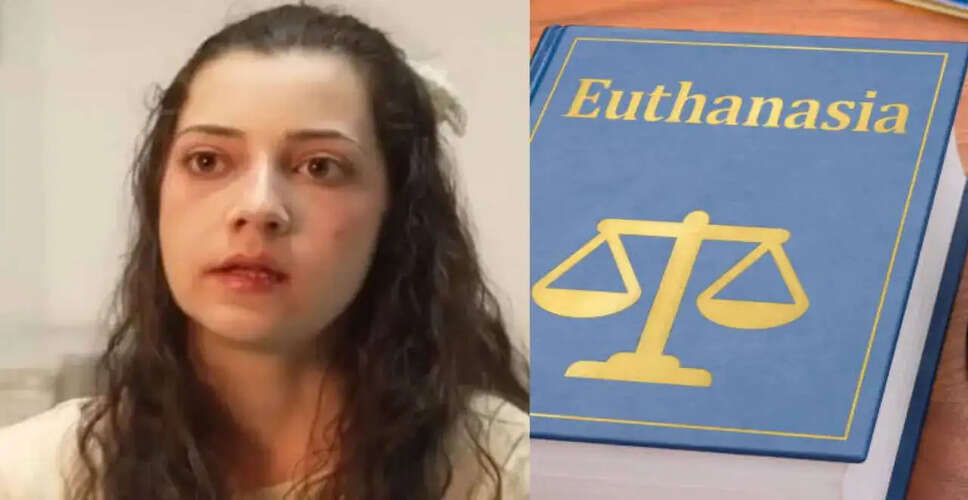
A 25-year-old woman from Barcelona, Noelia Castillo Ramos, chose euthanasia after a prolonged legal struggle with her family regarding her right to end her life. For over two years, Noelia fought for this right following the approval of her request by a medical committee in Catalonia in 2024, despite her father's opposition. Her case garnered international attention, particularly in Spain, where legislation was enacted in 2021 to allow euthanasia and medically assisted suicide under specific conditions. In an interview with Spanish broadcaster Antena 3 just a day before her death, she expressed relief, stating, “At last, I’ve managed it, so let’s see if I can finally rest now. I just cannot go on anymore.”
Reasons Behind Noelia's Decision
Noelia had battled psychiatric disorders since her teenage years and had attempted suicide twice, with the second attempt occurring after a sexual assault. The aftermath of her second attempt in 2022 left her wheelchair-bound due to severe injuries. In 2024, she sought euthanasia through an independent committee in Catalonia, which consists of medical professionals, legal experts, and bioethicists who assess applications under Spain’s euthanasia law. Her situation raises critical questions about personal autonomy in end-of-life decisions, the responsibilities of healthcare providers, and the adequacy of pain management in healthcare systems.
- Should individuals have the right to choose how and when they die?
- How do we balance patient autonomy with medical responsibility?
- Are healthcare systems doing enough to manage pain and suffering?
Understanding Euthanasia
Euthanasia is defined as the intentional act of ending a person's life to alleviate suffering, typically in cases of severe or terminal illness. This topic is highly sensitive and controversial, as it involves a delicate balance between compassion and ethical/legal implications. Spain legalized euthanasia in 2021 under strict regulations, permitting eligible patients to request assisted death if they meet certain criteria, including:
- Severe, incurable illness or chronic suffering
- Informed and voluntary consent
- Evaluation by multiple medical professionals
The Importance of Palliative Care
Experts advocate that patients should first have access to comprehensive palliative care before considering euthanasia. This type of care focuses on enhancing the quality of life for individuals with serious illnesses through pain management, emotional support, and ensuring comfort and dignity. Many professionals believe that effective palliative care can significantly reduce the desire for assisted dying by addressing suffering in a more holistic manner.
Ethical and Mental Health Considerations
Cases like Noelia's highlight the necessity of thorough mental health evaluations to ensure that decisions are made without external pressures and that alternatives, such as counseling, are available. Healthcare professionals emphasize that euthanasia decisions must be approached with great care, empathy, and comprehensive assessment. Noelia Castillo's story has transcended her individual case, contributing to a larger conversation about dignity, suffering, and the right to choose in contemporary medicine.
In Madrid, a disability rights organization has called for a reassessment of Spain’s euthanasia law, stressing the need for improved resources for individuals with disabilities, chronic illnesses, or high dependency situations. While some view euthanasia as a compassionate choice for those enduring unbearable pain, others express concerns about ethical limits and the potential for misuse.