
Tehran Experiences Toxic Rainfall Following Airstrikes
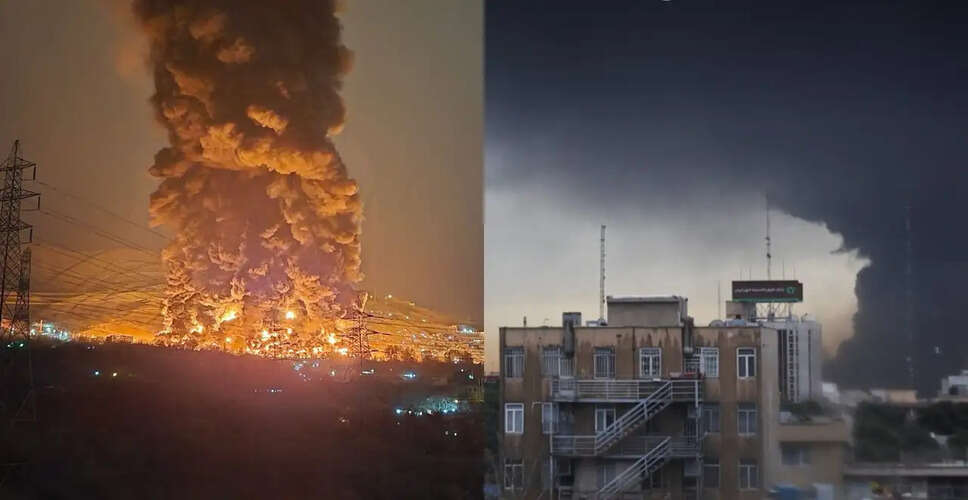
Tehran's Dark Sky After Airstrikes
Recent reports indicate that Tehran has awakened to a hazardous and murky atmosphere following a night of intense airstrikes targeting oil storage facilities and refineries in various locations around the Iranian capital. This bombardment, part of the escalating regional conflict, resulted in massive fires that burned for hours, releasing thick smoke and chemical fumes into the air. By morning, residents observed an unsettling sight: rain droplets falling from a darkened sky, leaving oily stains on roads, vehicles, and buildings.
Thick black clouds and oil‑saturated rain are shrouding Iran's capital this morning after major airstrikes hit refineries and storage sites south and west of the city. CNN's Fred Pleitgen reports. CNN operates in Iran only with government permission. pic.twitter.com/Cv0EEHDwom
— CNN (@CNN) March 8, 2026
Videos shared online depict rainwater flowing in black streams across buildings, while puddles in the streets appeared tainted with oil and soot. Reports confirm that several fuel storage facilities were struck, igniting significant amounts of petroleum and releasing toxic substances into the atmosphere. The combination of these pollutants with moisture likely resulted in what many locals are referring to as "black rain."
Understanding 'Black Rain'
What Is ‘Black Rain’ And Why Did It Happen?
Black rain refers to precipitation that is contaminated with dark particles such as soot, ash, or industrial pollutants. This phenomenon typically occurs after significant fires, explosions, or severe pollution events that release large quantities of particles into the air. When these particles mix with rain clouds, they fall back to the ground as dark, contaminated droplets. In the case of Tehran, burning oil facilities emitted hydrocarbons, sulfur dioxide, and nitrogen oxides into the atmosphere. When these chemicals interact with water vapor, they can produce acid rain, which has a much lower pH than normal rainfall.
Emergency services and humanitarian organizations have cautioned that the resulting rain could pose health risks. The toxic fumes and acidic compounds released during the fires may have contaminated the rainfall, leading authorities to advise residents to remain indoors and avoid direct contact.
Health Risks Associated with Acid Rain
What Does Acid Or ‘Black’ Rain Do To The Human Body?
While brief contact with acid rain or its droplets is unlikely to cause immediate severe harm, the pollutants accompanying it can present serious health risks. Inhalation of these pollutants or contact with sensitive areas of the body, such as the eyes and lungs, can lead to various health issues.
Eye irritation and potential vision damage: Contaminated rainwater, such as black or acid rain, carries chemical particles and microorganisms that can irritate the eyes. Exposure may result in burning sensations, blurred vision, infections, and redness. In extreme cases or with prolonged exposure to toxic pollutants, delicate eye tissues can sustain damage, leading to serious vision problems, including temporary or complete blindness. Respiratory issues and lung damage: Breathing in polluted air poses a greater health threat than the rain itself. Sulfur dioxide, nitrogen dioxide, and other fine particulate matter released during oil fires can penetrate deeply into the lungs, causing significant harm. These pollutants can trigger coughing, asthma attacks, throat irritation, and airway inflammation. In severe cases, they may lead to lung injury or respiratory illnesses. Headaches and migraines: Residents in affected areas often report headaches, dizziness, and migraines during heavy pollution events. Toxic gases and particulate matter can lower oxygen levels and irritate the nervous system, potentially triggering these symptoms. Skin irritation and chemical burns: Highly acidic rainwater can irritate the skin, causing redness or rashes. In regions with significant chemical contamination, health agencies have warned that exposure could lead to chemical burns or long-term skin irritation.