
Teen's Fatal Stroke Linked to Hickey: A Rare Medical Case
A Shocking Incident in Mexico City
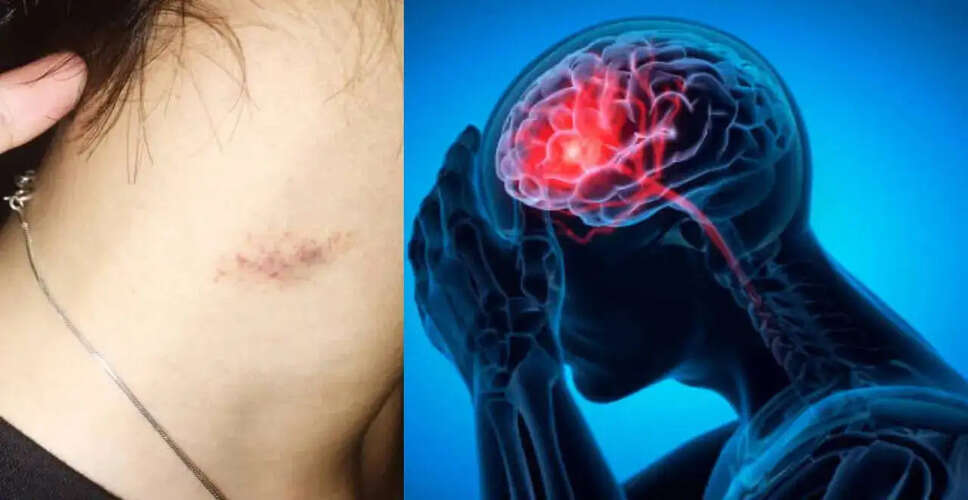
A tragic event from Mexico City has drawn attention to the potential dangers associated with hickeys. A 17-year-old boy reportedly passed away after receiving a hickey from his girlfriend, which is believed to have triggered a fatal stroke. Experts suggest that the intense suction from the hickey may have led to the formation of a blood clot that traveled to the brain, obstructing a crucial artery and resulting in a stroke. Despite receiving medical care, the teenager could not be saved.
Understanding Hickeys and Their Risks
What is a Hickey?
A hickey occurs when strong suction on the skin causes small blood vessels to rupture, resulting in a bruise. While most hickeys are harmless and fade quickly, there are rare instances where excessive suction can damage deeper vessels, leading to blood clot formation that may travel through the bloodstream.
How Can a Hickey Cause a Stroke?
Experts explain that intense suction can injure blood vessels in the neck, leading to clot formation. This clot can then move toward the brain, blocking a vital artery and cutting off oxygen supply, which can result in an ischemic stroke—a serious condition requiring immediate medical attention.
Why Such Cases Are Rare
Understanding the Rarity of Such Outcomes
Medical professionals stress that incidents like this are extremely uncommon. Millions of people experience hickeys without any complications. However, certain factors can heighten the risk, including:
- Excessive pressure or prolonged suction
- Underlying blood-clotting disorders
- Weak or damaged blood vessels
- Pre-existing health conditions
Recognizing Stroke Symptoms
What is a Stroke?
A stroke is a critical medical emergency that occurs when the brain is deprived of adequate blood flow, either due to a blockage or bleeding. Healthcare professionals may refer to strokes as cerebrovascular accidents (CVAs) or brain attacks. Immediate action is crucial; if you suspect someone is having a stroke, call emergency services right away.
Signs of Stroke to Watch For
Recognizing the symptoms of a stroke can be lifesaving. Be alert for:
- Sudden weakness or numbness, especially on one side
- Difficulty speaking or understanding speech
- Severe headache
- Loss of balance or coordination
- Vision problems
Doctors emphasize the importance of prompt medical attention, as every moment counts in stroke treatment. This rare case serves as a reminder of the unpredictable nature of the human body. While the likelihood of a hickey causing a stroke is very low, being aware of potential risks can help prevent serious health issues.