
Surprising Detection of Usutu Virus in Scotland Raises Climate Change Concerns

Introduction to the Usutu Virus Discovery
The recent identification of the Usutu virus in Scotland has caught scientists off guard and reignited discussions regarding the influence of climate change on the proliferation of mosquito-borne illnesses. While this virus mainly impacts birds and poses minimal risk to humans at present, experts view its emergence as a significant warning that shifting environmental factors could facilitate the spread of infectious diseases into areas that were previously unaffected. This marks the inaugural detection of the Usutu virus in Scotland, prompting inquiries into whether rising temperatures are creating favorable conditions for mosquitoes that transmit diseases.
Understanding the Usutu Virus
What is the Usutu Virus?
The Usutu virus, a mosquito-borne pathogen, was first discovered in South Africa in 1959. It is part of the same family of viruses as West Nile virus, dengue, and yellow fever. The primary vector for this virus is the Culex pipiens mosquito, which becomes infected after feeding on infected birds. These mosquitoes can then transmit the virus to other birds, animals, and, in rare instances, humans. Although human infections are infrequent, most cases are asymptomatic or result in mild flu-like symptoms. Severe neurological issues are rare and typically affect individuals with compromised immune systems.
Unexpected Findings in Scotland
Why Was the Discovery in Scotland Unexpected?
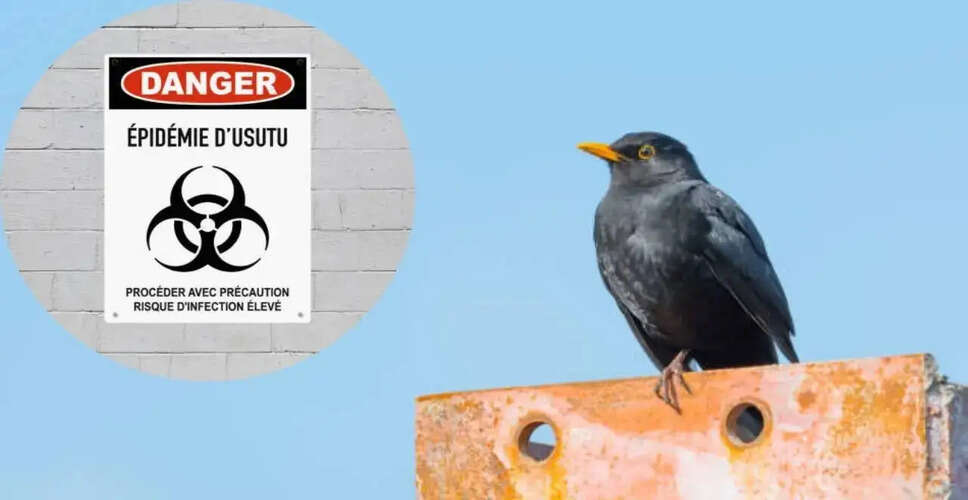
For a long time, scientists believed that Scotland's cooler climate was not conducive to the survival and reproduction of mosquitoes that carry the Usutu virus. However, experts in infectious diseases now assert that rising temperatures associated with climate change have changed this perspective. Parts of the UK are experiencing summer temperatures that frequently reach around 25°C, creating an environment where mosquitoes can thrive and viruses can replicate more effectively within them. The outbreak was first noted when residents on the Isle of Arran reported unusual deaths among blackbirds exhibiting symptoms like weakness, disorientation, twisted necks, and feeding difficulties. Subsequent laboratory tests confirmed the presence of the Usutu virus.
Public Health Implications
Should Humans Be Concerned?
Health professionals emphasize that the current risk to the general population remains low. Unlike diseases such as dengue or malaria, the Usutu virus seldom causes illness in humans. Serious complications affecting the brain or nervous system are extremely rare but may occur in susceptible individuals. When symptoms do manifest, they can include:
- Fever
- Headache
- Fatigue
- Skin rash
- Muscle aches
While there is no evidence of widespread human transmission in Scotland, experts believe that the virus serves as a crucial indicator of changing environmental conditions that could support the emergence of other mosquito-borne diseases in the future.
Climate Change and Mosquito-Borne Diseases
Climate Change and Emerging Mosquito-Borne Diseases
Scientists caution that rising temperatures are expanding the habitats of mosquitoes throughout Europe. In recent years, there has been a notable increase in cases of diseases such as West Nile virus, dengue, Chikungunya, and Zika virus across the continent. The identification of West Nile virus in UK mosquitoes in 2025 further underscores concerns that climate change is reshaping disease patterns. Researchers are currently examining local mosquito populations to gain insights into how viruses spread and to enhance surveillance systems before outbreaks occur.
Impact on Wildlife
Impact on Wildlife
While the risk to human health remains limited, bird populations are facing a much greater threat. The Usutu virus has already led to significant declines in blackbird populations across various European nations. It also poses risks to owls, birds of prey, and numerous songbird species. Conservationists are concerned that rising temperatures could expose more vulnerable wildlife to mosquito-borne infections, adding further strain to already endangered species.
Preventive Measures
Ways to Protect Yourself
Although the current risk is low, it is advisable to take simple precautions to prevent mosquito bites:
- Use insect repellent when outdoors.
- Wear long-sleeved clothing in areas prone to mosquitoes.
- Eliminate standing water where mosquitoes breed.
- Install window screens where feasible.