
Surge in Kratom-Related Health Issues Sparks Concern in the US
Increasing Health Concerns
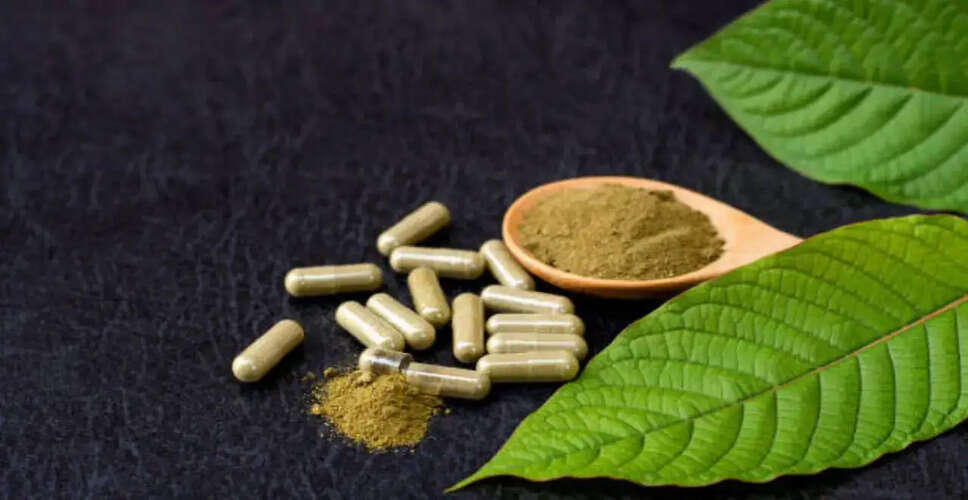
The United States is experiencing a notable uptick in health incidents associated with kratom, prompting alarm among healthcare professionals, regulatory bodies, and addiction experts. Initially promoted as a natural solution for pain relief and easing opioid withdrawal, kratom is now facing heightened scrutiny due to rising reports of addiction, toxicity, and even deaths. Derived from the leaves of the Southeast Asian plant Mitragyna speciosa, kratom has become increasingly popular among individuals seeking alternative therapies for chronic pain, anxiety, and addiction. Its active ingredients, mitragynine and 7-hydroxymitragynine, interact with the brain's opioid receptors, producing effects akin to both stimulants and opioids, depending on the dosage.
A recent study indicates that inquiries to poison control centers regarding this herb have surged by over 1,200% from 2015 to 2025. Dr. Christopher Holstege, director of the Blue Ridge Poison Center at the University of Virginia, remarked, “This data reflects a concerning trend.”
Health Risks on the Rise
Health Risks on the Rise
Medical professionals report a significant increase in emergency room visits linked to kratom consumption, with symptoms ranging from nausea and vomiting to seizures and severe respiratory issues. In some instances, kratom has been associated with liver damage and multi-organ failure. The situation is exacerbated by the absence of standardized dosing, as kratom products are available in various forms such as powders, capsules, and teas, each with differing potency. Without proper regulation, consumers often lack knowledge about the strength or purity of the products they are using. In 2025, approximately 60% of individuals reported serious medical outcomes when kratom was combined with other substances, with half requiring hospitalization, according to researchers. These findings underscore the necessity for closer examination of kratom.
“We want the public to be aware that these products contain chemicals of varying concentrations such as mitragynine and 7-hydroxymitragynine that have complex pharmacological actions and can cause drug interactions and adverse consequences in humans,” Holstege stated.
Addiction and Dependency Concerns
Addiction and Dependency Concerns
Although kratom is often marketed as a safer alternative to opioids, addiction specialists warn that it can be habit-forming. Regular consumption may lead to tolerance, dependence, and withdrawal symptoms, including irritability, insomnia, muscle pain, and mood swings. Alarmingly, some individuals who previously used opioids have reported developing a dependency on kratom instead of fully overcoming their addiction. This raises concerns within the medical community, suggesting that kratom may merely substitute one form of dependency for another.
Regulatory Issues
Regulatory Issues
The legal status of kratom in the United States is complex and inconsistent. While it is not banned at the federal level, various states and localities have enacted restrictions or outright bans. This lack of uniform regulation has resulted in a gray market with minimal quality control and uncertain consumer safety. The US Food and Drug Administration (FDA) has consistently cautioned against kratom use, citing a lack of evidence regarding its safety and efficacy. The agency has also raised concerns about contamination, as some kratom products have been found to contain heavy metals, bacteria like Salmonella, or even other drugs.
The Need for Awareness
The Need for Awareness
Experts emphasize the urgent need for public education regarding the risks associated with kratom. While some users report positive effects, the increasing number of adverse cases highlights the necessity for caution. Healthcare professionals advise against self-medicating with kratom, especially without the guidance of a healthcare provider. For individuals dealing with pain or substance use disorders, safer, evidence-based treatment options are available.