
Surge in Hip Replacement Surgeries Among Younger Adults Post-COVID-19
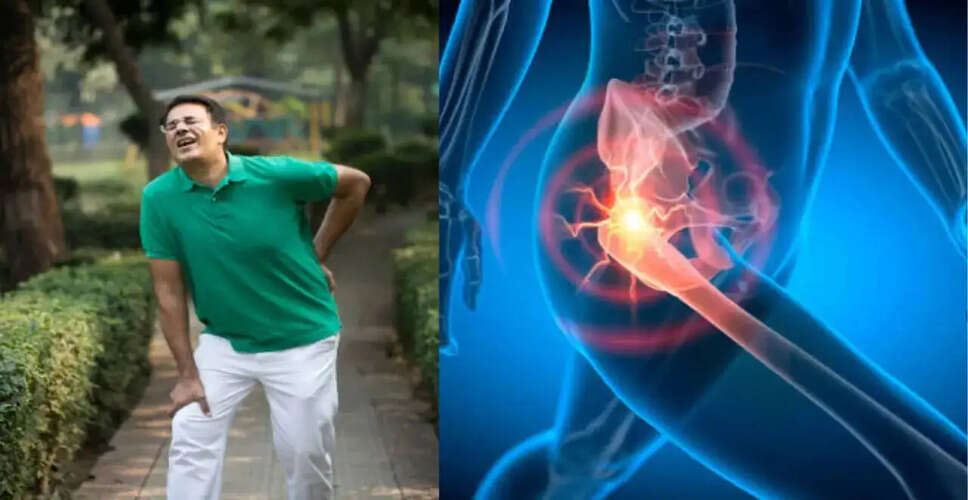

Rising Trend of Hip Surgeries
Healthcare professionals across India are observing a concerning increase in hip replacement surgeries among younger individuals following the COVID-19 pandemic. Orthopedic specialists report that individuals in their 30s and 40s are increasingly suffering from significant hip damage, painful arthritis, and mobility challenges months after recovering from COVID-19. It has been noted that the number of hip replacement surgeries among younger Indians has surged by nearly 40% in the aftermath of the pandemic. Experts attribute this rise to factors such as excessive steroid use during COVID-19 treatment, delayed diagnoses, and unhealthy lifestyle choices.
Understanding Avascular Necrosis
What is Avascular Necrosis?
Avascular necrosis (AVN), also known as osteonecrosis, is a condition that has raised significant concern. This condition arises when the blood supply to a bone is disrupted, leading to weakened bone tissue that may eventually collapse. In many cases related to COVID-19, the femoral head—the rounded top part of the thigh bone that fits into the hip socket—sustains damage. As the bone deteriorates, patients experience severe pain, stiffness, limping, and difficulty in walking. If AVN is diagnosed too late, many individuals may require total hip replacement surgery.
Link Between COVID-19 Treatment and Hip Damage
Why Are Doctors Concerned?
Orthopedic experts suggest that the steroids administered during severe COVID-19 cases may have contributed to the onset of AVN in some patients. These steroids were commonly used during the pandemic to mitigate dangerous inflammation and save lives. However, prolonged or excessive use can adversely affect blood circulation within bones, heightening the risk of osteonecrosis. Patients with obesity, diabetes, vascular issues, or metabolic disorders may be particularly susceptible to this complication. Previously, AVN was more frequently observed in older adults or those with trauma; however, hospitals are now witnessing a notable increase in younger patients with advanced hip degeneration.
Ignoring Early Symptoms
Recognizing Early Symptoms
One significant issue is the delayed diagnosis of AVN. Early symptoms can be mild and are often confused with muscle strain, back pain, or post-viral fatigue. Common warning signs include:
- Persistent groin pain
- Hip stiffness
- Pain while walking
- Limping
- Reduced mobility
- Difficulty climbing stairs
As these symptoms tend to worsen over time, many individuals only seek medical attention after irreversible damage has occurred to the hip joint. Orthopedic specialists emphasize the importance of early MRI scans to detect AVN before significant bone collapse takes place.
Impact of Lifestyle Choices
Lifestyle Factors Contributing to Risk
Health professionals indicate that the rise in sedentary lifestyles post-pandemic may be exacerbating joint health issues among younger Indians. Factors associated with hip degeneration include:
- Obesity
- Lack of physical activity
- Excessive alcohol consumption
- Smoking
- Diabetes
- Metabolic disorders
Doctors caution that a decline in physical activity and the increase in lifestyle-related diseases could lead to a growing burden of orthopedic issues in India in the coming years. Despite the rise in cases, advancements in medical technology are enhancing outcomes for patients undergoing hip replacement surgeries. Innovations such as robotic-assisted surgery, minimally invasive techniques, improved implant materials, and expedited rehabilitation protocols are enabling quicker recovery and improved mobility for patients.
A Call to Action
Why This Matters
As May is recognized as Arthritis Awareness Month, the rising number of younger adults requiring hip replacements serves as a crucial reminder of the need for responsible steroid use, early diagnosis, and ongoing care following severe COVID-19 infections. Experts recommend that anyone experiencing persistent hip pain after recovering from COVID-19 should seek prompt orthopedic evaluation rather than dismissing their symptoms.