
Surge in Cesarean Deliveries in India: A Closer Look at the Trends and Implications
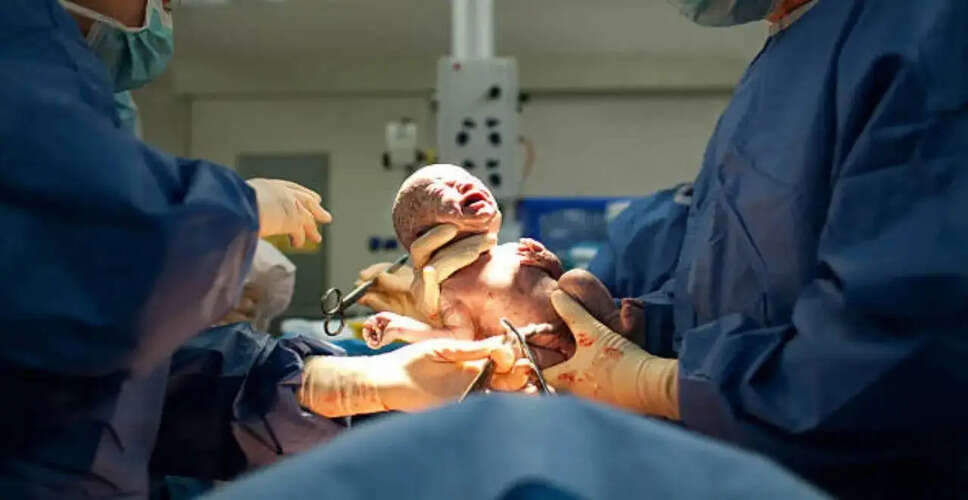

Rising Cesarean Section Rates in India
Recent data from the National Family Health Survey (NFHS) indicates a significant increase in cesarean section deliveries in India, with rates now approximately 40% above the World Health Organization's (WHO) recommended threshold of 10 to 15 percent. This trend has sparked a debate among healthcare professionals regarding the appropriateness of the rising number of surgical births. However, many doctors assert that cesarean deliveries are essential and life-saving in cases of complications during childbirth.
NFHS Findings on Surgical Births
The NFHS data reveals a consistent rise in cesarean births across urban areas and private healthcare facilities in India over the last decade. While the WHO suggests that cesarean rates exceeding 10-15% do not necessarily enhance maternal or newborn survival rates at a population level, obstetricians argue that the complexities of modern maternity care must be acknowledged.
The Life-Saving Role of C-Sections
Dr. Sonamm Tiwari, a Robotic and Laparoscopic Gynecologist at Gleneagles Hospital, emphasizes the vital role of cesarean sections in averting severe complications during childbirth. She states, “Cesarean sections are crucial interventions when complications like fetal distress, obstructed labor, and severe maternal bleeding occur. Timely surgical action can prevent serious health risks for both mother and child.”
Understanding Complications in Childbirth
Medical professionals explain that fetal distress arises when a baby exhibits signs of insufficient oxygen during labor, necessitating immediate delivery. Likewise, obstructed labor, where the baby cannot safely navigate through the birth canal, can lead to life-threatening situations if not promptly addressed.
Reasons for Increasing C-Section Rates
Healthcare providers note that factors such as advanced maternal age, high-risk pregnancies, multiple births, and rising incidences of gestational diabetes and hypertension have contributed to the increase in medically necessary cesarean sections in India.
Safety Improvements in Modern C-Sections
Despite ongoing concerns about unnecessary cesarean procedures, experts assert that advancements in surgical techniques and post-operative care have significantly enhanced the safety of C-sections compared to previous decades. Dr. Tiwari explains, “Modern C-sections are much safer due to improvements in surgical technology, anesthesia, infection control, and recovery protocols. When medically warranted, a cesarean birth can ensure optimal outcomes for both mother and baby.”
The Need for Balanced Perspectives
Public health experts advocate for a shift in focus from merely tracking cesarean rates to evaluating the medical justification for each delivery method. They emphasize that decisions surrounding childbirth should prioritize the safety of the mother and the well-being of the fetus. Additionally, healthcare advocates are calling for increased awareness regarding natural childbirth options, the importance of seeking second medical opinions, and minimizing non-essential surgical deliveries. The WHO has consistently highlighted that cesarean sections should only be performed when medically necessary, rather than for convenience.
Prioritizing Safety in Childbirth
The rising rates of C-sections in India reflect broader changes in maternal healthcare access, hospital infrastructure, and pregnancy-related risk factors. However, experts warn against stigmatizing surgical births, particularly when they are essential for safeguarding lives during emergencies. Dr. Tiwari concludes, “The emphasis should remain on timely decision-making and prioritizing safety. Ultimately, every delivery method should focus on the health and well-being of both mother and child.”