
Surat Intensifies Health Measures Post-Flooding to Avert Disease Outbreaks

Surat's Health Response After Floods
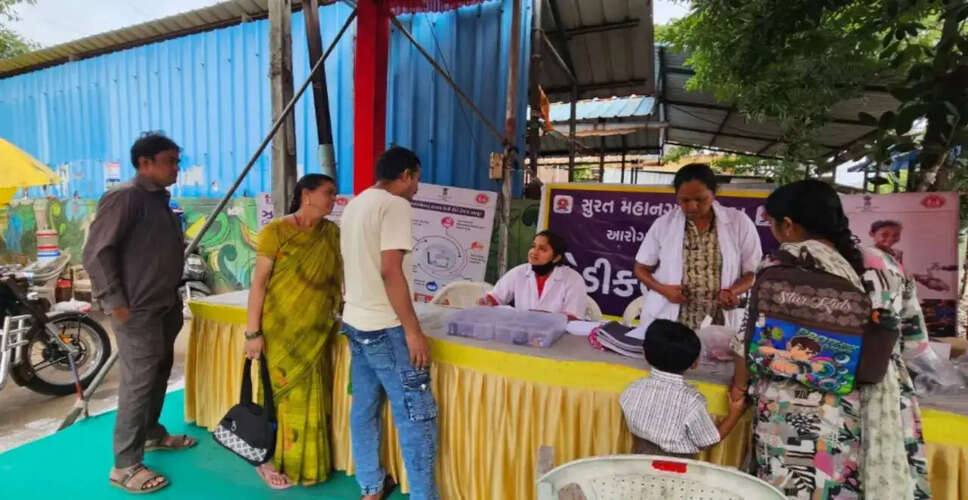
As the floodwaters in Surat begin to recede after a prolonged period of heavy rainfall, the city's attention has shifted from rescue efforts to disease prevention. With the threat of epidemics looming in the flood-affected low-lying regions, the Surat Municipal Corporation (SMC) has ramped up its public health initiatives by establishing 15 specialized medical camps, which have already treated 3,950 patients.
These medical camps were strategically set up in the most impacted areas, with five located in Udhna, four in Limbayat, three in Varachha, two in Sarthana, and one in Athwa. Health teams are also conducting thorough door-to-door surveys, especially in Udhna and Limbayat, where floodwaters contaminated residential zones.
According to the Health Department, the camps have seen a significant number of patients, with skin-related issues being the most prevalent, affecting 825 individuals due to prolonged exposure to contaminated water. Other reported health concerns include 402 cases of Acute Respiratory Infection (ARI), 357 cases of fever, 264 instances of diarrhea, and 82 cases of vomiting with diarrhea. Additionally, 14 patients with severe conditions have been referred to advanced medical facilities for further treatment.
As residents return to their homes after being relocated during the flooding, the civic body has initiated a comprehensive sanitation campaign to curb the spread of infectious diseases. The Surat Municipal Corporation is actively engaged in cleaning, disinfecting, and fogging operations across 212 housing societies that were severely impacted by the floods.
In the initial phase of this operation, 768 vehicles, including trucks, tractors, and robotic cleaning machines, were deployed to clear debris and waste. As conditions improve, the number of operational vehicles has been reduced to 260. Similarly, the medical surveillance teams have decreased from 490 to 202, continuing to monitor sensitive areas and conduct health checks to prevent any major disease outbreaks in the city.