
Supreme Court Critiques Hospitals for Denying Emergency Care to Assault Victim
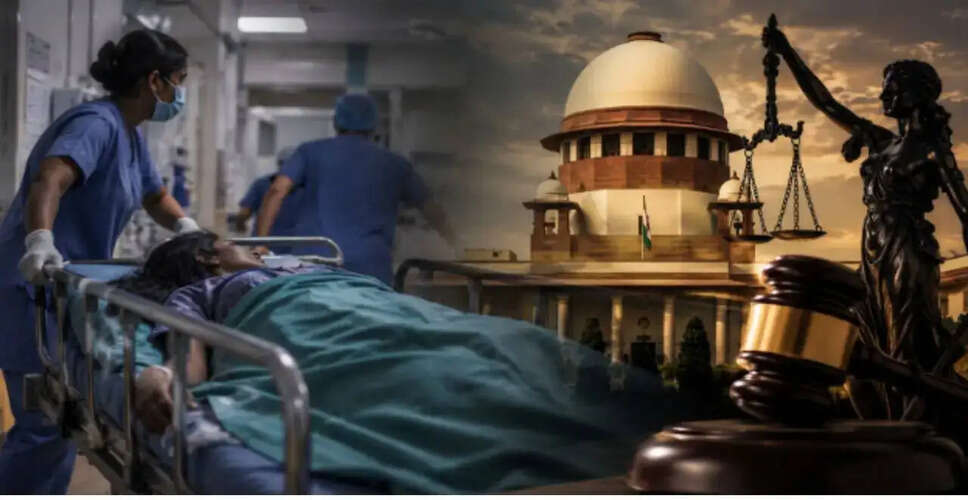

Supreme Court's Strong Stance on Emergency Medical Care
The Supreme Court of India has issued a stern critique of two private hospitals and a physician in Ghaziabad for allegedly refusing to provide emergency treatment to a severely injured minor who had been sexually assaulted. Tragically, the child later succumbed to her injuries, prompting the court to question the hospitals' actions and emphasize the ethical and legal obligation of medical professionals to deliver immediate life-saving care. This incident has sparked a vital public health debate: Is it permissible for hospitals to deny emergency treatment? When a life is in jeopardy, the stabilization of the patient should never be postponed due to administrative, financial, or institutional barriers.
Supreme Court's Remarks on Hospital Conduct
What Did the Supreme Court Say?
During the proceedings, a bench led by Chief Justice Surya Kant, along with Justices Joymalya Bagchi and V. Mohana, cautioned the hospitals that failure to voluntarily compensate the victim's family could result in substantial penalties. In response to a doctor's assertion that he was a BAMS practitioner and ill-equipped to handle such a critical case, the bench asserted that no physician should deny immediate medical aid to a gravely injured child. The court condemned the hospitals' and local authorities' behavior as "indifferent, inhuman, and insensitive," stressing that emergency medical care should have been initiated without hesitation. The bench remarked, "What kind of doctor are you? If you cannot provide medical assistance to a severely injured child, do not prefix 'Dr' before your name. If you had any sensitivity, you would have facilitated her father." The bench also indicated that while the SIT recommended imposing a penalty on the hospitals, they had suggested a donation instead, noting that penalties could have a chilling effect.
Importance of Immediate Medical Care Post-Assault
Why Immediate Medical Care is Critical After Sexual Assault
Survivors of sexual assault frequently endure multiple life-threatening injuries, such as severe bleeding, internal damage, fractures, shock, and psychological trauma. Timely medical intervention can be the deciding factor between life and death. Emergency treatment typically aims to:
- Control bleeding
- Stabilize blood pressure and respiration
- Treat traumatic injuries
- Prevent infections
- Manage pain
- Collect forensic evidence without delaying medical care
- Provide psychological support
Legal Obligations of Hospitals
Can Hospitals Refuse Emergency Treatment?
According to Indian law, hospitals are obligated to provide emergency medical care regardless of a patient's financial situation or the complexity of the case. If a facility lacks the necessary resources for definitive treatment, it should stabilize the patient and arrange for an immediate transfer to a more equipped center rather than outright denying admission. Medical ethics also dictate that healthcare providers must act in the best interests of the patient during emergencies.
Consequences of Delayed Trauma Care
The Health Impact of Delayed Trauma Care
Delays in emergency treatment can significantly worsen health outcomes. Severe injuries may result in:
- Massive blood loss
- Organ failure
- Septic infections
- Irreversible shock
- Brain injury due to lack of oxygen
- Death