
Stay Safe This Summer: Avoiding Gut Infections from Street Food
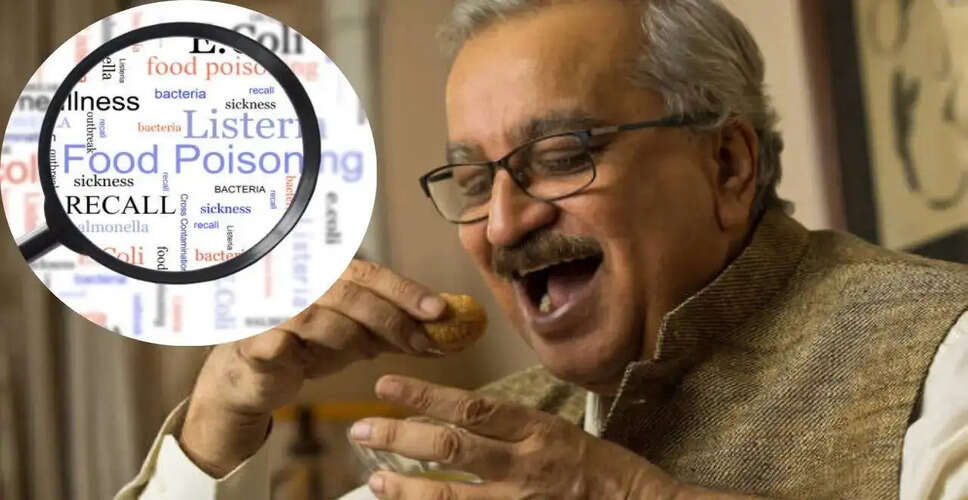

The Risks of Summer Street Foods
As summer approaches, the allure of spicy golgappas, chaat, and refreshing roadside beverages becomes irresistible. However, health professionals caution that these beloved street foods can harbor harmful microbes, especially in hot and humid conditions. One significant concern is amoebic dysentery, a parasitic infection that can cause severe intestinal inflammation and potentially life-threatening complications if not treated promptly. Dr. Adil Farooq Malik, a Consultant in Medical Gastroenterology at Manipal Hospital, emphasizes that rising temperatures and inadequate food hygiene elevate the risk of gastrointestinal infections during this season. He notes, "While many cases are mild, a delay in diagnosis can lead to serious complications, making awareness just as crucial as indulgence."
Why Summer Increases Gut Infection Risks
Why does summer increase the risk of gut infections?
The warm and humid climate creates perfect conditions for bacteria and parasites to thrive. Street food that is exposed to dust, flies, untreated water, or improperly stored can become contaminated with Entamoeba histolytica, the parasite responsible for amoebic dysentery. Once ingested, this parasite invades the digestive system, leading to inflammation, ulcers, and damage to the intestinal lining. Continuous exposure to contaminated food or water heightens the risk, particularly for individuals with weakened immune systems, dehydration, or pre-existing health issues. Dr. Malik explains, "Street foods that come into contact with dust, flies, and untreated water can carry cysts of Entamoeba histolytica, which invade the gastrointestinal tract upon consumption, causing inflammation and tissue damage, resulting in symptoms like abdominal pain and diarrhea."
Recognizing Symptoms of Amoebic Dysentery
Symptoms you must never ignore
Amoebic dysentery can initially mimic regular food poisoning, leading many to postpone seeking medical help. However, if left untreated, the infection can spread beyond the intestines and impact the liver, potentially resulting in a serious amoebic liver abscess. Key warning signs to watch for include:
- Persistent diarrhea lasting several days
- Severe abdominal cramps
- Presence of blood or mucus in stools
- Fatigue and weakness
- Dehydration
- Fever accompanied by chills
Medical professionals recommend immediate attention if these symptoms persist, particularly after consuming street food or untreated water.
How Street Foods Can Become Unsafe
How popular street foods become unsafe
Many popular summer snacks are made from ingredients that spoil quickly in the heat. Reused chutneys, fillings that are not properly refrigerated, contaminated water used for golgappas, exposed ice, and cut fruits sold openly can all pose infection risks. These harmful microorganisms not only lead to intestinal infections but can also disrupt the balance of healthy gut bacteria, weakening the digestive system's natural defenses against illness.
Enjoying Street Food Safely
Easy and healthy ways to enjoy street food
The good news is that you don't have to completely forgo your favorite summer snacks. Instead, health experts suggest adopting safer eating practices. To minimize your risk:
- Opt for freshly prepared food served hot
- Avoid cut fruits that are displayed openly
- Drink beverages made with purified water and clean ice
- Wash your hands before eating
- Stay hydrated with safe drinking water and Oral Rehydration Salts (ORS) if necessary
- Incorporate a fiber-rich diet to support a healthy gut microbiome
Choosing vendors who maintain high hygiene standards can significantly reduce your chances of infection.
When to Seek Emergency Care
When a gut infection becomes an emergency
While most mild infections can improve with prompt treatment, a delay in diagnosis may allow the parasite to spread to the liver, potentially leading to an amoebic liver abscess that requires hospitalization, intravenous medications, and sometimes drainage procedures. Early medical evaluation is essential if symptoms worsen or are accompanied by persistent fever, severe abdominal pain, or signs of dehydration. Dr. Malik concludes, "Understanding how these infections spread and recognizing early symptoms can make a significant difference. A little caution doesn't mean sacrificing your favorite foods; it simply means enjoying them wisely." Street food is a vital part of India's culinary culture, especially in summer. However, rising temperatures make contaminated food and water a leading cause of amoebic dysentery and other gut infections. Experts assert that enjoying golgappas, chaat, and other street favorites doesn't have to cease—by choosing hygienic vendors, drinking safe water, and recognizing early warning signs, you can prevent a simple craving from resulting in a hospital visit.